
One of the most important — and least understood — facts about blood pressure is this: It is not designed to stay constant. Blood pressure is continuously regulated by the body to match its needs at any given moment. When you stand up, it rises slightly to maintain blood flow to the brain. When you exercise, it rises to deliver oxygen to muscles. When you feel stressed or anxious, it rises as part of the body’s alert system. And when you sleep, it falls.
This constant adjustment is not a flaw. It is a sign that the cardiovascular system is working as it should. The problem is not that blood pressure fluctuates. The problem is when we misinterpret these fluctuations.
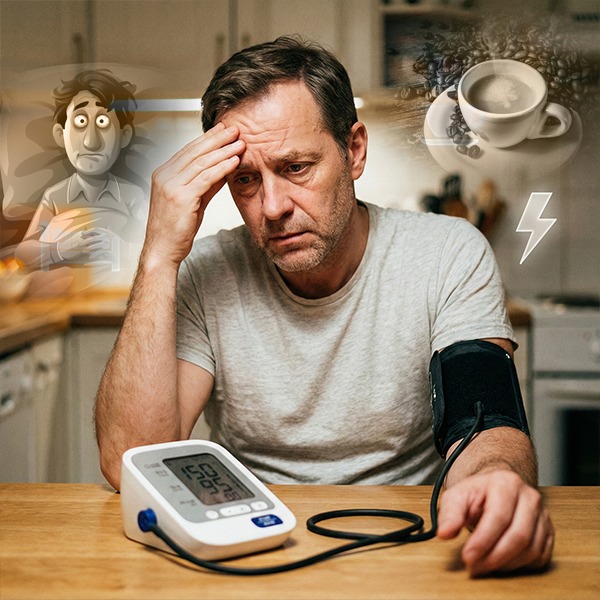
In today’s world, where digital monitors are easily available, many people check their blood pressure frequently — sometimes several times a day.This has benefits, but it also creates a new kind of anxiety. A single higher reading often leads to:
- Repeated measurements within minutes
- Comparing readings from different devices
- Searching online for explanations
- Worrying about “sudden hypertension”
What is often missed is that blood pressure is highly sensitive to context. Two readings taken minutes apart can be different — not because something is wrong, but because the body has changed state. Understanding what influences these changes is the key to interpreting blood pressure correctly.
Most people assume blood pressure depends only on the heart and blood vessels. In reality, it reflects the interaction of multiple systems — including the nervous system, hormones, kidneys, and even psychological state. Here are some of the most common factors that influence blood pressure readings in everyday life.
Even mild stress can raise blood pressure significantly. A difficult conversation, anticipation of a medical test, or even focusing too much on the reading itself can trigger a temporary rise. This is one reason why blood pressure is often higher in clinical settings.
Poor sleep — especially fragmented or inadequate sleep — can lead to higher blood pressure during the day. In some individuals, blood pressure also fails to drop at night, which is an important marker of increased cardiovascular risk. Sleep is not just rest. It is a regulatory phase for the cardiovascular system.
Caffeine can raise blood pressure for up to an hour or more after consumption. Nicotine has a similar effect, causing transient increases in heart rate and blood pressure. If readings are taken soon after tea, coffee, or smoking, they may not reflect baseline values.
Measuring blood pressure immediately after walking, climbing stairs, or exercising can give artificially high readings. The body is simply responding to increased demand. For accurate assessment, measurements should be taken after a few minutes of rest.
This is one of the most underestimated factors. Small errors can lead to significant differences:
- Sitting without back support
- Feet not placed flat on the ground
- Arm not supported at heart level
- Talking during the measurement
- Incorrect cuff size
Each of these can alter readings by 5 to 15 mmHg or more.
Blood pressure follows a natural daily rhythm. It tends to be:
- Lower during sleep
- Rising in the early morning
- Variable during the day depending on activity
This is why comparing readings taken at different times without context can be misleading.
Some variation in blood pressure is entirely expected. But not all variability is harmless. Patterns that may require closer evaluation include:
- Consistently high readings across multiple days
- Significant variability without clear triggers
- Elevated readings during sleep
- Symptoms such as dizziness, headaches, or palpitations
In such situations, structured monitoring — sometimes including 24-hour ambulatory blood pressure monitoring (ABPM) — helps provide clarity.
One of the unintended consequences of frequent monitoring is overinterpretation. A single elevated reading can lead to unnecessary worry. Repeated checking can amplify anxiety — which in turn raises blood pressure further. This creates a cycle that is more psychological than physiological. The goal of monitoring should not be to chase perfect numbers. It should be to understand patterns over time.
Instead of asking: “Why is my BP high today?”, It is often more useful to ask: “What was happening around the time I measured it?”
- Was I stressed?
- Had I just had coffee?
- Was I physically active?
- Did I sleep well the previous night?
This shift in thinking changes blood pressure from a source of anxiety into a tool for understanding the body.
Blood pressure is not a static value waiting to be measured. It is a reflection of how the body is interacting with its internal and external environment — moment by moment. Fluctuations are part of that conversation. The key is not to eliminate them, but to interpret them correctly. One reading may raise a question. But patterns provide the answer.
Dr. Ameya Amonkar
Interventional Cardiologist
Founder, HG Cardiowise