

Blood pressure is probably the most frequently measured number in healthcare. It is checked in clinics, pharmacies, gyms, corporate health camps, and increasingly in homes through digital monitors. Entire conversations about health often begin and end with these two numbers. Yet despite being measured so often, blood pressure remains one of the most misunderstood indicators of cardiovascular health.
Patients often view it as a verdict. If the reading is normal, there is relief. If it is elevated, anxiety follows immediately. But physicians rarely interpret blood pressure this way. Because in reality, a single reading tells us surprisingly little.
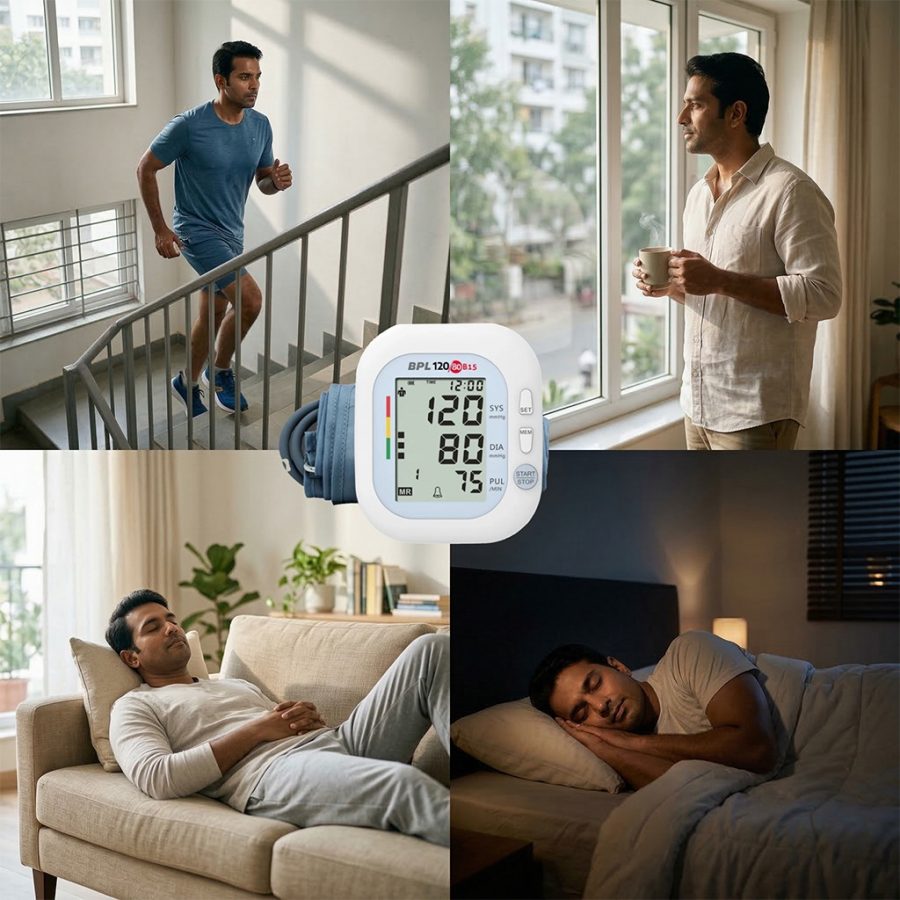
Blood pressure changes constantly throughout the day. It rises when you climb stairs. It rises during emotional stress. It rises when you speak, think intensely, or drink coffee. It falls during sleep. It falls during relaxation. It falls when the body shifts into a calm physiological state. In fact, healthy blood pressure is supposed to fluctuate.
These moment-to-moment adjustments are part of the body’s remarkable ability to maintain circulation to vital organs. The nervous system, hormones, kidneys, and blood vessels all participate in this delicate regulation. If blood pressure never changed, that would actually signal a problem with the body’s control systems. This is why cardiologists rarely diagnose hypertension based on a single measurement. Instead, we look for patterns over time.
Consider a familiar situation. A person measures their blood pressure at a busy general practitioner’s clinic. The reading shows 150/92. Naturally, concern follows. Later that evening, they check it again at home after sitting quietly for a few minutes. The reading is 124/80. Which one is correct? In many cases, both are correct — they simply reflect different physiological states.
Stress, noise, conversation, posture, and even the anticipation of the measurement itself can temporarily elevate blood pressure. Physicians sometimes refer to this as white coat hypertension, where readings are higher in medical environments than at home.
The opposite situation can also occur. Some individuals show normal readings in clinics but higher pressures during daily life — a phenomenon known as masked hypertension. Without looking at patterns, it is easy to misinterpret what the numbers truly mean.
When cardiologists evaluate blood pressure carefully, we pay attention to several patterns that are invisible in a single reading.
1. Average blood pressure over days or weeks
Repeated measurements provide a far more reliable picture than a single reading.
2. Blood pressure during sleep
During healthy sleep, blood pressure should normally fall by about 10–20 percent. When this night-time drop does not occur, cardiovascular risk may increase.
3. Morning surges
Some individuals experience a sharp rise in blood pressure in the early morning hours. This is one reason heart attacks and strokes often occur shortly after waking.
4. Variability
Large swings between readings may suggest stress, poor sleep, excessive salt intake, or underlying vascular changes.
These patterns help physicians understand not just the numbers themselves, but how the cardiovascular system behaves over time.
The increasing availability of reliable home blood pressure monitors has quietly transformed the way hypertension is managed. Instead of relying only on occasional clinic measurements, patients can now track blood pressure in a familiar and relaxed environment. Home monitoring often reveals trends that would otherwise remain hidden.
Some patients discover their blood pressure is consistently normal outside the clinic. Others learn that their readings fluctuate depending on sleep, stress, caffeine intake, or physical activity. When interpreted properly, these measurements allow physicians to make far more accurate decisions about treatment.
But the key word here is properly. The technique used to measure blood pressure — posture, timing, cuff placement, and even conversation — can influence the result. Without correct technique, home monitoring can create confusion rather than clarity.
Another important principle is that blood pressure never exists in isolation. Cardiologists evaluate it alongside the broader context of a person’s health. Age, cholesterol levels, diabetes, kidney function, smoking history, body weight, sleep patterns, and physical activity all influence how blood pressure affects long-term cardiovascular risk.
Two individuals with identical blood pressure readings may face very different levels of risk depending on these factors. This is why modern hypertension management increasingly focuses on individual risk profiles, rather than rigidly applying the same threshold to everyone.
For patients, the takeaway is reassuring but important. Blood pressure is not something to interpret based on a single reading or an occasional measurement at a blood donation camp. It is a signal — one piece of information within a much larger physiological picture. When measured carefully and observed over time, blood pressure provides valuable insight into the health of the heart, arteries, kidneys, and nervous system. But when taken out of context, it can easily mislead.
In medicine, the most important insights often come not from isolated data points but from patterns that emerge over time. Blood pressure is no different. One number captures a moment. Patterns reveal the truth. Understanding those patterns — and interpreting them in the context of the individual sitting in front of us — is how cardiologists truly understand blood pressure.
Dr. Ameya Amonkar
Interventional Cardiologist
Founder, HG Cardiowise