Exercises Beyond Walking for BP Control

Dr. Ameya Amonkar
Hypertension

Key Takeaways

Yoga, breathing exercises, and meditation reduce stress-related blood pressure elevation.
Aerobic activities such as cycling, swimming, dancing, badminton, and brisk walking provide the greatest BP benefits.

Strength training performed 2–3 times per week safely lowers resting blood pressure and improves muscle health.
Isometric handgrip exercises are an evidence-based addition that can further improve BP control.

Older adults and people with arthritis can benefit from chair yoga, resistance bands, and shorter exercise sessions.

Quick Summary
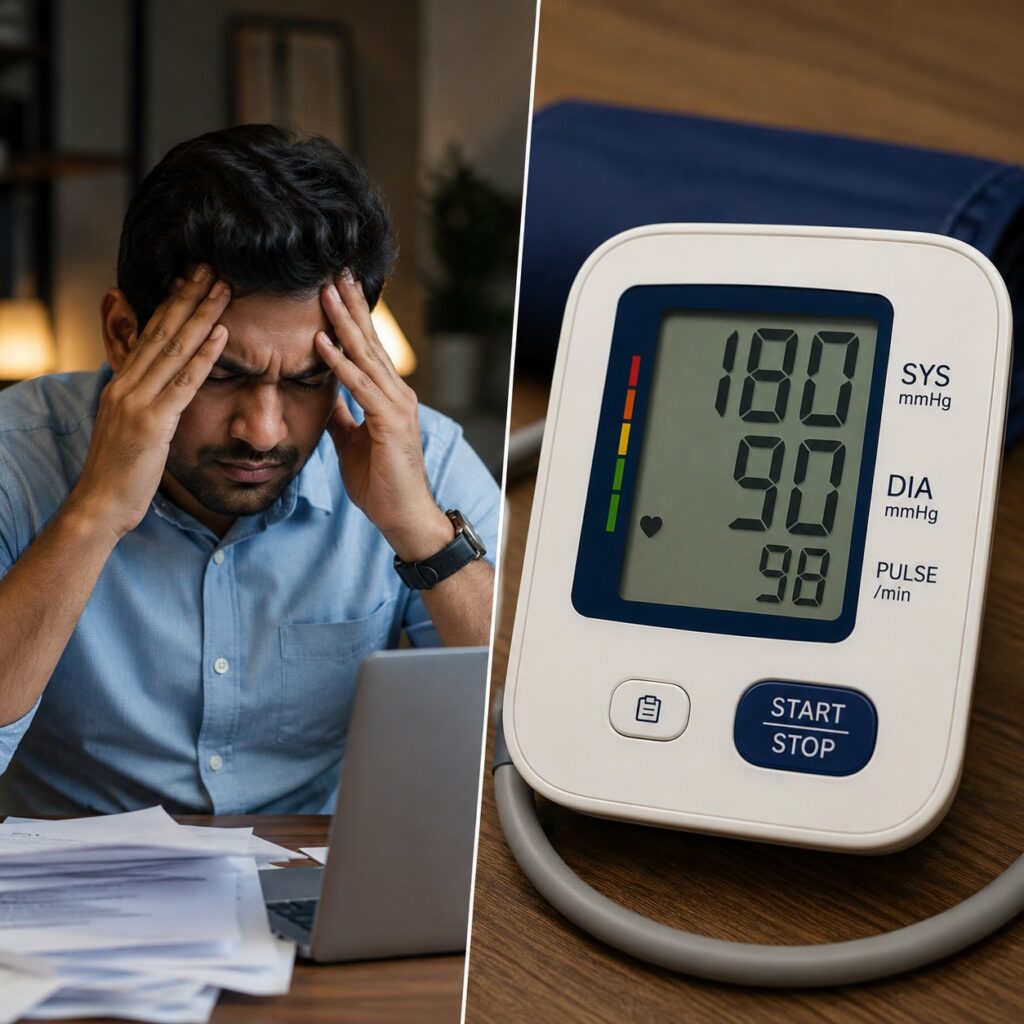
High blood pressure can often be improved with regular physical activity—but walking isn’t the only option. Scientific research shows that combining aerobic exercise, strength training, yoga, breathing exercises, and even isometric handgrip training can significantly lower blood pressure while improving heart health, fitness, stress levels, and overall wellbeing. The most effective exercise is one that you enjoy and can continue consistently. Whether you are young, elderly, diabetic, or living with hypertension, there are safe options suitable for every fitness level. This guide explains which exercises work best, how much exercise you need each week, important safety precautions, and how to build a balanced exercise routine that supports long-term blood pressure control.

Detailed Learning Guide

Best Exercises for High Blood Pressure: Walking Is Only the Beginning
Walking is one of the simplest and most effective ways to lower blood pressure, but it is far from the only exercise that benefits your heart.

Exercise improves blood pressure through several mechanisms. Regular physical activity makes blood vessels more flexible, improves the function of the inner lining of arteries (the endothelium), reduces stress hormones, improves insulin sensitivity, assists with weight management, and strengthens the heart muscle.

For most people with hypertension, regular exercise can lower systolic blood pressure by approximately 5–8 mmHg. These improvements are often accompanied by better sleep, improved energy levels, enhanced mood, and a lower risk of heart attack and stroke.

Rather than depending on a single activity, the best long-term strategy is to include different forms of exercise that improve cardiovascular fitness, muscle strength, flexibility, and stress management.

Aerobic Exercise: The Foundation of Blood Pressure Control
Aerobic exercise remains the cornerstone of any blood pressure management programme.

Any activity that raises your heart rate continuously for several minutes qualifies as aerobic exercise. Besides brisk walking, excellent options include cycling, swimming, dancing, skipping rope, jogging, badminton, and low-impact aerobic classes.

Research consistently demonstrates that regular aerobic exercise can lower systolic blood pressure by approximately 6–9 mmHg in many individuals with hypertension.

Cycling provides excellent cardiovascular conditioning while placing less stress on the knees than running. Swimming is particularly beneficial for older adults and people with joint pain because it combines aerobic exercise with minimal impact on the joints. Dancing, whether it is Zumba, Garba, Bhangra, or simply dancing at family celebrations, combines physical activity with enjoyment and stress reduction, making it easier to stay consistent.

Aim for at least 150 minutes of moderate-intensity aerobic activity every week, which can be divided into 30-minute sessions five days a week or even shorter 10–15 minute sessions throughout the day.

Why Strength Training Also Lowers Blood Pressure
Many people worry that lifting weights is unsafe if they have high blood pressure. While blood pressure temporarily rises during a lift, regular resistance training actually lowers resting blood pressure over time.

Strength training improves muscle mass, insulin sensitivity, metabolic health, and vascular function. Healthier muscles also make everyday activities—such as climbing stairs, carrying groceries, or lifting children—much easier.

Studies have shown that resistance training can reduce systolic blood pressure by around 4–5 mmHg when performed regularly.

Beginners do not need heavy gym equipment. Bodyweight exercises, resistance bands, light dumbbells, water bottles, chair sit-to-stands, wall push-ups, and squats are all effective.

A good goal is 2–3 sessions per week, targeting all major muscle groups. One important precaution is to avoid holding your breath while lifting, as this can cause a temporary spike in blood pressure. People with severely uncontrolled hypertension should first work with their doctor to achieve better BP control before beginning resistance training.

Yoga, Pranayama and Meditation: Calming the Mind to Protect the Heart
Stress is one of the major contributors to high blood pressure, and this is where yoga offers unique advantages.

Yoga helps activate the parasympathetic nervous system—the body’s natural relaxation response—while reducing the activity of stress hormones such as adrenaline. This leads to improved vascular relaxation and lower blood pressure.

Evidence suggests that slow breathing exercises such as Anulom Vilom, Bhramari, and diaphragmatic breathing can lower systolic blood pressure by approximately 4–7 mmHg. Gentle yoga postures combined with regular meditation provide additional cardiovascular benefits by improving sleep, reducing anxiety, and enhancing emotional wellbeing.

Unlike high-intensity workouts, yoga can be adapted for nearly every age group. Whether you are a young professional dealing with workplace stress or an elderly person managing hypertension, appropriately modified yoga can become a valuable part of your routine.

People with uncontrolled hypertension should avoid advanced inverted poses such as headstands unless specifically advised by a qualified instructor and their physician.

Isometric Handgrip Training: A Small Exercise with Big Benefits
One of the lesser-known but increasingly researched methods for lowering blood pressure is isometric handgrip training.

This exercise involves squeezing a handgrip device at approximately 30% of your maximum strength and holding the contraction for two minutes, followed by a short rest. Four repetitions are typically performed, three times per week.

Recent scientific evidence suggests that regular handgrip training may lower systolic blood pressure by as much as 5–10 mmHg in some individuals by improving vascular function and autonomic nervous system regulation.

Handgrip training is inexpensive, easy to perform at home, and suitable for many older adults. However, it should complement—not replace—aerobic exercise and strength training. Individuals with very poorly controlled hypertension should consult their doctor before beginning this programme.

Exercise Recommendations for Older Adults and People with Joint Problems
Not everyone needs to run marathons to improve heart health.

Older adults, people with arthritis, and individuals recovering from illness can safely improve blood pressure using lower-impact activities.

Chair yoga, resistance band exercises, short walks after meals, gentle stretching, water-based exercise, and light gardening all contribute to better cardiovascular health. Even daily household activities can help if performed regularly and at moderate intensity.

When exercising, remember these safety principles:

  • Exercise at an intensity where you can comfortably talk but not sing.
  • Stop immediately if you develop chest pain, severe breathlessness, dizziness, or fainting.
  • Stay well hydrated, especially during hot weather.
  • Increase activity gradually rather than trying to do too much too soon.
  • Monitor your blood pressure regularly, particularly when beginning a new exercise programme.

The goal is lifelong consistency rather than occasional intense workouts.

Building the Ideal Weekly Exercise Plan for Blood Pressure
The most effective exercise programme combines different forms of activity throughout the week.

A balanced weekly plan might include:

  • 150 minutes of aerobic exercise
  • 2–3 strength training sessions
  • Yoga or breathing exercises several days each week
  • Optional handgrip training three times weekly
  • Daily movement with minimal prolonged sitting

Think of exercise as a balanced Indian thali. Aerobic exercise forms the main meal, strength training provides important support, yoga helps manage stress, and handgrip exercises serve as an additional evidence-based supplement.

The best routine is not the most complicated one—it is the one you can continue for years.

Frequently Asked Questions

Can exercise really reduce blood pressure without medication?
Yes. Regular exercise can lower blood pressure by approximately 5–8 mmHg. However, people with significant hypertension should never stop prescribed medication without consulting their doctor.

Which exercise lowers blood pressure the fastest?
Moderate-intensity aerobic exercise such as brisk walking, cycling, or swimming has the strongest evidence for reducing blood pressure over time.

Is weight lifting safe if I have hypertension?
Yes, for most people with well-controlled blood pressure. Use lighter weights, breathe normally, avoid maximal lifts, and follow medical advice if your BP is very high.

Can yoga replace blood pressure medicines?
No. Yoga is an excellent supportive therapy but should not replace prescribed medication unless your doctor advises otherwise after careful monitoring.

How much exercise should I do each week?
Aim for at least 150 minutes of moderate aerobic exercise plus 2–3 strength training sessions every week.

What is isometric handgrip training?
It is an exercise involving sustained squeezing of a handgrip device. Research suggests it may significantly improve blood pressure when combined with regular exercise.

Can elderly people safely exercise with hypertension?
Yes. Chair yoga, resistance bands, walking, and gentle stretching are excellent options when performed safely and gradually.

Medical Disclaimer
The information provided by HG Cardiowise is intended for educational purposes only and should not replace personalised medical advice, diagnosis, or treatment. Always consult your physician or qualified healthcare professional before starting a new exercise programme, especially if you have uncontrolled hypertension, heart disease, diabetes, or other chronic medical conditions. Never stop or change prescribed medications without discussing it with your healthcare provider.

Downloadable Resource

Blood Pressure Exercise Planner

8 Pages-PDF
Build a personalised weekly exercise routine using our easy-to-follow planner that combines cardio, strength training, yoga, and flexibility exercises for better blood pressure control.

Who Should Watch This Video?

People looking to reduce BP naturally

Patients starting an exercise programme

Individuals with diabetes or obesity

Family members supporting someone with hypertension

Related Videos

New videos every week!

Subscribe to get heart health tips and new videos straight to your inbox.

✉ Subscribe Now

New to Cardiowise?

Start your journey to a healthier heart with trusted videos, expert tips and practical guidance.

▷ Explore Now
Scroll to Top