


Do You Really Need Cholesterol Medicines?

Watch Time 10 Min
Risk Factors

Key Takeaways

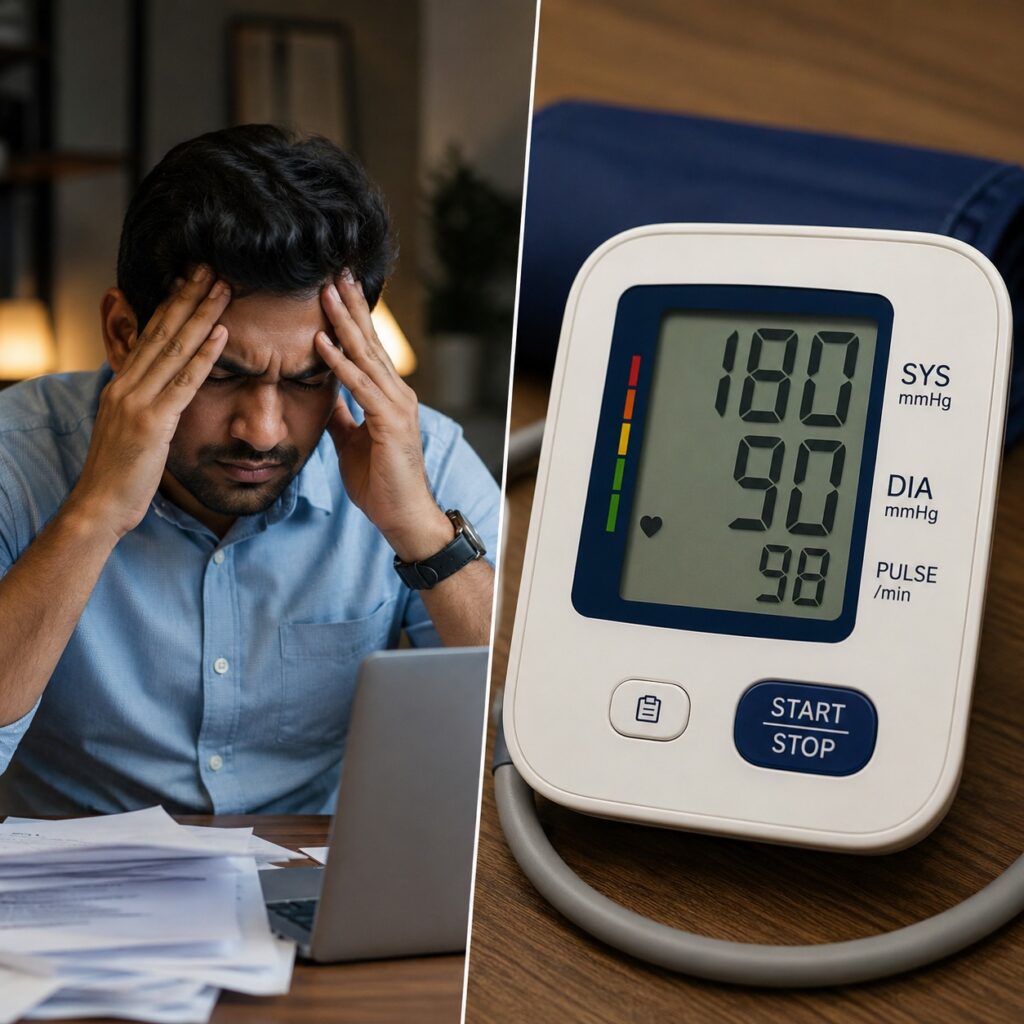
Diabetes, high blood pressure, smoking, family history and previous cardiovascular disease can increase the need for treatment.
People with established heart disease or very high LDL cholesterol may benefit significantly from cholesterol-lowering medicines.
A heart-healthy diet, regular exercise, healthy weight and avoiding tobacco remain important whether or not medication is prescribed.
Statins are among the most widely used cholesterol medicines and have strong evidence for reducing heart attack and stroke risk.
Never start, stop or change cholesterol medication without discussing it with your healthcare professional.

Quick Summery

Not everyone with high cholesterol automatically needs medication. The decision to start cholesterol-lowering treatment depends on more than a single cholesterol number. Doctors consider LDL cholesterol levels along with factors such as age, diabetes, blood pressure, smoking, family history and whether someone has already had a heart attack, stroke or other cardiovascular disease. For some people, lifestyle changes—including a heart-healthy diet, regular physical activity, weight management and avoiding tobacco—may be an important first step.

For others, particularly those at higher cardiovascular risk or with very high LDL levels, medication may provide substantial protection against future heart attacks and strokes. Statins are commonly used because they have strong evidence for reducing cardiovascular risk. The right treatment plan should be individualized and reviewed regularly with a healthcare professional.

Downloadable Resource

Cholesterol & Heart Risk Guide

8 Pages-PDF
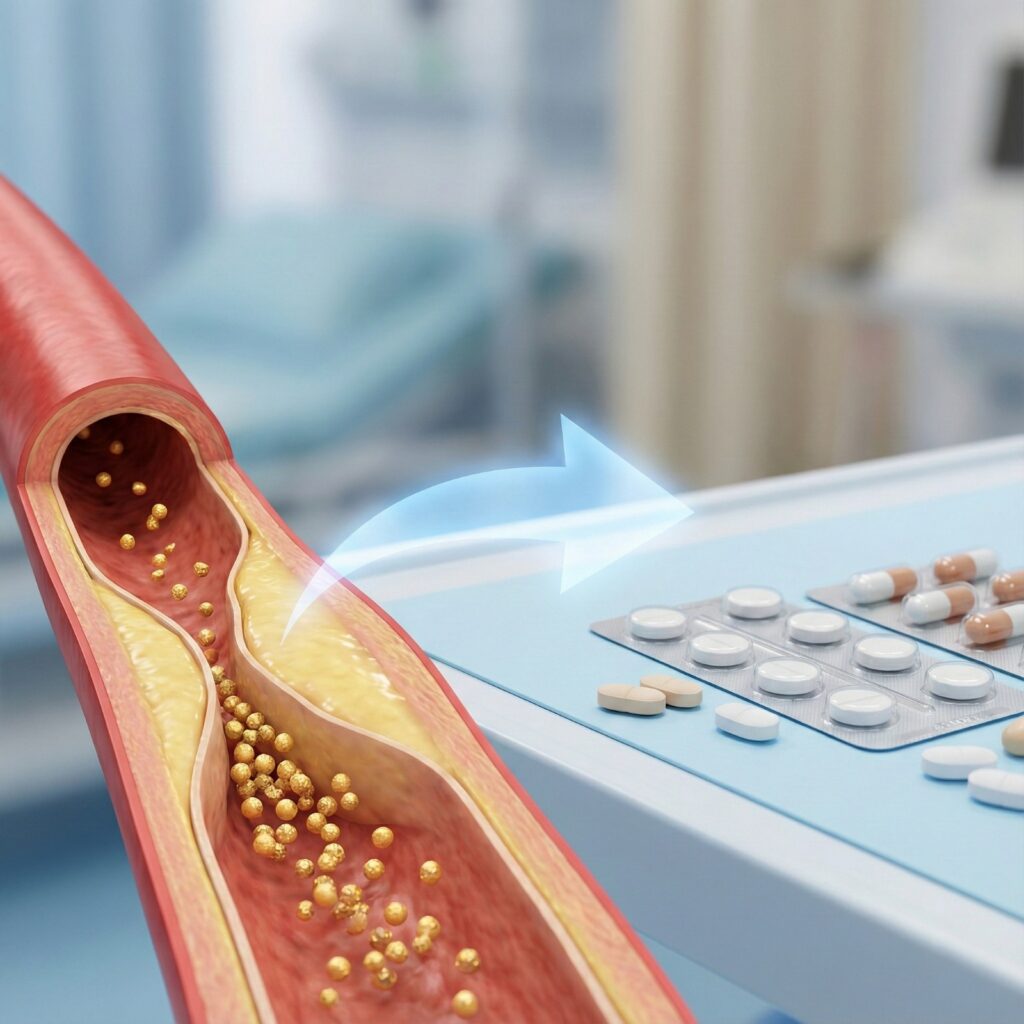
Understand LDL cholesterol, cardiovascular risk and when lifestyle changes or cholesterol medicines may be part of a heart-protection plan.

Who Should Watch This Video?

Anyone who has been prescribed or is considering cholesterol-lowering medication.
Individuals with diabetes, high blood pressure or other cardiovascular risk factors.
People with a family history of high cholesterol or premature heart disease.
Anyone with a previous heart attack, stroke or other cardiovascular disease.

Related Videos

New videos every week!

Subscribe to get heart health tips and new videos straight to your inbox.

✉ Subscribe Now
✉

New to Cardiowise?

Start your journey to a healthier heart with trusted videos, expert tips and practical guidance.

▷ Explore Now
▻
Scroll to Top