




QUICK SUMMARY
Salt has long been blamed as a major cause of high blood pressure, but the real story is more nuanced. The sodium present in salt can increase blood pressure by causing the body to retain water, increasing blood volume and placing additional strain on blood vessels. However, not everyone responds to salt in the same way. Many individuals, especially older adults, people with diabetes, kidney disease, or a family history of hypertension, may be salt-sensitive and experience a greater rise in blood pressure from sodium intake.
In India, average salt consumption is nearly double the amount recommended by the World Health Organization. Combined with a higher prevalence of salt sensitivity, this contributes significantly to rising rates of hypertension and cardiovascular disease. Understanding your personal risk and making informed dietary choices can play an important role in protecting heart health.
DETAILED LEARNING GUIDE
Understanding the Connection Between Salt and Blood Pressure
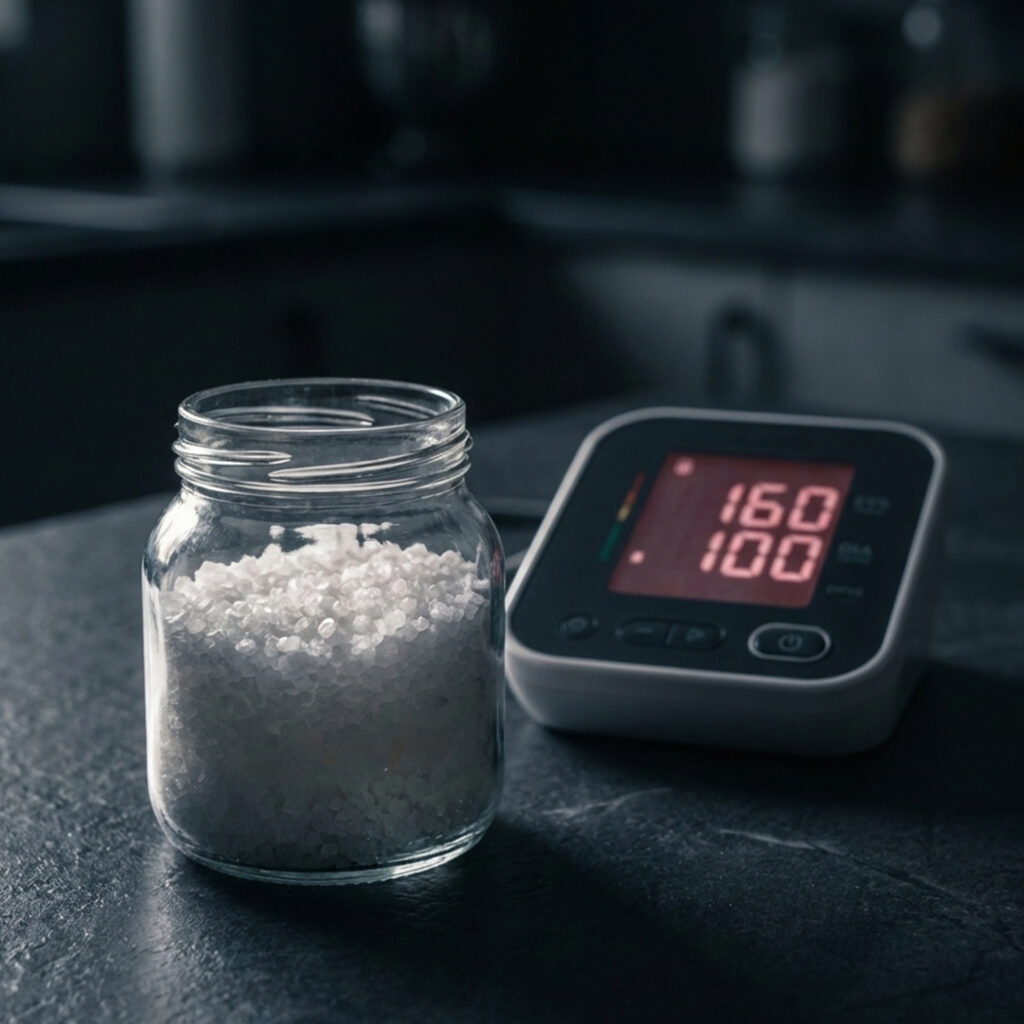
Salt contains sodium, a mineral that plays an important role in maintaining fluid balance and nerve function. However, when consumed in excess, sodium causes the body to retain water. This additional fluid increases the volume of blood circulating through blood vessels, forcing the heart to work harder and increasing pressure within the arteries.
Over time, persistently elevated blood pressure can damage blood vessel walls, promote arterial stiffness, and increase the risk of heart attack, stroke, heart failure, and kidney disease. While sodium is not the only factor influencing blood pressure, it remains one of the most important dietary contributors that can be modified through lifestyle changes.
What Does the Scientific Evidence Show?
Decades of research support the relationship between sodium intake and blood pressure. Large population studies, including the INTERSALT Study, demonstrated a direct association between higher sodium consumption and higher average blood pressure levels across different populations.
Similarly, the DASH-Sodium Trial showed that reducing sodium intake, particularly when combined with a heart-healthy eating pattern, produced meaningful reductions in blood pressure. These effects were especially pronounced in individuals who already had hypertension.
Research has also shown that even modest increases in blood pressure can significantly increase the risk of cardiovascular events. Therefore, reducing excessive sodium intake remains an important public health strategy for preventing heart disease and stroke.
What Is Salt Sensitivity?
Not everyone experiences the same blood pressure response to sodium. Some individuals are considered “salt-sensitive,” meaning their blood pressure rises significantly when sodium intake increases.
Salt sensitivity is influenced by genetics, age, kidney function, diabetes, obesity, and vascular health. In these individuals, the kidneys may struggle to efficiently remove excess sodium, leading to greater fluid retention and higher blood pressure.
Studies suggest that salt sensitivity is relatively common among South Asians, making sodium reduction particularly important for many Indian patients. Individuals with diabetes, kidney disease, or a strong family history of hypertension are often at greater risk.
Why Salt Matters More for Indians
The World Health Organization recommends limiting salt intake to less than 5 grams per day, roughly one teaspoon. However, many Indians consume between 9 and 11 grams daily.
Traditional dietary habits contribute significantly to this excess intake. Common foods such as pickles, papads, farsan, packaged snacks, instant noodles, sauces, bakery products, and processed foods contain surprisingly high amounts of sodium.
Many people focus only on the salt added during cooking, overlooking hidden sodium found in packaged and processed foods. As urbanization and convenience foods become more common, sodium consumption continues to rise across both rural and urban India.
Hidden Sources of Sodium in Everyday Foods
One of the challenges in controlling sodium intake is that much of it comes from unexpected sources. Packaged foods often contain sodium for flavor enhancement and preservation.
Examples include:
- Pickles and chutneys
- Papad
- Namkeen and farsan
- Instant noodles
- Packaged soups
- Bread and bakery products
- Biscuits and crackers
- Breakfast cereals
- Sauces and ketchup
Reading nutrition labels can help identify hidden sodium. Remember that sodium values listed on food labels may appear small individually but can quickly add up throughout the day.
Health Effects Beyond Blood Pressure
Excessive salt consumption affects more than just blood pressure. High sodium intake has been linked to an increased risk of cardiovascular disease, kidney disease, and heart failure.
Emerging evidence also suggests associations between high-salt diets and stomach cancer, particularly in populations that consume large amounts of pickled or preserved foods. In addition, excessive sodium intake may contribute to increased calcium loss through the urine, potentially affecting bone health over time.
Reducing sodium intake therefore offers benefits that extend well beyond hypertension prevention.
Practical Strategies to Reduce Sodium Intake
Reducing sodium does not mean eating bland food. Instead, it involves making smarter choices and using alternative flavor enhancers.
Practical strategies include:
- Limit packaged and processed foods.
- Reduce consumption of pickles, papads, and salty snacks.
- Taste food before automatically adding extra salt.
- Use herbs, spices, lemon, garlic, ginger, and fresh ingredients for flavor.
- Compare nutrition labels and choose lower-sodium products.
- Cook more meals at home where sodium content can be controlled.
Small changes practiced consistently can lead to meaningful improvements in blood pressure and overall cardiovascular health.
FREQUENTLY ASKED QUESTIONS
Does eating salt always cause high blood pressure?
Not necessarily. While excess sodium can increase blood pressure, individual responses vary. Some people are more salt-sensitive than others.
How much salt should I consume daily?
The World Health Organization recommends less than 5 grams of salt per day, equivalent to approximately one teaspoon.
What is salt sensitivity?
Salt sensitivity refers to a condition in which blood pressure rises significantly in response to increased sodium intake.
Are Indians more salt-sensitive?
Research suggests that many South Asians may have a higher prevalence of salt sensitivity, particularly those with diabetes, obesity, or hypertension.
Is sea salt or Himalayan pink salt healthier?
These salts still contain sodium and can raise blood pressure similarly to regular table salt when consumed in excess.
Which foods contain hidden sodium?
Processed snacks, pickles, papads, instant noodles, sauces, breads, biscuits, and packaged foods often contain significant amounts of sodium.
Can lowering salt reduce blood pressure?
Yes. Numerous studies have shown that reducing sodium intake can lower blood pressure, particularly in individuals with hypertension.
MEDICAL DISCLAIMER
This content is intended for educational and informational purposes only and should not be considered medical advice. The information provided does not replace consultation with a qualified healthcare professional. Individual health conditions vary, and treatment decisions should always be made in consultation with your doctor. If you have concerns about your blood pressure, medications, or cardiovascular health, please seek professional medical advice.