Exercise Mistakes to Avoid in High BP

Dr. Ameya Amonkar
Hindi

Key Takeaways

Moderate resistance training is safe for most people with controlled hypertension when performed correctly.
High-intensity workouts should be introduced gradually and only after building a strong aerobic foundation.
Gentle yoga and slow breathing techniques help lower stress and support healthy blood pressure.
Adventure sports and high-altitude activities require additional precautions for people with hypertension.
Safe exercise is about consistency, proper technique, and progression—not maximum intensity.

QUICK SUMMARY
Exercise is one of the most effective ways to lower blood pressure over time, but not every workout is equally safe for people with hypertension. During heavy weightlifting, breath-holding, high-intensity interval training (HIIT), or certain yoga postures, blood pressure can rise sharply for a short period. While healthy individuals usually tolerate these temporary increases, people with uncontrolled hypertension, heart disease, or vascular conditions may be at greater risk.

The good news is that you do not need to avoid exercise. By choosing appropriate intensity, breathing correctly, progressing gradually, and selecting heart-friendly activities such as brisk walking, cycling, moderate resistance training, and gentle yoga, you can gain all the cardiovascular benefits while minimizing unnecessary blood pressure spikes. Understanding how your body responds during exercise helps you train smarter and protect your heart.
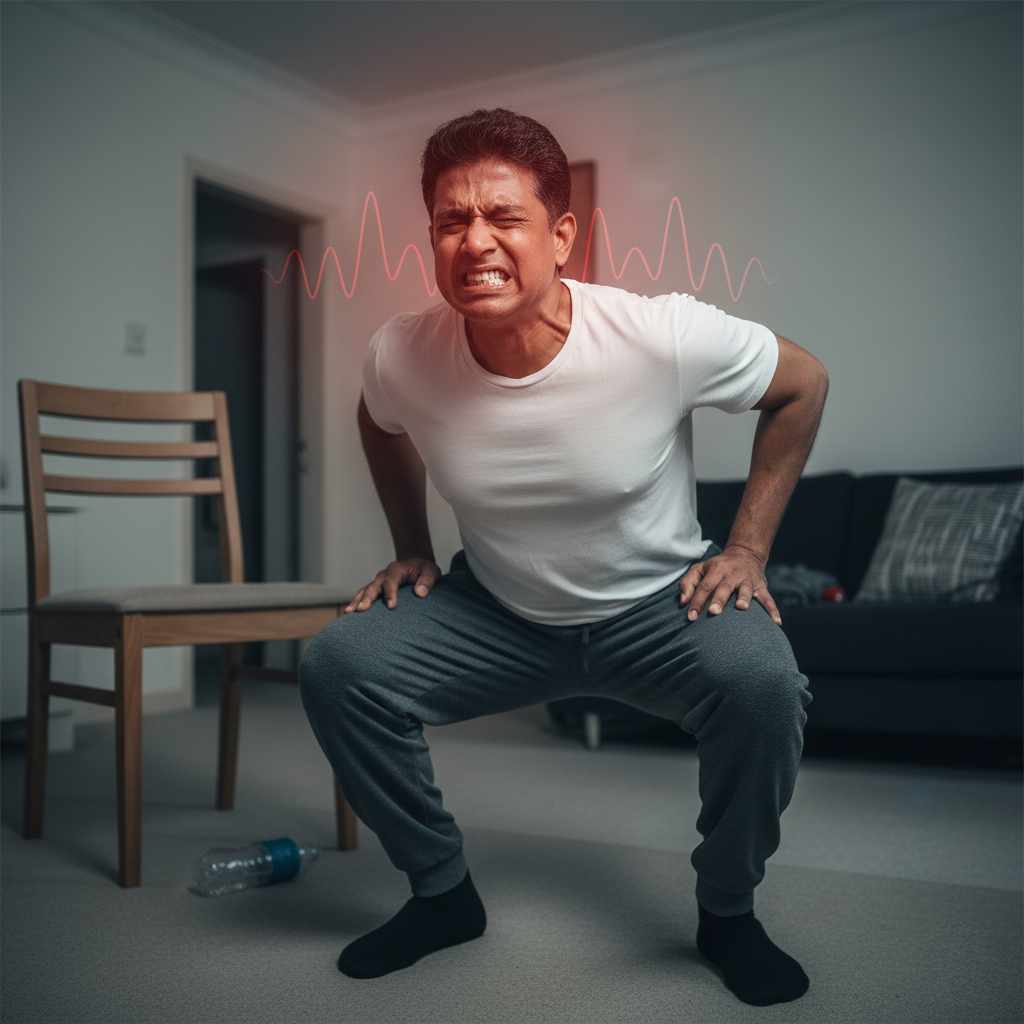

DETAILED LEARNING GUIDE

Why Can Blood Pressure Rise During Exercise?
Exercise is often recommended as one of the best non-drug treatments for high blood pressure. Regular physical activity strengthens the heart, improves blood vessel function, reduces stress, and helps lower resting blood pressure over time.

However, during exercise itself, blood pressure naturally increases because the muscles demand more oxygen and nutrients. The heart pumps harder and faster to meet these demands.

Certain activities—especially heavy resistance exercises—can cause much larger temporary increases than moderate aerobic exercise. These short-lived rises are usually well tolerated by healthy individuals, but they deserve attention in people with hypertension, heart enlargement, aneurysms, or other cardiovascular conditions.

Understanding the difference between a normal temporary rise and an unnecessarily excessive spike allows you to exercise safely without avoiding physical activity altogether.

Heavy Weightlifting: Why Technique Matters More Than the Weight
Resistance training offers numerous health benefits. It builds muscle, improves insulin sensitivity, strengthens bones, and contributes to long-term blood pressure reduction.

The problem occurs when heavy lifting is combined with poor breathing technique.

Many people instinctively hold their breath while pushing heavy weights—a phenomenon known as the Valsalva manoeuvre. This increases pressure inside the chest, temporarily reduces blood return to the heart, and can cause blood pressure to rise dramatically during the lift.

Using excessively heavy weights, rushing repetitions, or lifting to failure further increases cardiovascular stress.

Instead of avoiding strength training, most people with controlled hypertension should:

  • Use light to moderate weights
  • Perform 10–15 controlled repetitions
  • Exhale during the lifting phase
  • Inhale while lowering the weight
  • Rest adequately between sets
  • Focus on proper form rather than maximum load

Done correctly, resistance training becomes a valuable part of blood pressure management.

Is HIIT Safe If You Have High Blood Pressure?
High-Intensity Interval Training (HIIT) has become increasingly popular because it improves fitness in relatively short workouts.

HIIT alternates brief bursts of near-maximal effort with short recovery periods. During these intense intervals, heart rate and blood pressure rise rapidly.

For healthy, conditioned individuals, these changes are usually well tolerated. However, someone with uncontrolled hypertension, poor cardiovascular fitness, or underlying heart disease may not respond as safely.

Moderate aerobic exercise remains the foundation of blood pressure management. Activities such as brisk walking, cycling, swimming, or low-impact aerobics consistently reduce blood pressure and improve heart health.

Once blood pressure is well controlled and overall fitness improves, carefully supervised higher-intensity exercise may become appropriate for selected individuals after medical evaluation.

Yoga and Breathing: Mostly Helpful, With Important Exceptions
Yoga combines movement, flexibility, breathing, and relaxation, making it one of the most effective lifestyle tools for reducing stress-related blood pressure elevation.

Gentle yoga practices improve parasympathetic activity, lower stress hormones, improve sleep, and support overall cardiovascular health.

However, not every yoga practice is equally suitable for people with hypertension.

Certain inverted postures—such as prolonged headstands or shoulder stands—may temporarily increase pressure within the head and eyes. Individuals with uncontrolled hypertension, glaucoma, retinal disease, or certain vascular conditions should avoid these poses unless specifically advised otherwise.

Similarly, forceful breathing exercises involving rapid or prolonged breath-holding are generally not recommended for uncontrolled hypertension.

Safer options include:

  • Slow diaphragmatic breathing
  • Anulom-Vilom (without breath retention)
  • Bhramari pranayama
  • Child’s Pose
  • Cat-Cow stretches
  • Gentle seated yoga
  • Relaxation in Shavasana

These techniques help calm the nervous system while supporting healthy blood pressure control.

Adventure Sports, High Altitude, and Hypertension
Adventure activities such as trekking, scuba diving, skiing, bungee jumping, or high-altitude travel place unique demands on the cardiovascular system.

Excitement, adrenaline, cold temperatures, and reduced oxygen availability all contribute to temporary increases in blood pressure.

For individuals whose blood pressure is already well controlled, many recreational activities remain possible with appropriate preparation.

Before planning strenuous adventure travel, it is advisable to:

  • Ensure blood pressure is consistently controlled.
  • Continue prescribed medications.
  • Stay well hydrated.
  • Carry a portable blood pressure monitor if travelling for extended periods.
  • Discuss high-altitude travel or extreme sports with your treating physician if you have heart disease, kidney disease, previous stroke, or aneurysms.

Preparation and medical clearance are often more important than the activity itself.

Building a Heart-Friendly Exercise Routine
The safest exercise programme is one that is sustainable, enjoyable, and progressive.

Most adults with hypertension benefit from combining aerobic exercise, moderate resistance training, flexibility work, and balance exercises throughout the week.

General principles include:

  • Begin slowly if you have been inactive.
  • Increase intensity gradually.
  • Avoid sudden maximal efforts.
  • Breathe continuously during exercise.
  • Warm up before workouts and cool down afterward.
  • Stop exercising and seek medical evaluation if you experience chest pain, severe breathlessness, dizziness, or fainting.

Exercise should challenge your cardiovascular system—but it should never overwhelm it.

With the right approach, regular physical activity remains one of the most powerful treatments for preventing heart attacks, strokes, kidney disease, and long-term complications of hypertension.

FREQUENTLY ASKED QUESTIONS

Can exercise temporarily raise blood pressure?
Yes. Blood pressure naturally rises during physical activity because the heart pumps more blood to working muscles. Certain activities, such as heavy lifting, may produce larger temporary increases.

Should people with hypertension avoid weightlifting?
No. Moderate resistance training is recommended for most individuals with controlled hypertension. The focus should be on proper breathing, lighter weights, and controlled movements rather than maximal lifting.

Is HIIT dangerous if I have high blood pressure?
Not necessarily. However, people with uncontrolled hypertension or underlying heart disease should first establish a foundation of moderate aerobic exercise before attempting high-intensity workouts.

Why is holding my breath while lifting risky?
Breath-holding (Valsalva manoeuvre) increases pressure inside the chest, which can cause significant temporary blood pressure spikes. Exhaling during exertion reduces this effect.

Which exercises are best for lowering blood pressure?
Brisk walking, cycling, swimming, moderate resistance training, yoga, and regular flexibility exercises have strong evidence for improving long-term blood pressure control.

Is yoga always safe for hypertension?
Most gentle yoga practices are beneficial. However, prolonged inverted postures and forceful breath-holding techniques may not be suitable for people with uncontrolled hypertension.

Can I go trekking if I have high blood pressure?
Yes, if your blood pressure is well controlled and your doctor considers you fit for the activity. Gradual ascent, hydration, and medication adherence are essential.

MEDICAL DISCLAIMER
The information provided on this page is intended for educational purposes only and should not replace professional medical advice, diagnosis, or treatment. Every individual’s health condition is different. Always consult your physician or qualified healthcare professional before starting a new exercise programme, especially if you have hypertension, heart disease, diabetes, kidney disease, or other chronic medical conditions. Never stop or change prescribed medications without medical guidance.

Downloadable Resource

Hypertension Exercise Safety Guide

8 Pages-PDF
Download our free practical guide to learn which exercises are safest for high blood pressure, how to monitor workout intensity, and common mistakes to avoid during exercise.

Who Should Watch This Video?

Individuals starting an exercise programme after age 40
People returning to exercise after a cardiac evaluation
Gym beginners with high blood pressure
Fitness enthusiasts who perform strength training or HIIT

Related Videos

New videos every week!

Subscribe to get heart health tips and new videos straight to your inbox.

✉ Subscribe Now

New to Cardiowise?

Start your journey to a healthier heart with trusted videos, expert tips and practical guidance.

▷ Explore Now
Scroll to Top