
Quick Summary
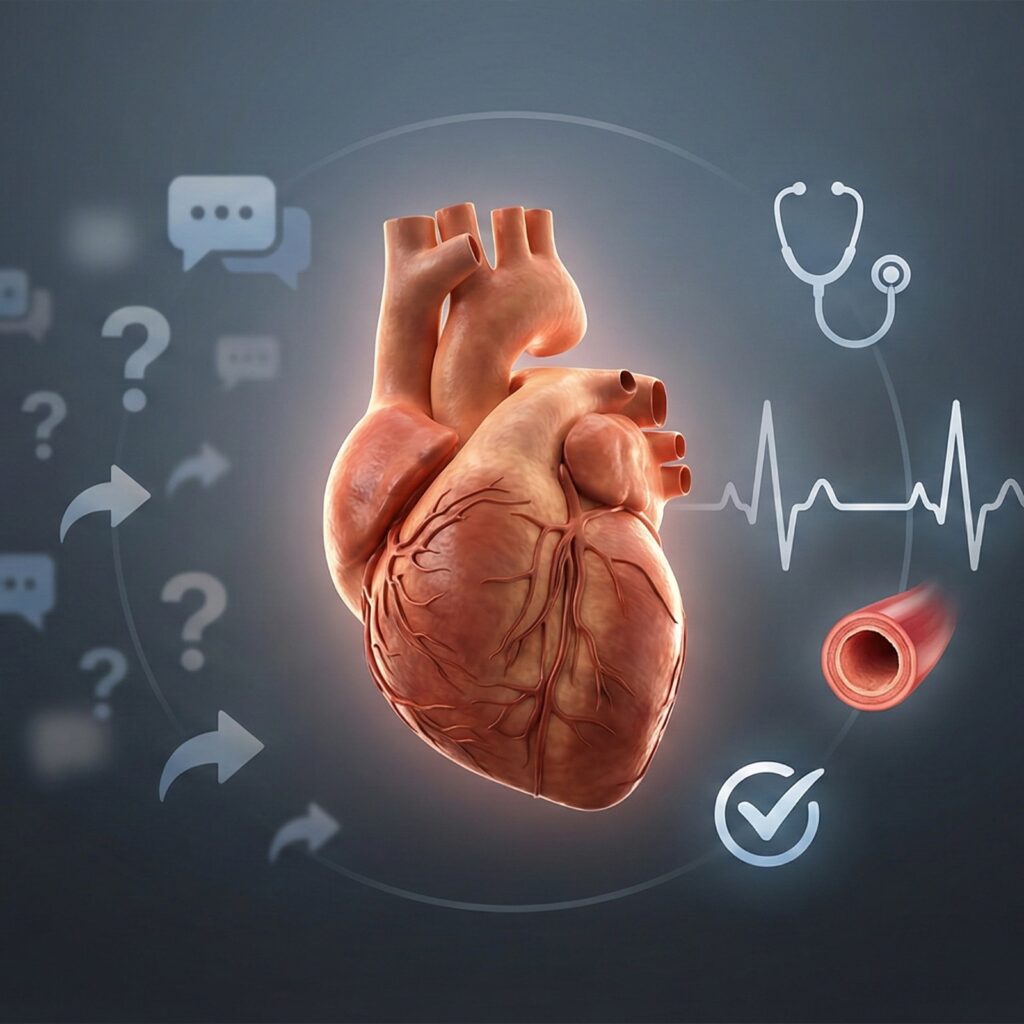
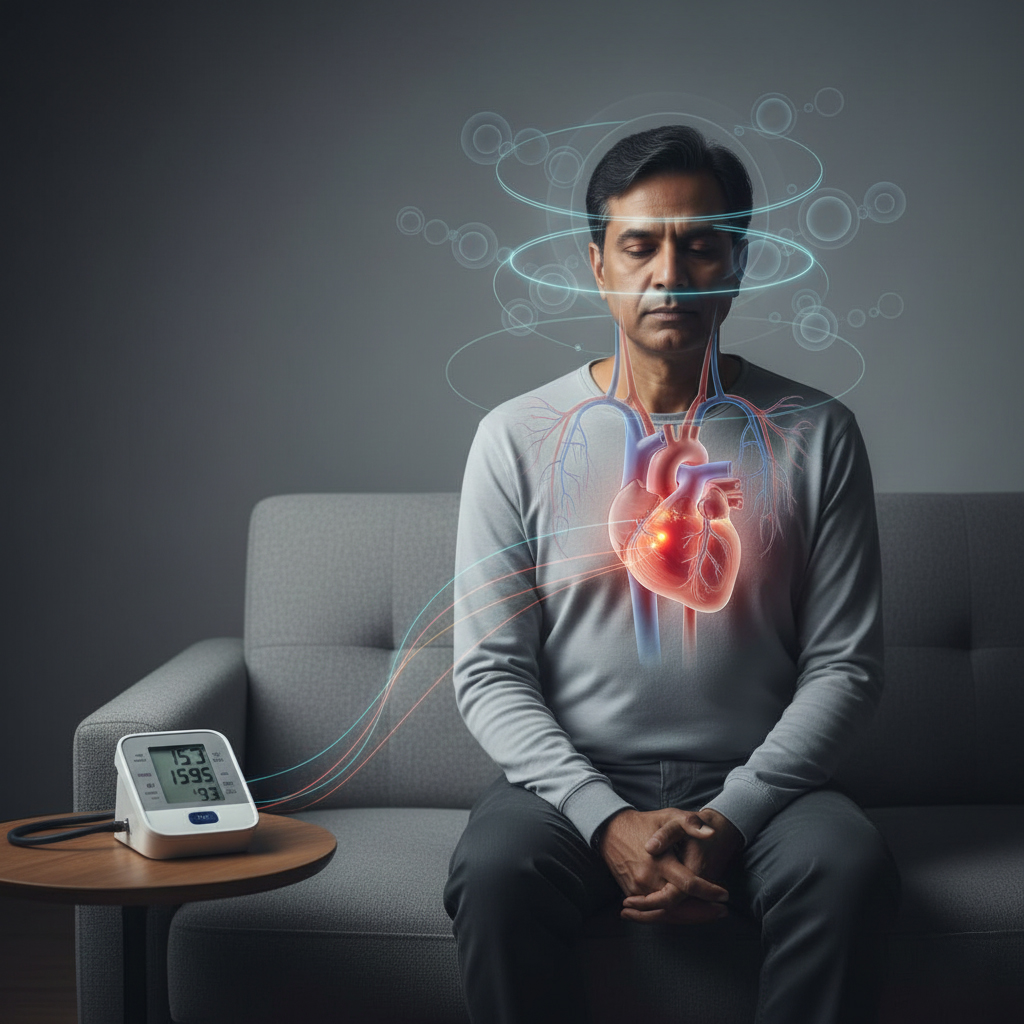
Stress is far more than an emotional experience—it triggers powerful biological changes that can temporarily or permanently increase blood pressure. When the brain perceives stress, it activates the body’s “fight-or-flight” response, releasing hormones such as adrenaline and cortisol. These hormones increase heart rate, tighten blood vessels, and encourage the kidneys to retain salt and water, all of which raise blood pressure.
While occasional stress responses are normal, chronic stress keeps this system switched on, preventing blood vessels from relaxing and contributing to long-term hypertension. Fortunately, simple lifestyle strategies—including slow breathing, mindfulness, regular physical activity, restorative sleep, healthy social connections, and stress management techniques—can significantly reduce blood pressure alongside medical treatment. Understanding how stress affects your cardiovascular system is the first step toward protecting both your heart and your overall well-being.
Detailed Learning Guide
Stress Is More Than an Emotion—It’s a Biological Response
Most people think stress exists only in the mind. In reality, stress immediately affects the cardiovascular system. Whenever the brain detects a challenge—whether it is work pressure, financial concerns, heavy traffic, or family conflict—it activates the body’s emergency response.
The amygdala signals the hypothalamus, which stimulates the adrenal glands to release adrenaline and cortisol. These hormones prepare the body for survival by increasing heart rate, tightening blood vessels, and raising blood pressure.
This response is beneficial during genuine emergencies. However, modern stressors rarely disappear quickly. Deadlines, constant notifications, long commutes, and ongoing responsibilities keep this biological alarm switched on for much longer than it was designed to be, placing continuous strain on the heart and blood vessels.
How Chronic Stress Can Lead to High Blood Pressure
Short-term increases in blood pressure usually settle once the stressful event ends. Problems arise when stress becomes a daily companion.
Persistently elevated stress hormones keep the sympathetic nervous system activated. Blood vessels become less flexible, the heart works harder, and the kidneys retain additional salt and water. Over time, these changes may contribute to sustained hypertension in susceptible individuals.
Research also suggests that prolonged exposure to cortisol may impair the normal ability of blood vessels to relax. Some people experience stress-related increases in systolic blood pressure of 10–15 mmHg during prolonged periods of psychological stress.
Although stress alone is not considered the sole cause of hypertension, it often acts alongside factors such as excess salt intake, obesity, diabetes, lack of exercise, poor sleep, smoking, and family history to worsen blood pressure control.
Recognising Stress-Related Blood Pressure Changes
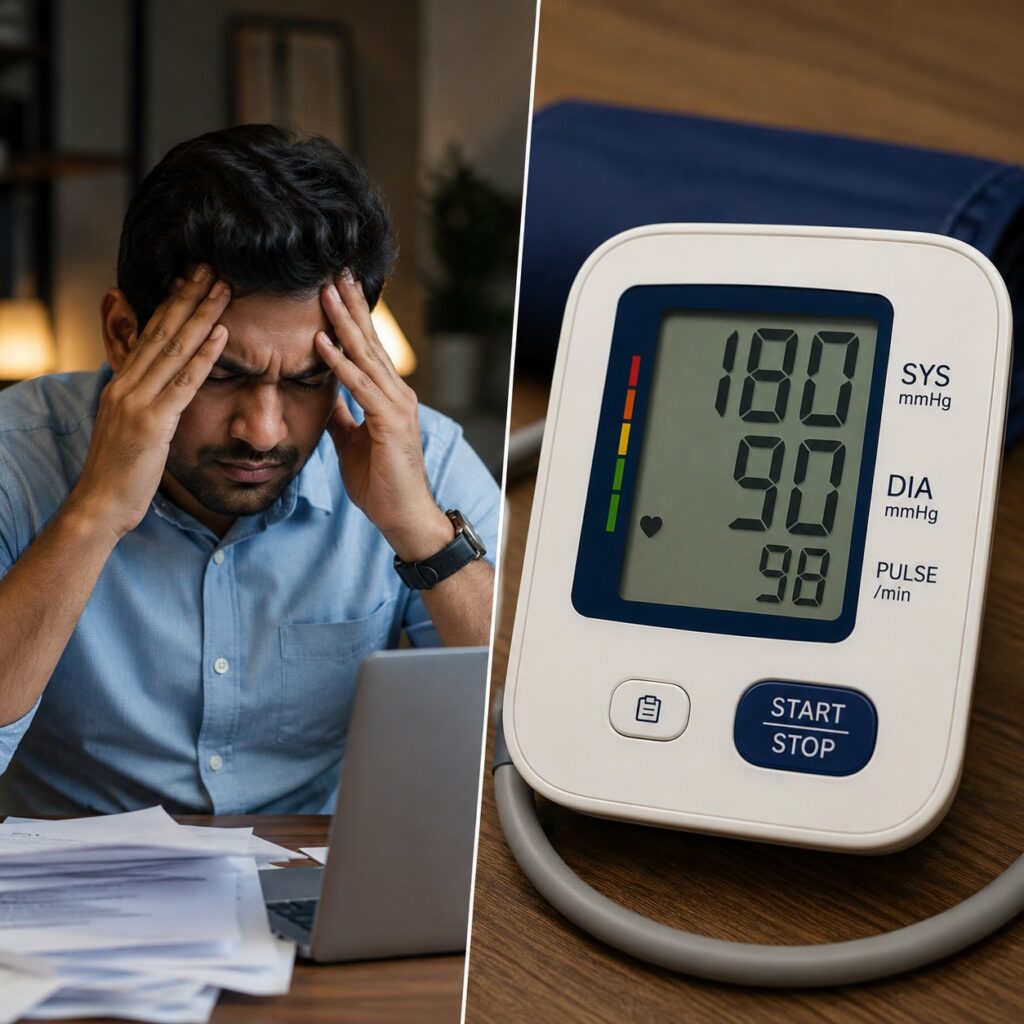
Stress-induced hypertension often develops quietly. Many individuals do not feel anxious, yet their nervous system remains constantly activated.
Common features include:
- Higher blood pressure in the morning
- Episodes of palpitations during stressful situations
- Tight neck and shoulder muscles
- Frequent tension headaches
- Jaw clenching or teeth grinding
- White-coat hypertension, where BP rises mainly during clinic visits
- Poor sleep with reduced nighttime blood pressure dipping
Some people become so worried about their blood pressure readings that frequent checking itself creates additional anxiety, causing temporary rises in BP. Home blood pressure monitoring is valuable, but excessive checking may become counterproductive.
Keeping a structured BP diary and discussing the results with your doctor provides a much clearer picture than reacting to isolated readings.
Small Daily Habits Can Produce Meaningful Improvements
Managing stress does not require dramatic lifestyle changes. Consistent daily habits can reduce activation of the body’s stress response.
Evidence-based approaches include:
Slow Breathing:
Slow diaphragmatic breathing activates the parasympathetic nervous system through the vagus nerve. Breathing techniques such as the 4-7-8 method or paced breathing may modestly lower blood pressure and reduce heart rate when practised regularly.
Mindfulness and Meditation:
Mindfulness meditation, prayer, yoga, and guided relaxation reduce perceived stress and may improve blood pressure over time by lowering sympathetic nervous system activity.
Regular Physical Activity:
Walking, cycling, swimming, and other moderate aerobic exercises reduce stress hormones while improving blood vessel function and overall cardiovascular health.
Laughter and Music:
Positive emotions, enjoyable music, and laughter reduce stress, improve mood, and may temporarily improve blood vessel function.
Healthy Social Connections:
Strong family relationships and supportive friendships reduce psychological stress and are associated with better cardiovascular health.
These strategies work best when combined consistently rather than used only during periods of high stress.
Everyday Stress Management for Better Heart Health
Stress cannot always be eliminated, but your response to it can be changed.
Simple habits include:
- Pause before reacting during stressful situations.
- Take regular movement breaks during long workdays.
- Limit unnecessary exposure to constant phone notifications.
- Avoid checking work emails immediately after waking.
- Create a consistent bedtime routine.
- Spend time outdoors whenever possible.
- Reduce multitasking and focus on one activity at a time.
Small changes repeated daily gradually retrain the nervous system to spend more time in a relaxed state instead of remaining continuously alert.
When Stress Needs Professional Help
Lifestyle strategies are extremely valuable, but they are not a substitute for medical care.
If your blood pressure remains above target despite stress management, or if you experience persistent anxiety, insomnia, panic symptoms, or overwhelming emotional distress, professional support is important.
Psychologists, counsellors, cognitive behavioural therapy (CBT), and when appropriate, medication for anxiety can improve both mental health and blood pressure control.
Seek urgent medical attention if elevated blood pressure is accompanied by chest pain, severe headache, breathlessness, weakness, vision changes, or confusion.
Managing stress should be viewed as an important part of comprehensive cardiovascular care—not as an alternative to prescribed treatment.
Frequently Asked Questions
Can stress alone cause high blood pressure?
Stress usually causes temporary increases in blood pressure. Long-term stress may contribute to chronic hypertension, particularly when combined with other risk factors such as obesity, poor sleep, smoking, or unhealthy eating habits.
Why is my blood pressure normal at home but high in the clinic?
This is known as white-coat hypertension. Anxiety during medical visits can temporarily raise blood pressure. Home monitoring or ambulatory blood pressure monitoring helps determine your usual readings.
Does deep breathing really lower blood pressure?
Slow breathing activates the body’s relaxation response and may produce modest reductions in blood pressure when practised regularly. It works best as part of an overall treatment plan.
Can poor sleep increase blood pressure?
Yes. Sleeping fewer than six hours regularly is associated with higher blood pressure and increased cardiovascular risk. Good sleep hygiene is an important part of hypertension management.
Should I stop my BP medicines if I manage stress better?
No. Never stop prescribed medications without discussing the decision with your doctor. Lifestyle improvements complement medication but do not automatically replace it.
Is anxiety the same as hypertension?
No. Anxiety causes temporary increases in blood pressure during episodes of stress, whereas hypertension refers to persistently elevated blood pressure over time.
How often should I check my blood pressure?
Most patients benefit from checking blood pressure once or twice daily for a few days before medical appointments. Your doctor can recommend the most appropriate schedule based on your condition.
Medical Disclaimer
This educational content is intended for general information only and should not replace professional medical advice, diagnosis, or treatment. Blood pressure management should always be individualised after consultation with a qualified healthcare professional. Never stop or change prescribed medications without medical guidance. If you experience severe chest pain, sudden weakness, difficulty speaking, breathlessness, or extremely high blood pressure readings, seek emergency medical care immediately.