10 Smart Ways to Cut Salt Without Losing Taste

Dr. Ameya Amonkar
Stress

Key Takeaways

Most Indians consume nearly twice the recommended daily amount of salt.
Hidden sodium in processed and restaurant foods contributes more than table salt.

Reading nutrition labels helps identify hidden sodium in packaged foods.

Home-cooked meals make it much easier to control sodium intake.

Small, consistent changes can significantly improve blood pressure over time.
Quick Summary
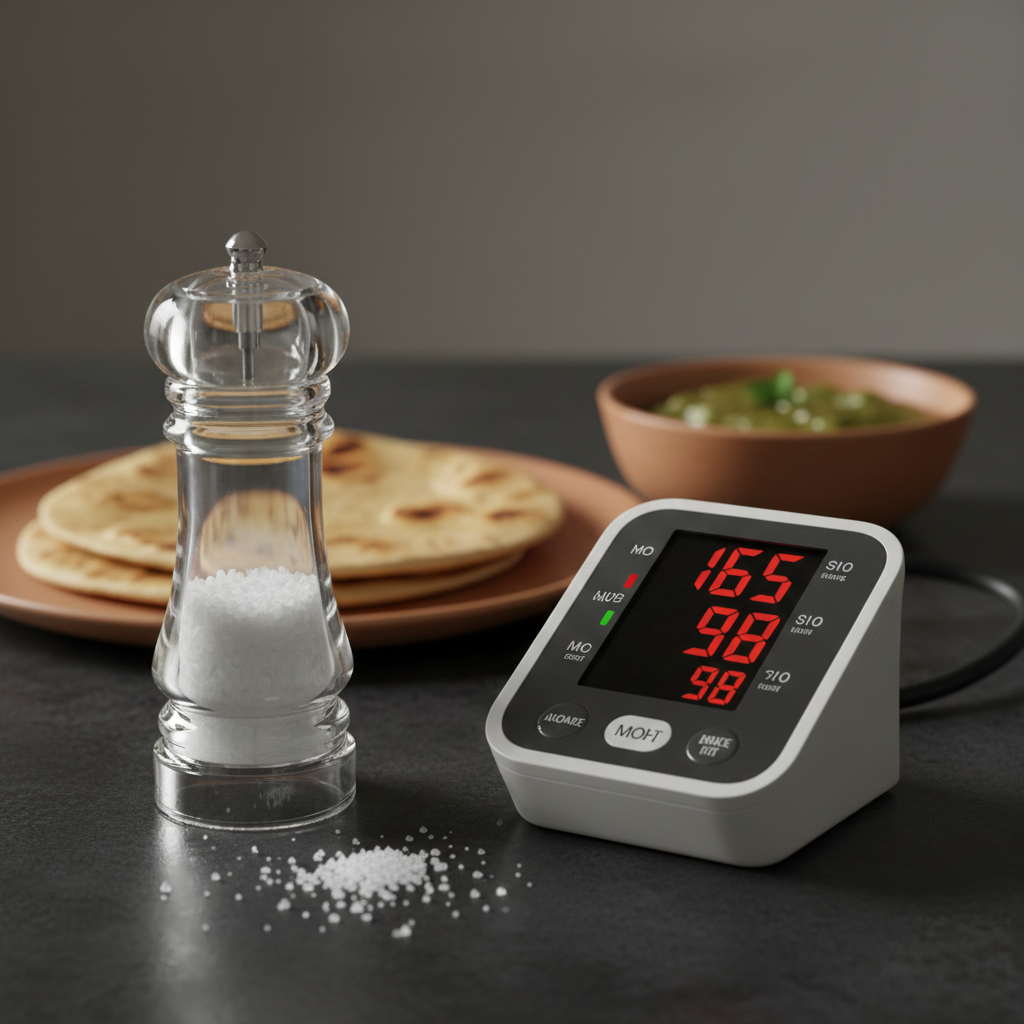
Reducing salt is one of the most effective lifestyle changes for lowering blood pressure, yet many people worry that low-salt eating means bland, unappetizing food. The good news is that you can enjoy flavourful Indian meals while significantly reducing sodium intake. Most dietary sodium comes not from the salt shaker but from packaged foods, pickles, papads, restaurant meals, bakery products, and processed snacks. By gradually retraining your taste buds, using herbs and spices creatively, choosing fresh foods, reading nutrition labels, and making smarter restaurant choices, you can lower your sodium intake without sacrificing taste. This guide shares ten practical, evidence-based strategies designed specifically for Indian kitchens to help protect your heart, improve blood pressure control, and make healthier eating sustainable for the whole family.

Detailed Learning Guide

Why Salt Matters More Than Most People Realise
High blood pressure affects millions of Indians, and excessive salt intake is one of its most important and preventable causes. The World Health Organization recommends limiting salt intake to less than 5 grams per day, yet the average Indian consumes approximately 9–11 grams daily.

Many people assume that avoiding extra salt at the dining table is enough. In reality, only a small proportion of our sodium intake comes from the salt shaker. Most sodium hides inside everyday foods such as pickles, papads, packaged snacks, breads, biscuits, instant noodles, ready-made gravies, sauces, restaurant meals, and processed foods.

Because South Asians tend to be more salt-sensitive than many Western populations, reducing sodium intake can produce meaningful reductions in blood pressure, lowering the long-term risk of heart attack, stroke, kidney disease, and heart failure.

Hidden Salt Is the Biggest Challenge
One of the biggest misconceptions about sodium is that foods must taste salty to contain large amounts of it. Many everyday foods contain surprisingly high sodium despite tasting only mildly salty.

Common hidden sources include breakfast cereals, ketchup, packaged soups, bakery products, ready-to-cook mixes, instant noodles, processed meats, chutneys, and restaurant gravies.

Learning to read nutrition labels is one of the simplest ways to reduce sodium intake. As a practical rule, foods containing less than 150 mg sodium per serving are generally considered lower-sodium choices. Equally important is checking the serving size, since one packet or one slice may contain multiple servings.

Making informed grocery choices is often more effective than simply removing the salt shaker from the dining table.

Train Your Taste Buds Instead of Fighting Them
Many people believe they will never enjoy low-salt food. Fortunately, our taste buds continuously renew themselves, allowing our preference for salt to change over time.

Instead of eliminating salt overnight, gradually reduce the amount added during cooking by about 10–15% every week. Over four to eight weeks, foods that once seemed bland begin tasting perfectly normal.

A useful strategy is mixing regular salted foods with low-sodium or unsalted versions. For example:

  • Mix salted peanuts with unsalted peanuts.
  • Combine homemade low-salt poha with packaged chivda.
  • Use less instant noodle seasoning and add homemade spices.

This gradual approach makes the transition easier while helping the palate naturally adapt.

Build Flavour Without Relying on Salt
Reducing salt does not mean reducing flavour. Indian cooking offers countless natural ways to create rich, satisfying meals.

Traditional ingredients such as cumin, coriander, turmeric, ginger, garlic, black pepper, mustard seeds, curry leaves, hing, kasuri methi, fresh coriander, lemon juice, tamarind, and vinegar enhance flavour while keeping sodium intake low.

Another valuable concept is umami, often called the fifth taste. Ingredients like tomatoes, mushrooms, caramelised onions, garlic, and slow-cooked dals create savoury depth that makes meals taste fuller and more satisfying without requiring additional salt.

Cooking techniques also matter. Roasting vegetables, sautéing onions until golden, lightly searing paneer, and adding a small amount of salt at the end of cooking can intensify flavour while allowing less sodium overall.

Shop Smarter and Eat Out Wisely
Restaurant meals often contain far more sodium than home-cooked food. Dosas with sambhar, pav bhaji, Chinese dishes, chaats, gravies, and processed sauces can easily provide most or all of a day’s recommended sodium in a single meal.

Rather than avoiding restaurants completely, adopt practical habits such as:

  • Request no extra salt during preparation whenever possible.
  • Limit pickles, papads, and salty chutneys.
  • Choose freshly prepared dishes over processed or packaged options.
  • Go easy on soy sauce, schezwan sauce, ketchup, and seasoning mixes.
  • Share high-sodium dishes with others instead of eating large portions.
  • Drink plain water instead of salty beverages or processed drinks.

Preparing meals at home most days of the week remains one of the most effective strategies for long-term blood pressure control because it allows complete control over ingredients.

Sustainable Salt Reduction Leads to Better Heart Health
Reducing sodium is not about following a restrictive diet—it is about making sustainable lifestyle changes that fit naturally into Indian cooking.

Small changes, such as eating more fruits and vegetables, controlling portion sizes, replacing processed foods with fresh alternatives, experimenting with herbs and spices, and becoming a careful nutrition label reader, can significantly reduce daily sodium intake.

When combined with regular physical activity, weight management, adequate sleep, stress reduction, and prescribed medications where needed, these dietary improvements become powerful tools for preventing and managing hypertension.

Healthy eating should never feel like punishment. With the right strategies, it is possible to enjoy delicious meals while protecting your heart for years to come.

Frequently Asked Questions

How much salt should I eat every day?
The World Health Organization recommends limiting total salt intake to less than 5 grams per day (about one teaspoon), including the salt already present in foods.

Does Himalayan pink salt lower blood pressure?
No. Pink salt contains sodium just like regular table salt and should be consumed in moderation.

Are fruits and vegetables helpful for blood pressure?
Yes. Many fruits and vegetables are rich in potassium, which helps balance sodium’s effects and supports healthy blood pressure.

How long does it take to adjust to a low-salt diet?
Most people notice their taste preferences begin changing within 3–4 weeks, with significant adaptation occurring over 6–8 weeks.

Which Indian foods contain hidden sodium?
Pickles, papads, farsan, breads, biscuits, instant noodles, packaged soups, sauces, restaurant gravies, and processed snacks are among the largest hidden sources.

Is eating at restaurants bad for people with high blood pressure?
Occasional restaurant meals are fine, but choosing freshly prepared dishes, requesting less salt, avoiding salty sides, and limiting sauces can help reduce sodium intake.

Can spices replace salt?
Yes. Herbs, spices, lemon juice, ginger, garlic, cumin, coriander, black pepper, tamarind, and fresh herbs can create excellent flavour while reducing the need for extra salt.

Medical Disclaimer
The information provided by HG Cardiowise is intended solely for educational purposes and should not replace professional medical advice, diagnosis, or treatment. Dietary recommendations may vary depending on your medical conditions, kidney function, medications, and individual nutritional needs. Always consult your physician or a qualified healthcare professional before making significant dietary or lifestyle changes, particularly if you have hypertension, kidney disease, heart disease, or other chronic medical conditions.

Downloadable Resource

Blood Pressure Salt Reduction Guide

8 Pages-PDF
Download our practical HG Cardiowise guide featuring sodium-smart grocery swaps, food label tips, low-sodium cooking strategies, and a blood pressure tracking sheet to help you apply these recommendations in daily life.

Who Should Watch This Video?

Individuals with pre-hypertension

People with a family history of hypertension

Anyone looking to improve long-term heart health

Individuals interested in healthier Indian cooking

Related Videos

New videos every week!

Subscribe to get heart health tips and new videos straight to your inbox.

✉ Subscribe Now

New to Cardiowise?

Start your journey to a healthier heart with trusted videos, expert tips and practical guidance.

▷ Explore Now
Scroll to Top