QUICK SUMMARY
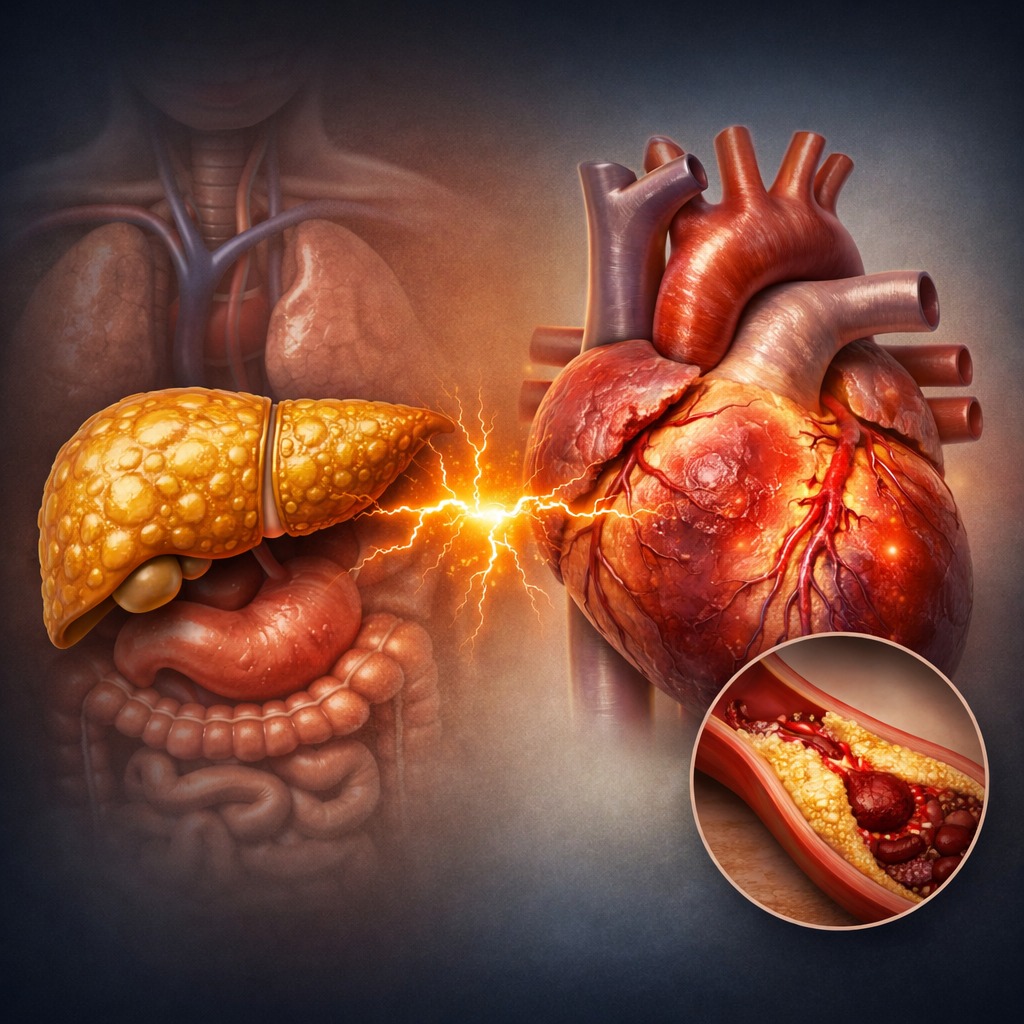
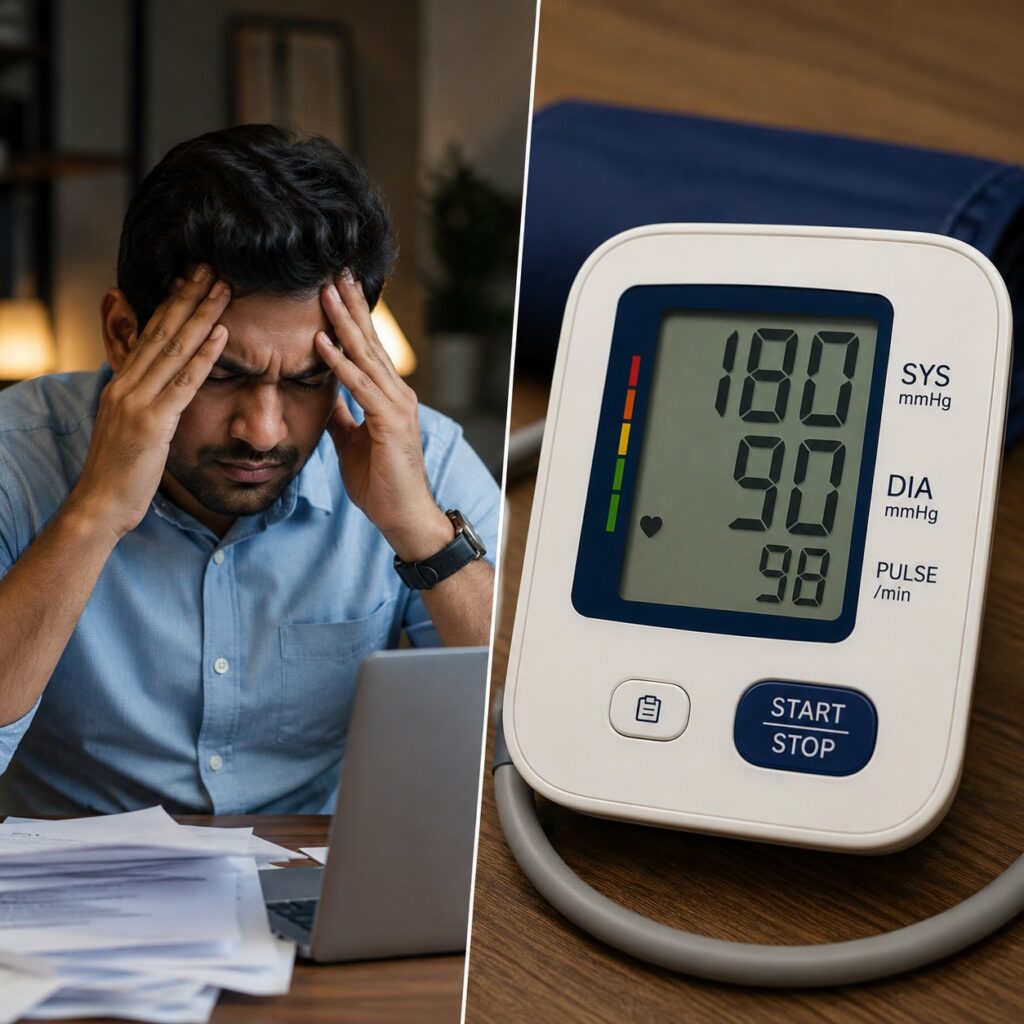
High blood pressure is often called the “silent killer” because it can damage the heart, brain, kidneys, and blood vessels without causing symptoms. Many people worry that starting blood pressure medicines means taking them for life, but treatment decisions are based on long-term blood pressure readings, overall cardiovascular risk, and the presence of conditions like diabetes or kidney disease—not a single high reading. Lifestyle measures such as reducing salt, exercising regularly, maintaining a healthy weight, and improving sleep remain the foundation of treatment. However, medicines become essential when blood pressure remains uncontrolled or when the risk of complications is high. Modern blood pressure medicines work in different ways to safely reduce cardiovascular risk, and many patients benefit from combination therapy using lower doses of multiple medications. The goal is not lifelong medication—it is lifelong protection from heart attack, stroke, kidney disease, and heart failure.
DETAILED LEARNING GUIDE
Do You Really Need Blood Pressure Medicines?
One of the most common questions patients ask after being diagnosed with hypertension is whether medicines are truly necessary. Many hope that dietary changes, exercise, or home remedies alone will solve the problem.
The answer depends on your individual situation. Doctors do not prescribe medicines based on a single elevated blood pressure reading. Instead, they evaluate multiple readings over time, assess your cardiovascular risk, and consider conditions such as diabetes, chronic kidney disease, previous heart disease, or evidence of organ damage.
The purpose of treatment is not simply to achieve a “normal” reading on the blood pressure monitor. The real goal is preventing long-term complications such as heart attack, stroke, heart failure, kidney disease, and vision loss.
For many patients, medicines are not a sign of failure—they are an important tool to protect health while lifestyle improvements continue.
When Lifestyle Changes May Be Enough
Lifestyle modification remains the cornerstone of hypertension management.
For individuals with mildly elevated blood pressure and no major cardiovascular risk factors, doctors often recommend a trial of lifestyle changes before starting medication. These include:
Reducing salt intake
- Eating more fruits and vegetables
- Regular physical activity
- Maintaining a healthy body weight
- Limiting alcohol
- Managing stress
- Getting adequate sleep
When followed consistently, these measures can significantly lower blood pressure. Some people with early-stage hypertension may successfully control their blood pressure without medicines.
However, lifestyle changes require consistency over months—not days. Blood pressure usually rises again if healthy habits are abandoned.
When Blood Pressure Medicines Become Necessary
Medicines are generally recommended when blood pressure remains elevated despite appropriate lifestyle measures or when the patient’s overall cardiovascular risk is high.
Treatment is often necessary for people who:
- Have persistent blood pressure above recommended targets
- Have diabetes
- Have chronic kidney disease
- Have previous heart attack or stroke
- Show evidence of heart enlargement or other organ damage
Research consistently shows that lowering systolic blood pressure by just 10 mmHg significantly reduces the risk of stroke, heart disease, and cardiovascular death.
Rather than viewing medicines as a lifelong burden, it is helpful to think of them as long-term protection against complications that may otherwise develop silently over many years.
How Blood Pressure Medicines Work
Modern blood pressure medicines work through different biological pathways. Understanding their role often reduces unnecessary fear.
Diuretics help the kidneys remove excess salt and water, reducing blood volume.
ACE inhibitors and ARBs relax blood vessels by blocking hormones that normally cause arteries to tighten. These medicines also help protect the kidneys, particularly in people with diabetes.
Calcium channel blockers relax the muscles within artery walls, allowing blood to flow more easily.
Beta blockers reduce heart rate and the force with which the heart pumps, making them especially useful in selected patients with heart disease or rhythm problems.
Each medicine targets a different mechanism contributing to high blood pressure, allowing treatment to be personalised for each patient.
Why Combination Therapy Is Often Better
Many patients become concerned when prescribed two blood pressure medicines instead of one.
In reality, combination therapy is now considered standard treatment for many people with hypertension. Rather than using one medicine at a very high dose—which may increase side effects—doctors often prescribe two medicines in lower doses that work through different mechanisms.
This approach offers several advantages:
- Better blood pressure control
- Lower risk of medication side effects
- Improved long-term protection
- Greater convenience when fixed-dose combination tablets are used
Combination therapy reflects modern evidence-based medicine and does not necessarily mean that hypertension is “severe.”
Can You Ever Stop Blood Pressure Medicines?
This is perhaps the most frequently asked question in hypertension clinics.
Some patients may eventually reduce or discontinue medicines—but only under medical supervision.
Successful reduction depends on several factors:
- Significant weight loss
- Long-term healthy eating
- Regular exercise
- Reduced salt intake
- Excellent blood pressure control over many months
- Absence of major cardiovascular risk factors
Stopping medicines independently because blood pressure has become normal is risky. In many cases, the medicines are the reason the blood pressure is controlled.
Never stop or reduce blood pressure medication without discussing it with your healthcare provider.
Taking Blood Pressure Medicines Safely
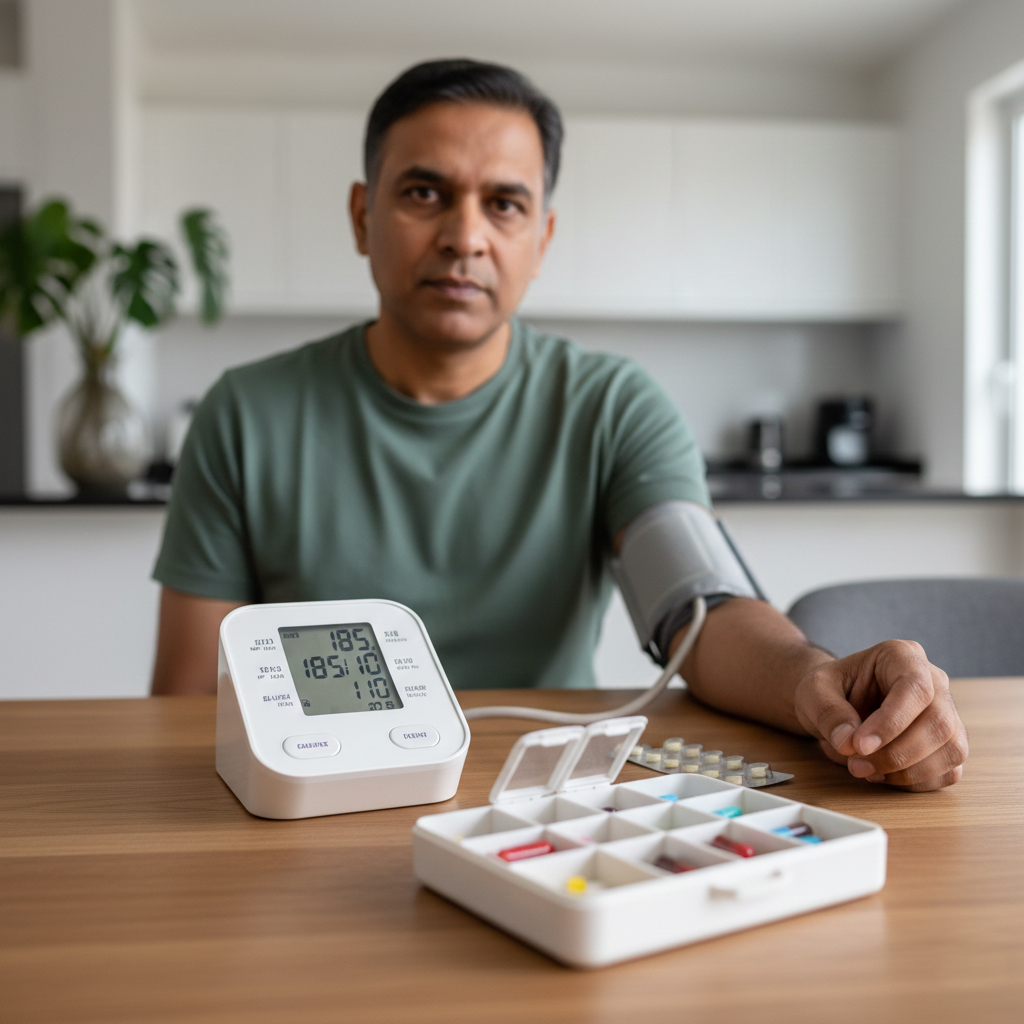
Blood pressure medicines work best when taken consistently.
Important recommendations include:
- Take medicines at the same time every day.
- Do not skip doses because your blood pressure feels “normal.”
- Continue healthy lifestyle habits alongside medication.
- Report side effects to your doctor rather than stopping treatment yourself.
- Attend regular follow-up visits to monitor blood pressure and kidney function when required.
The objective is long-term protection—not simply short-term blood pressure reduction.
FREQUENTLY ASKED QUESTIONS
Can lifestyle changes replace blood pressure medicines?
For some people with mild hypertension, lifestyle changes alone may be sufficient. Others require medicines in addition to healthy habits, depending on their overall cardiovascular risk.
Do I have to take blood pressure medicines forever?
Not necessarily. Some patients can reduce medicines after sustained lifestyle improvement and consistently controlled blood pressure, but only under medical supervision.
Why was I prescribed two medicines instead of one?
Two lower-dose medicines often provide better blood pressure control with fewer side effects than one medicine at a high dose.
Is it safe to stop medicines once my BP becomes normal?
No. Blood pressure may be normal because the medicines are working. Never stop treatment without consulting your doctor.
Are blood pressure medicines harmful to the kidneys?
Most modern blood pressure medicines actually protect kidney function, especially in patients with diabetes or chronic kidney disease.
What should I do if I miss a dose?
Follow your doctor’s instructions or the medication leaflet. Do not double the next dose unless advised by your healthcare provider.
Can I eat bananas or drink coconut water while taking BP medicines?
Most people can. However, some medicines increase potassium levels, so patients with kidney disease or those taking ACE inhibitors or ARBs should discuss potassium-rich foods with their doctor.
Do blood pressure medicines cause weakness?
Most patients tolerate modern medicines very well. If side effects occur, doctors can often adjust the dose or switch to another medication.
MEDICAL DISCLAIMER
This educational content is intended for general health information only and should not replace professional medical advice, diagnosis, or treatment. Blood pressure management should always be individualised based on your medical history, examination findings, laboratory results, and overall cardiovascular risk. Never start, stop, or change your blood pressure medicines without consulting your treating physician or cardiologist. If you experience severe headache, chest pain, breathlessness, weakness, vision changes, or symptoms suggestive of a hypertensive emergency, seek immediate medical attention.