QUICK SUMMARY
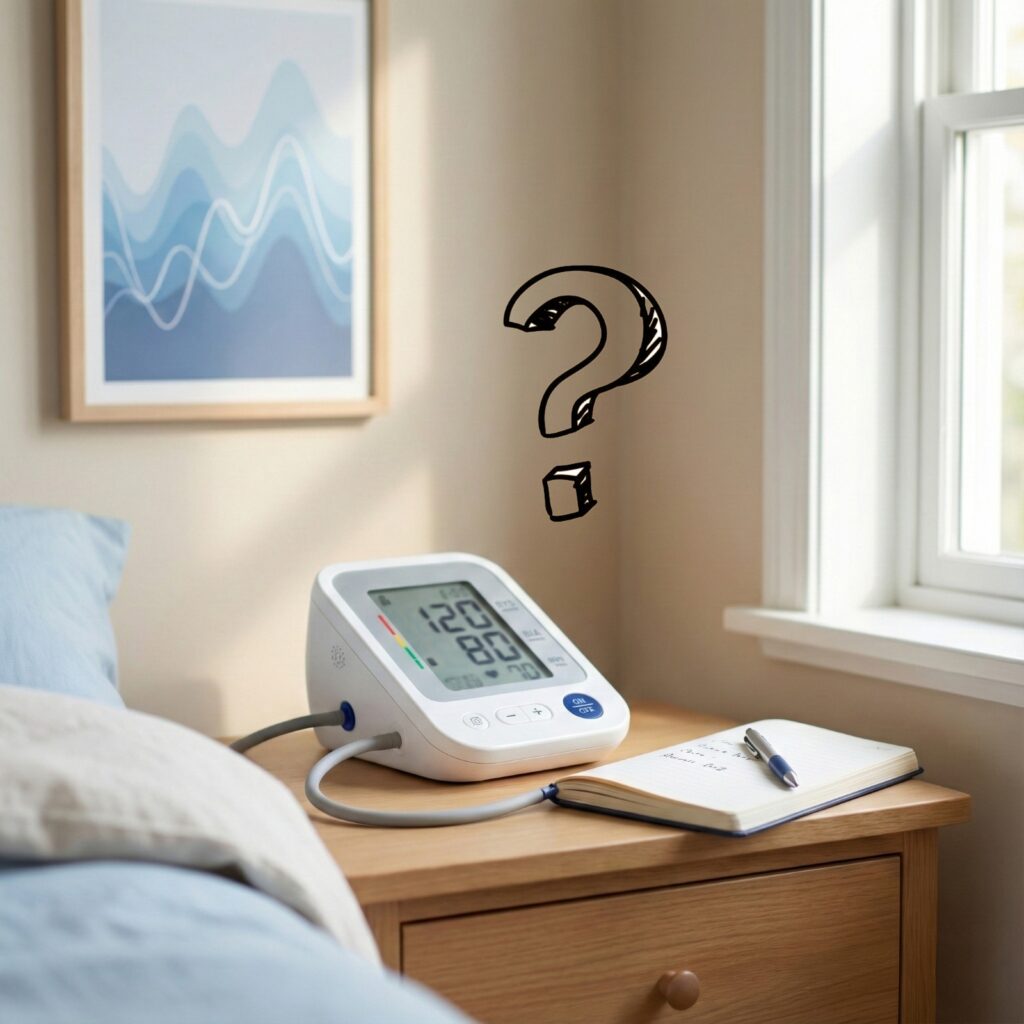
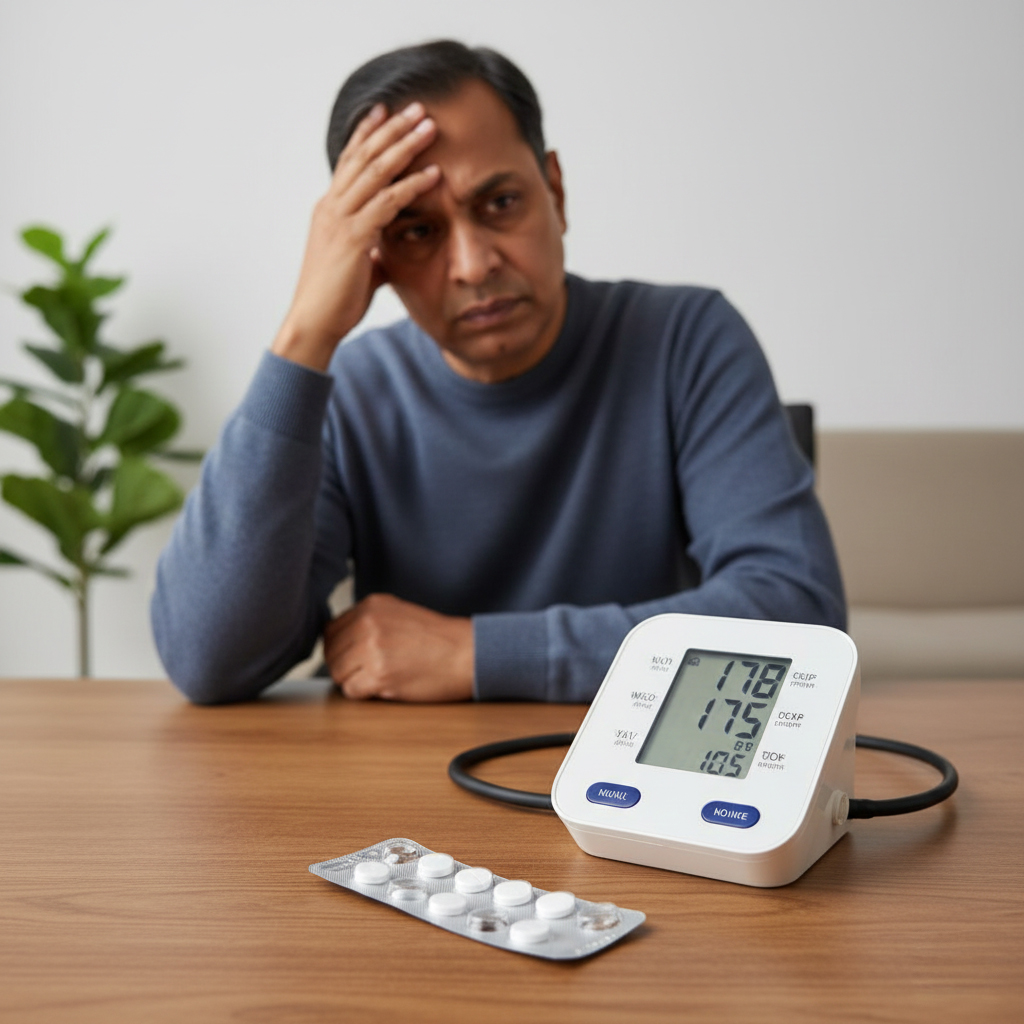
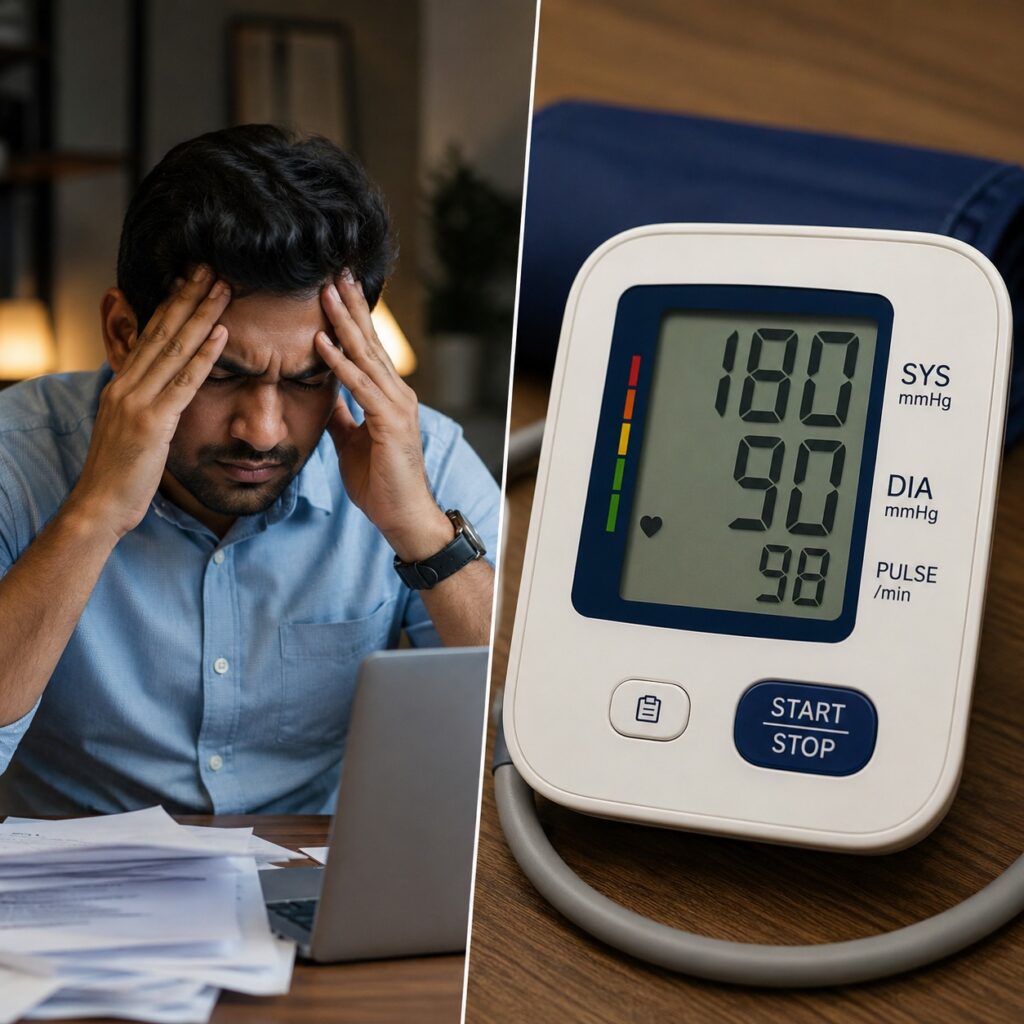
Blood pressure is often reduced to a simple number, but the reality is much more complex. While medical guidelines provide useful ranges for normal and high blood pressure, your ideal blood pressure depends on factors such as age, diabetes, kidney health, heart disease, family history, and overall cardiovascular risk.
Research shows that cardiovascular risk begins to increase even before blood pressure reaches traditional hypertension thresholds. At the same time, lower blood pressure is not always better, especially if it causes symptoms such as dizziness or fatigue.
Rather than focusing solely on a single reading, healthcare professionals increasingly use a risk-based approach that considers the whole person, not just the number on the monitor. Understanding your individual blood pressure target can help you take the right steps to protect your heart, brain, kidneys, and long-term health.