


QUICK SUMMARY
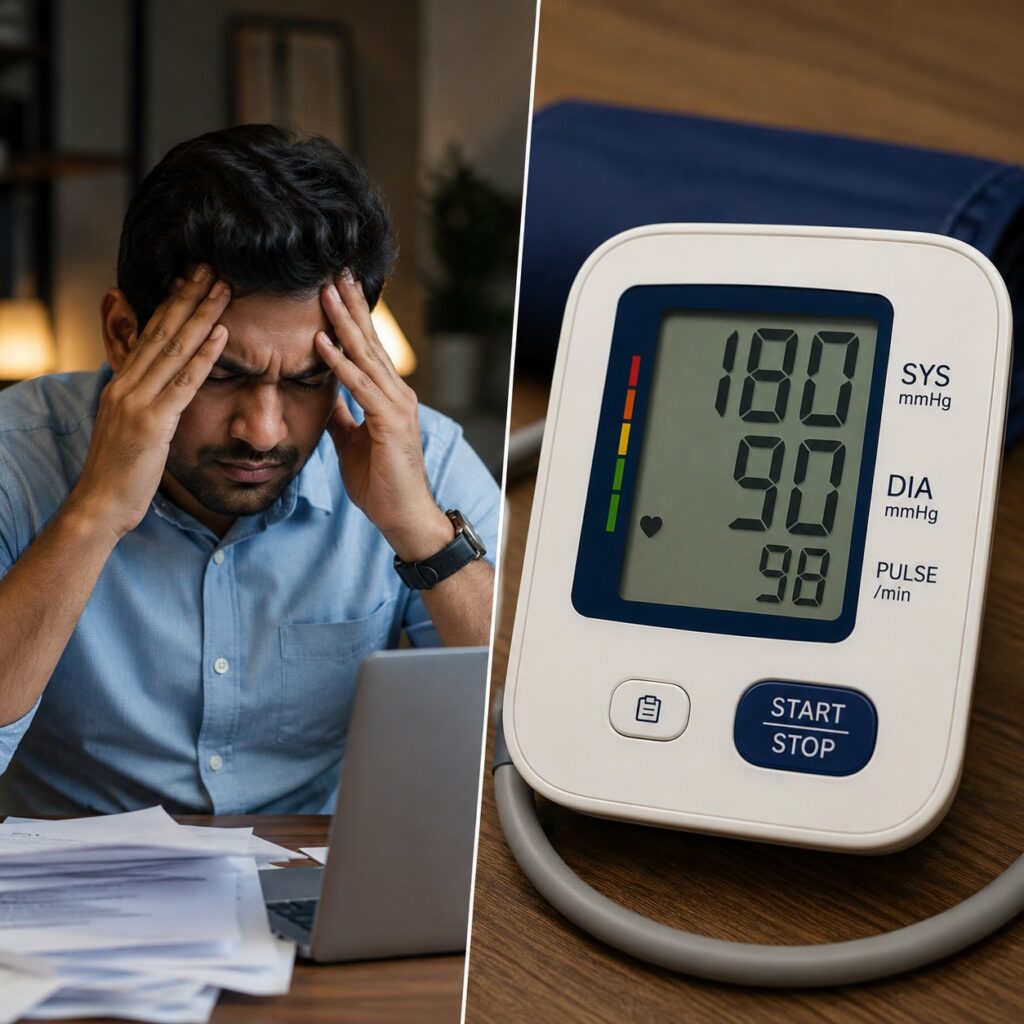
High blood pressure patients are often advised to switch from regular table salt to alternatives such as Himalayan pink salt, sendha namak, or kala namak. But do these salts actually help lower blood pressure? The answer is largely no. Most specialty salts contain nearly the same amount of sodium as regular salt and therefore have a similar effect on blood pressure. The real issue is not the type of salt but the total amount of sodium consumed each day.
Low-sodium salts, often marketed as Salt Lite, can help reduce sodium intake and may lower blood pressure in selected individuals. However, they are not suitable for everyone, particularly people with kidney disease or those taking certain medications. Understanding the facts behind popular salt myths can help you make smarter dietary choices and better manage your blood pressure.
DETAILED LEARNING GUIDE
Understanding the Salt Confusion
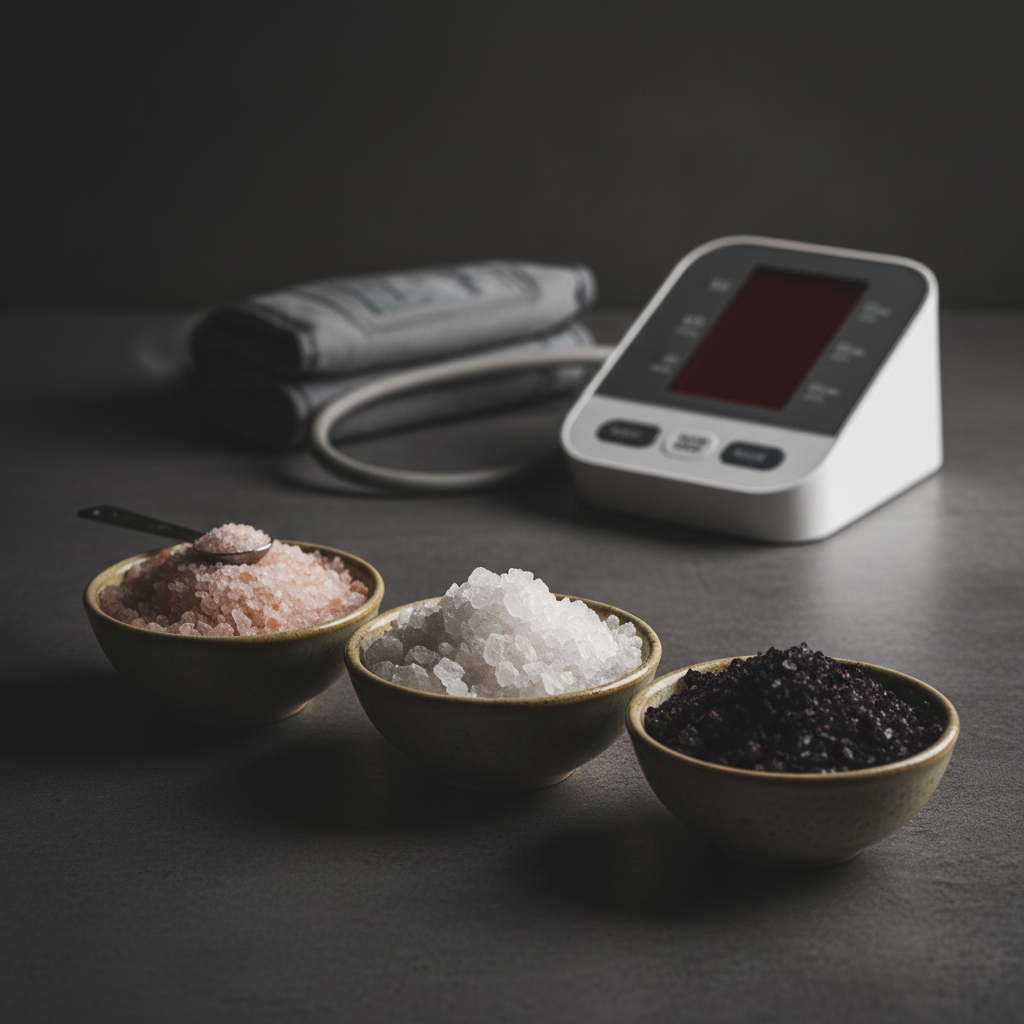
Walk through any grocery store or browse health advice online and you’ll encounter numerous claims about “healthier” salts. Himalayan pink salt, sendha namak, kala namak, sea salt, and low-sodium salts are often promoted as superior alternatives to regular table salt. Many people with high blood pressure assume that switching to one of these options automatically makes their diet healthier. However, blood pressure is influenced primarily by sodium intake. Regardless of where the salt comes from, sodium remains the key factor affecting fluid balance, blood vessel function, and blood pressure levels. While different salts may vary slightly in texture, taste, mineral content, or processing methods, most provide similar amounts of sodium. Therefore, reducing overall salt consumption remains more important than choosing a fashionable or expensive variety.
Himalayan Pink Salt: Health Halo or Health Benefit?
Himalayan pink salt has gained immense popularity because it is marketed as natural, mineral-rich, and less processed than table salt. Its attractive pink color comes from trace amounts of minerals such as iron. While these minerals do exist, they are present in extremely small quantities.
From a blood pressure perspective, Himalayan pink salt contains almost the same amount of sodium as regular table salt. Any potential mineral benefits are too small to have a meaningful impact on health unless consumed in unrealistic amounts. Additionally, Himalayan pink salt typically lacks iodine, an essential nutrient required for healthy thyroid function.
For individuals who enjoy its flavor or appearance, pink salt can certainly be used in moderation. However, it should not be viewed as a treatment for high blood pressure or a healthier replacement simply because of its natural image.
Sendha Namak: Traditional but Not Low in Sodium
Sendha namak, also known as rock salt or saindhav salt, is commonly used during fasting periods and holds cultural significance in many Indian households. Because it is often described as pure and natural, many people believe it is safer for individuals with hypertension.
In reality, sendha namak is very similar to Himalayan rock salt. It is composed primarily of sodium chloride and contains only trace amounts of other minerals. Its sodium content remains high enough to affect blood pressure in the same way as regular salt.
There is nothing inherently harmful about using sendha namak occasionally for traditional recipes or fasting meals. However, patients should avoid assuming that it offers special protection against hypertension. The quantity consumed remains far more important than the source.
Kala Namak: Flavorful but Not a Blood Pressure Solution
Kala namak, or black salt, is well known for its distinctive sulfur-rich aroma and unique taste. It is frequently added to fruits, chaats, raitas, and digestive preparations. Some people believe it improves digestion and is gentler on blood pressure.
Although kala namak does contain slightly less sodium than regular table salt, the difference is not large enough to significantly change blood pressure outcomes. It should therefore be viewed primarily as a flavoring ingredient rather than a healthier salt alternative.
Using a pinch of kala namak can enhance taste and may help reduce the need for larger quantities of salt elsewhere. However, replacing all cooking salt with kala namak will not meaningfully reduce sodium intake or lower blood pressure.
Salt Lite and Low-Sodium Salt Substitutes
Unlike most specialty salts, low-sodium salt substitutes are specifically designed to reduce sodium consumption. These products replace a portion of sodium chloride with potassium chloride, resulting in a lower sodium content.
Research suggests that replacing regular salt with low-sodium alternatives can help lower blood pressure and may reduce the risk of stroke in certain populations. This benefit occurs because people consume less sodium while simultaneously increasing potassium intake, which supports healthy blood pressure regulation.
Popular low-sodium salts available in India include Tata Salt Lite and other similar products. However, they are not suitable for everyone. Individuals with kidney disease or those taking medications that increase potassium levels should consult their doctor before making the switch.
Why Total Sodium Matters More Than Salt Type
Many people focus on choosing the “right” salt while overlooking the larger issue: hidden sodium in everyday foods. Pickles, papads, packaged snacks, restaurant meals, instant foods, sauces, and processed products often contribute far more sodium than the salt added during cooking.
Even if someone switches entirely to pink salt or sendha namak, excessive consumption can still raise blood pressure. The body responds to sodium itself, not the color, origin, or marketing claims associated with a particular salt.
For better blood pressure control, focus on reducing overall sodium intake, reading food labels, limiting processed foods, and increasing potassium-rich foods such as fruits, vegetables, legumes, and coconut water when appropriate.
Should You Stop Eating Salt Completely?
No. Sodium is an essential nutrient that plays a critical role in nerve function, muscle contraction, and fluid balance. Completely eliminating salt is neither practical nor advisable for most people.
The goal is moderation rather than elimination. The World Health Organization recommends limiting salt intake to less than 5 grams per day, which is approximately one teaspoon from all sources combined. Most people consume significantly more than this amount without realizing it.
Rather than obsessing over specific salt varieties, focus on mindful eating habits, portion control, and awareness of hidden sodium sources. Small, sustainable reductions can have a meaningful impact on blood pressure and cardiovascular health.
FREQUENTLY ASKED QUESTIONS
Is Himalayan pink salt better for high blood pressure?
No. Himalayan pink salt contains nearly the same amount of sodium as regular table salt and does not lower blood pressure.
Can I replace regular salt with sendha namak if I have hypertension?
You can use sendha namak, but it is not a low-sodium option and should still be consumed in moderation.
Does kala namak help lower blood pressure?
Not significantly. Although it contains slightly less sodium, the difference is too small to provide meaningful blood pressure benefits.
What is Salt Lite?
Salt Lite is a low-sodium salt substitute that partially replaces sodium chloride with potassium chloride.
Is Salt Lite safe for everyone?
No. People with kidney disease or those taking certain medications should seek medical advice before using it.
How much salt should I consume daily?
Most adults should aim for less than 5 grams of salt per day, equivalent to approximately one teaspoon.
Should I completely stop eating salt if I have high BP?
No. Sodium is essential for normal body function. The goal is controlled intake, not complete elimination.
Which salt is best for daily use?
Iodized salt remains a safe and practical choice for most households when used in recommended amounts.
MEDICAL DISCLAIMER
The information provided by HG Cardiowise is intended for educational purposes only and should not be considered medical advice, diagnosis, or treatment. Always consult your doctor or qualified healthcare professional before making changes to your diet, medications, or treatment plan. Individual medical conditions and health needs vary, and recommendations may not apply to every person. Never ignore professional medical advice or delay seeking care because of information you have read on this website.