QUICK SUMMARY
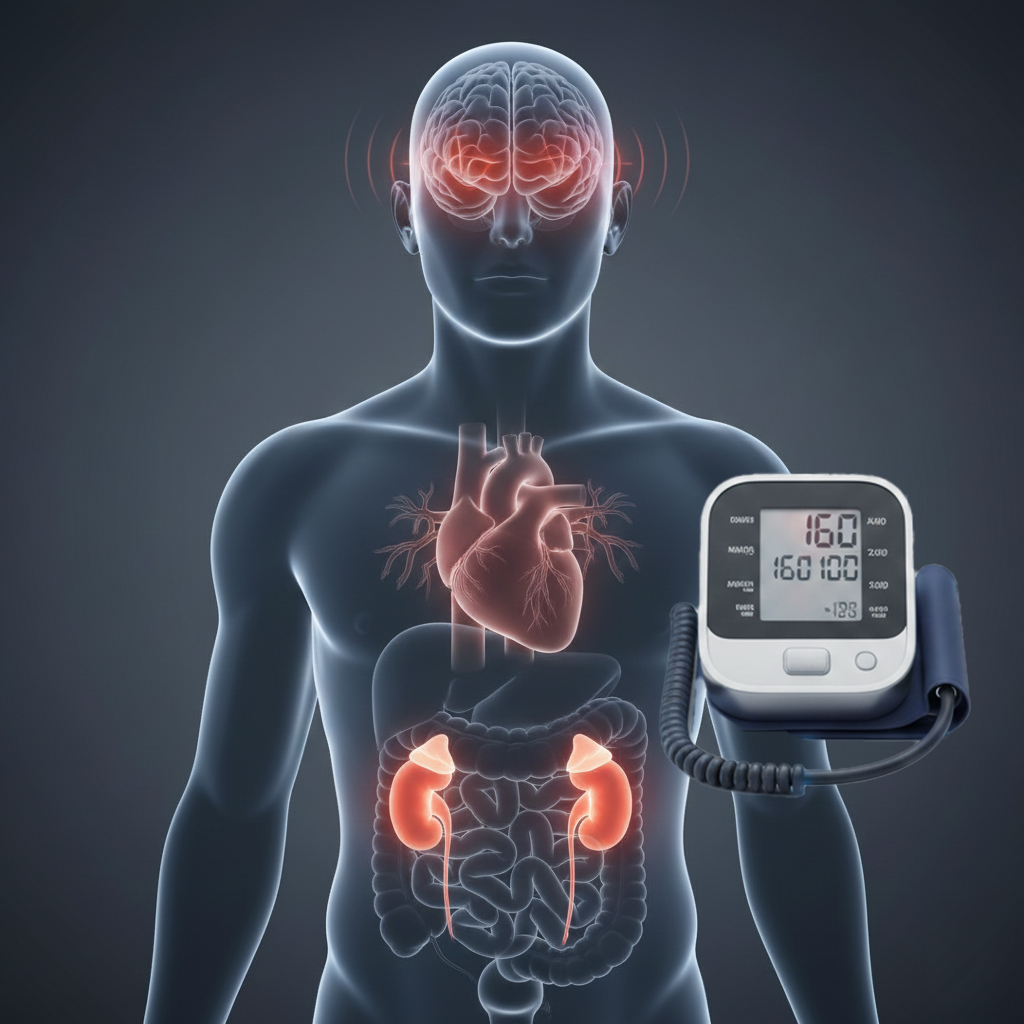
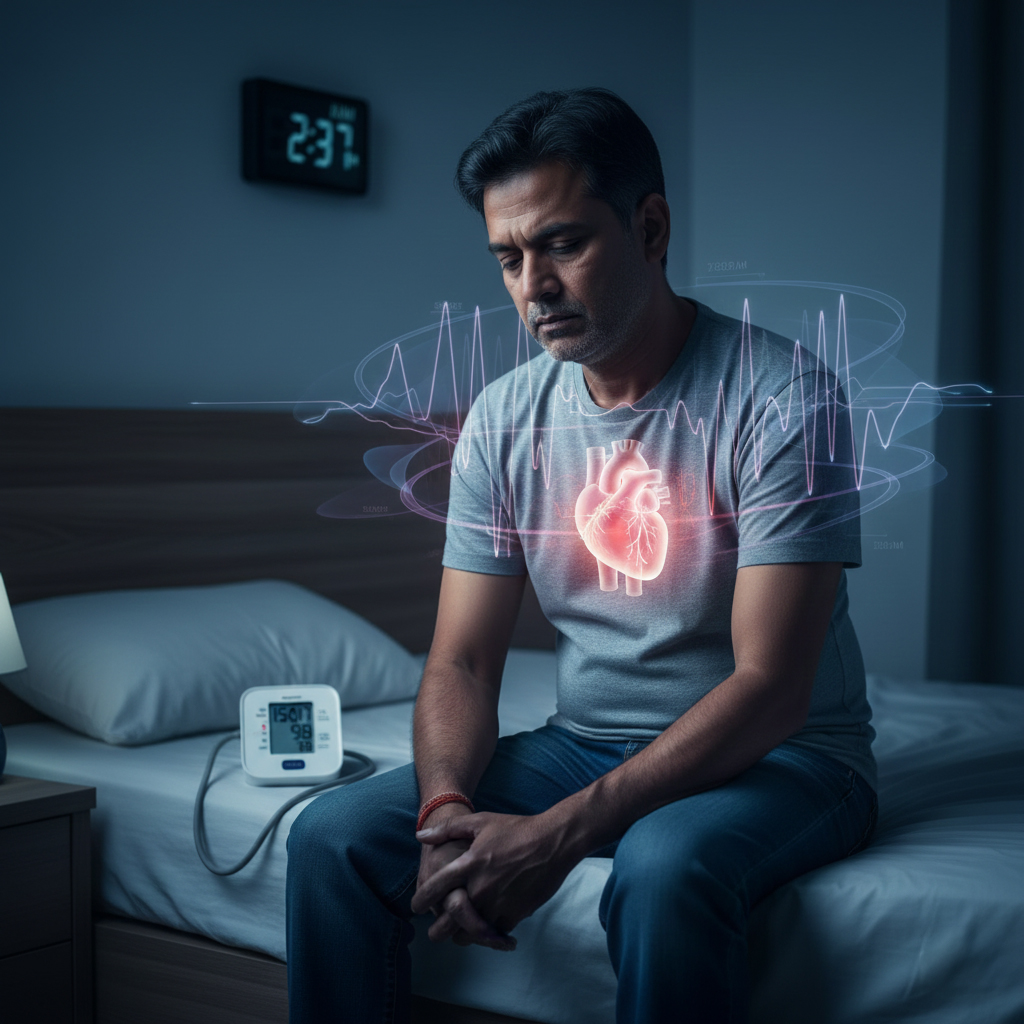
High blood pressure (hypertension) is often called the “silent killer” because it can damage vital organs for years without causing noticeable symptoms. Constant pressure inside your arteries gradually injures blood vessels, forcing your heart to work harder while increasing the risk of heart attack, stroke, kidney disease, vision loss, and memory problems. Many people only discover they have hypertension after irreversible damage has already occurred. Fortunately, regular blood pressure monitoring, healthy lifestyle changes, prescribed medications, and periodic organ health assessments can dramatically reduce these risks. This guide explains how hypertension affects different parts of the body, why long-term blood pressure control matters more than occasional spikes, the warning signs that require immediate medical attention, and the simple tests that help detect complications early.
DETAILED LEARNING GUIDE
Understanding Why High Blood Pressure Is Called the Silent Killer
High blood pressure rarely announces its presence. Unlike fever or pain, hypertension often develops without obvious warning signs, allowing damage to accumulate quietly over many years. Imagine termites slowly weakening the wooden frame of a house—the structure may appear perfectly normal until significant damage has already occurred. Hypertension behaves in much the same way.
Every heartbeat pushes blood through your arteries. When blood pressure remains consistently high, excessive force repeatedly strikes the inner lining of these blood vessels. This microscopic injury triggers inflammation, stiffening of the arteries, and gradual narrowing of blood flow. As a result, the organs supplied by these arteries receive less efficient circulation while the heart must work harder to maintain adequate blood flow.
Many patients feel completely healthy despite dangerously elevated blood pressure. Unfortunately, by the time symptoms develop, complications such as stroke, heart failure, or kidney disease may already be advanced. This is why regular blood pressure measurement remains one of the simplest and most powerful preventive health tools.
How High Blood Pressure Damages Your Heart
Your heart functions like a powerful pump. When arteries become stiff and narrow because of hypertension, the heart must generate greater force to push blood through the circulation. Over time, this causes the muscular wall of the left ventricle to thicken—a condition known as Left Ventricular Hypertrophy (LVH).
Although thicker muscles may sound beneficial, the opposite is true inside the heart. The enlarged muscle becomes stiff, reducing the heart’s ability to fill properly and increasing its oxygen requirements. Eventually, this may lead to heart failure, reduced exercise capacity, swelling of the legs, and persistent fatigue.
Hypertension also accelerates coronary artery disease, making heart attacks more likely. In addition, structural changes within the heart can disrupt its electrical system, increasing the risk of irregular heart rhythms such as atrial fibrillation, which itself significantly raises the risk of stroke.
Maintaining healthy blood pressure is therefore one of the most effective ways to preserve lifelong heart function.
The Brain: Why Blood Pressure and Stroke Are Closely Linked
The brain depends on a continuous, well-regulated blood supply. High blood pressure gradually damages delicate cerebral blood vessels, making them more susceptible to both blockage and rupture.
An ischemic stroke occurs when narrowed arteries become blocked by a clot, depriving brain tissue of oxygen. A hemorrhagic stroke develops when weakened blood vessels burst and bleed into the brain. Both situations require immediate emergency treatment.
Not all brain injury is dramatic. Many people experience “silent strokes” that produce no obvious symptoms but gradually impair memory, concentration, and thinking ability. Research has shown that uncontrolled hypertension substantially increases the risk of vascular dementia later in life.
In India, strokes are increasingly affecting younger adults, highlighting the importance of early blood pressure control rather than assuming hypertension is only a disease of older age.
Protecting Your Kidneys and Eyes from Silent Damage
Your kidneys contain millions of tiny filtering units called nephrons that continuously clean the blood. Persistent high blood pressure damages these delicate filters, allowing protein to leak into the urine and gradually reducing kidney function. Initially, there may be no symptoms at all.
If left untreated, chronic kidney disease can eventually progress to kidney failure requiring dialysis or transplantation. People with both hypertension and diabetes face an especially high risk.
The eyes provide another unique window into blood vessel health. The retina contains tiny arteries that can be directly examined during an eye check-up. Hypertension may cause narrowing of retinal blood vessels, bleeding, swelling, and leakage long before vision problems become noticeable.
Routine kidney function tests, urine protein testing, and retinal examinations allow doctors to detect early organ damage before permanent complications develop.
Hypertension Affects More Than Just the Heart
Although heart disease receives the most attention, hypertension is truly a whole-body condition.
Poor circulation caused by damaged arteries may reduce blood flow to the legs, resulting in pain while walking, known as claudication. Blood vessel disease can also contribute to erectile dysfunction in men and reduced sexual satisfaction in women by impairing blood flow.
Emerging evidence suggests that high sodium intake and uncontrolled blood pressure may increase calcium loss from the body, potentially contributing to weaker bones over time.
In some individuals, long-standing pressure weakens artery walls, leading to aneurysms—dangerous bulges that can develop in the aorta or brain. Although uncommon, aneurysms can become life-threatening if they rupture.
These widespread effects demonstrate why hypertension should never be viewed as simply “a blood pressure problem.”
Why Regular Monitoring Saves Lives
Because hypertension causes gradual damage, waiting for symptoms is a risky strategy. Regular monitoring allows doctors to detect complications early, when treatment is most effective.
For most patients with hypertension, ongoing care includes:
- Regular home blood pressure monitoring
- Annual kidney function tests and urine protein assessment
- Periodic ECG and echocardiography when clinically indicated
- Comprehensive retinal examination
- Routine review of cardiovascular risk factors including diabetes and cholesterol
These assessments function like security cameras placed throughout your body. Each test monitors a different organ, helping identify problems before irreversible damage develops.
Early intervention can significantly reduce the likelihood of heart attack, stroke, kidney failure, and vision loss.
Temporary Blood Pressure Spikes vs Long-Term Risk
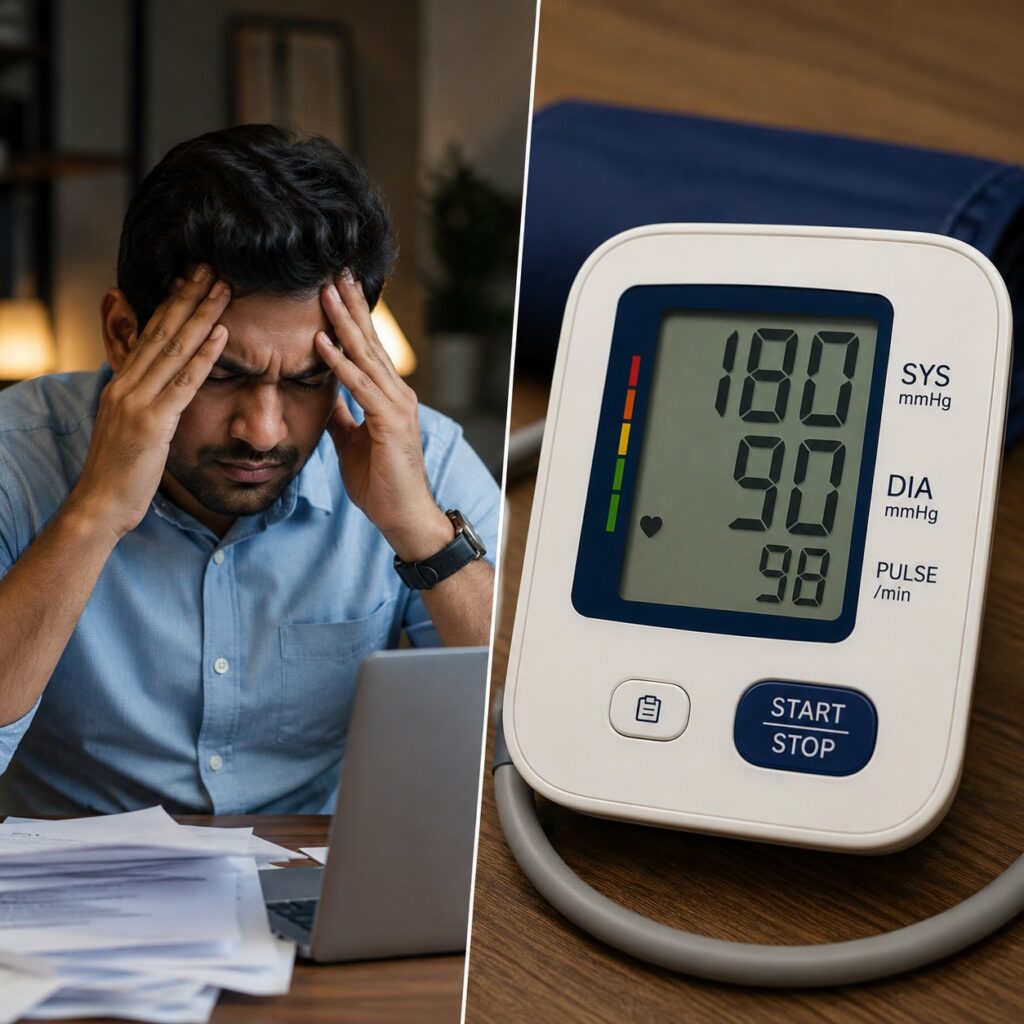
Many people become alarmed after recording a single high blood pressure reading during stress, pain, lack of sleep, or physical activity.
Fortunately, occasional temporary elevations are usually not responsible for long-term organ damage. The greatest risk comes from blood pressure that remains consistently elevated over months and years.
Think of sun exposure: one sunny afternoon rarely causes lasting harm, but repeated daily exposure without protection eventually damages the skin. Blood pressure behaves similarly—the average long-term level matters far more than isolated spikes.
However, a sudden severe rise in blood pressure accompanied by symptoms such as chest pain, severe breathlessness, weakness on one side of the body, vision loss, confusion, seizures, or difficulty speaking requires immediate emergency medical evaluation, as these may indicate a hypertensive emergency or an acute cardiovascular event.
FREQUENTLY ASKED QUESTIONS
Can high blood pressure damage my body even if I feel perfectly healthy?
Yes. Hypertension frequently causes silent damage to the heart, brain, kidneys, eyes, and arteries long before symptoms appear.
Which organs are most commonly affected by high blood pressure?
The heart, brain, kidneys, eyes, and blood vessels throughout the body are particularly vulnerable.
Is one high blood pressure reading dangerous?
Usually not. Stress, exercise, pain, or poor sleep can temporarily raise blood pressure. Persistent elevation over time is a much greater concern.
How often should I monitor my blood pressure?
Your doctor will advise what is appropriate for you. Many people with stable hypertension benefit from regular home monitoring, while medication changes may require more frequent checks.
What tests help detect organ damage?
Doctors may recommend kidney function tests, urine protein testing, ECG, echocardiography, retinal examination, and other investigations depending on individual risk.
When should I seek emergency medical care?
Seek immediate medical attention if high blood pressure is accompanied by chest pain, sudden breathlessness, stroke symptoms, vision loss, seizures, severe confusion, or loss of consciousness.
Can organ damage from hypertension be reversed?
Some early changes may improve with effective treatment, but advanced damage may be permanent. Early diagnosis offers the best chance of preventing complications.
MEDICAL DISCLAIMER
This educational content is intended for general health information only and should not replace professional medical advice, diagnosis, or treatment. Individual health conditions vary, and treatment decisions should always be made in consultation with a qualified healthcare professional. Never ignore medical symptoms or delay seeking medical attention because of information you have read on this website. If you experience symptoms such as chest pain, sudden weakness, severe breathlessness, vision loss, confusion, or difficulty speaking, seek emergency medical care immediately.