Quick Summary
Accurate blood pressure measurement is one of the most important steps in diagnosing and managing hypertension. Even the best blood pressure monitor can produce misleading results if it is used incorrectly. Choosing a validated upper-arm digital monitor, using the correct cuff size, maintaining proper posture, resting before measurement, and following a consistent routine all improve accuracy. Smartwatches and wrist monitors may be convenient but are generally less reliable for diagnosing or managing hypertension. This guide explains how modern digital blood pressure monitors work, what features to look for when purchasing one, and a simple seven-step technique recommended by hypertension experts. Following these practical steps helps you and your doctor make treatment decisions based on reliable trends rather than isolated or inaccurate readings.
Detailed Learning Guide
Why Accurate Blood Pressure Measurement Matters
Blood pressure readings influence important medical decisions, including whether medication is needed and whether treatment should be adjusted. However, inaccurate measurements are surprisingly common. A reading taken after rushing upstairs, sitting incorrectly, or using an unsuitable device may not reflect your true blood pressure.
Unlike a laboratory test, blood pressure depends heavily on how and when it is measured. Small errors in technique can change readings by 5–15 mmHg, enough to influence diagnosis or treatment.
Rather than focusing on one isolated number, healthcare professionals look for consistent patterns measured under standard conditions. By learning the correct technique, you can generate reliable readings that help your doctor distinguish between temporary fluctuations and true hypertension.
Good blood pressure monitoring is not about owning the most expensive machine—it is about following the correct method consistently.
Which Blood Pressure Monitor Should You Use?
Today, several types of blood pressure devices are available, but not all provide the same level of accuracy.
Smartwatches
Many modern smartwatches estimate blood pressure using optical sensors and pulse wave analysis. While these devices are useful for tracking general wellness trends, their readings can be affected by:
- Skin tone
- Wrist anatomy
- Sweat
- Movement
- Strap tightness
Because of these limitations, smartwatches are currently not recommended for diagnosing or managing hypertension.
Wrist Blood Pressure Monitors
Wrist monitors generally perform better than smartwatches but remain more sensitive to body position. Even a slight change in wrist height relative to the heart can significantly alter the reading.
Upper Arm Digital Monitors
For most people, a validated upper-arm digital monitor remains the recommended choice for home blood pressure measurement. These devices are widely used in hospitals and clinics and provide reliable results when used correctly.
How Digital Blood Pressure Monitors Work
Modern home blood pressure monitors use a technology known as the oscillometric method.
During measurement, the cuff inflates around the upper arm until it temporarily compresses the artery. As the cuff slowly deflates, blood begins flowing through the artery again. Tiny pressure changes, known as oscillations, are detected by sensitive sensors inside the device.
The monitor then uses validated algorithms to estimate:
- Systolic blood pressure
- Diastolic blood pressure
- Heart rate
Unlike traditional mercury or manual blood pressure devices, digital monitors do not require a stethoscope or specialised training.
Although manual sphygmomanometers remain accurate in experienced hands, they are not recommended for routine home use because improper technique can easily produce inaccurate readings. Modern validated oscillometric monitors eliminate much of this observer-related error while remaining simple to operate.
Choosing the Right Home Blood Pressure Monitor
Buying a blood pressure monitor does not have to be complicated or expensive. Instead of focusing on additional features, prioritise accuracy and validation.
Look for a monitor that offers:
- An upper-arm cuff rather than a wrist cuff
- Multiple cuff sizes if more than one family member will use the device
- Memory storage for previous readings
- Validation by recognised organisations (such as ESH, BIHS, ISO or equivalent validated protocols)
- Optional Bluetooth connectivity for automatic recording and sharing with your healthcare provider
In India, several clinically validated brands are widely available, including Omron, Microlife and AccuSure.
A reliable home monitor is often available within a budget of approximately ₹1,500–2,500, making accurate home monitoring affordable for most families.
Do Home Blood Pressure Monitors Need Calibration?
A common concern among patients is whether digital blood pressure monitors require regular calibration.
Most modern validated devices do not need frequent calibration during normal household use. Instead, proper maintenance usually includes:
- Replacing batteries when required
- Protecting the device from moisture and extreme temperatures
- Avoiding accidental drops
- Storing the cuff carefully
Manufacturers generally recommend calibration every two to three years, or sooner if:
- Readings become unusually inconsistent
- The device has been dropped
- It is used very frequently
- Home readings differ significantly from repeated clinic measurements
With appropriate care, most quality digital blood pressure monitors provide reliable service for approximately three to five years.
The Seven-Step Method for Accurate Blood Pressure Measurement
Following a standardised routine improves both accuracy and consistency.
Step 1: Rest Before Measuring
Sit quietly for at least five minutes before checking your blood pressure. Avoid exercise, tea, coffee, smoking, or stressful activities immediately beforehand.
Step 2: Sit Correctly
Sit in a chair with your back supported, both feet flat on the floor, and legs uncrossed.
Step 3: Position the Cuff Properly
Place the cuff directly on your bare upper arm. Support your arm on a table so that the cuff is level with your heart. Avoid clenching your fist during measurement.
Step 4: Stay Still and Silent
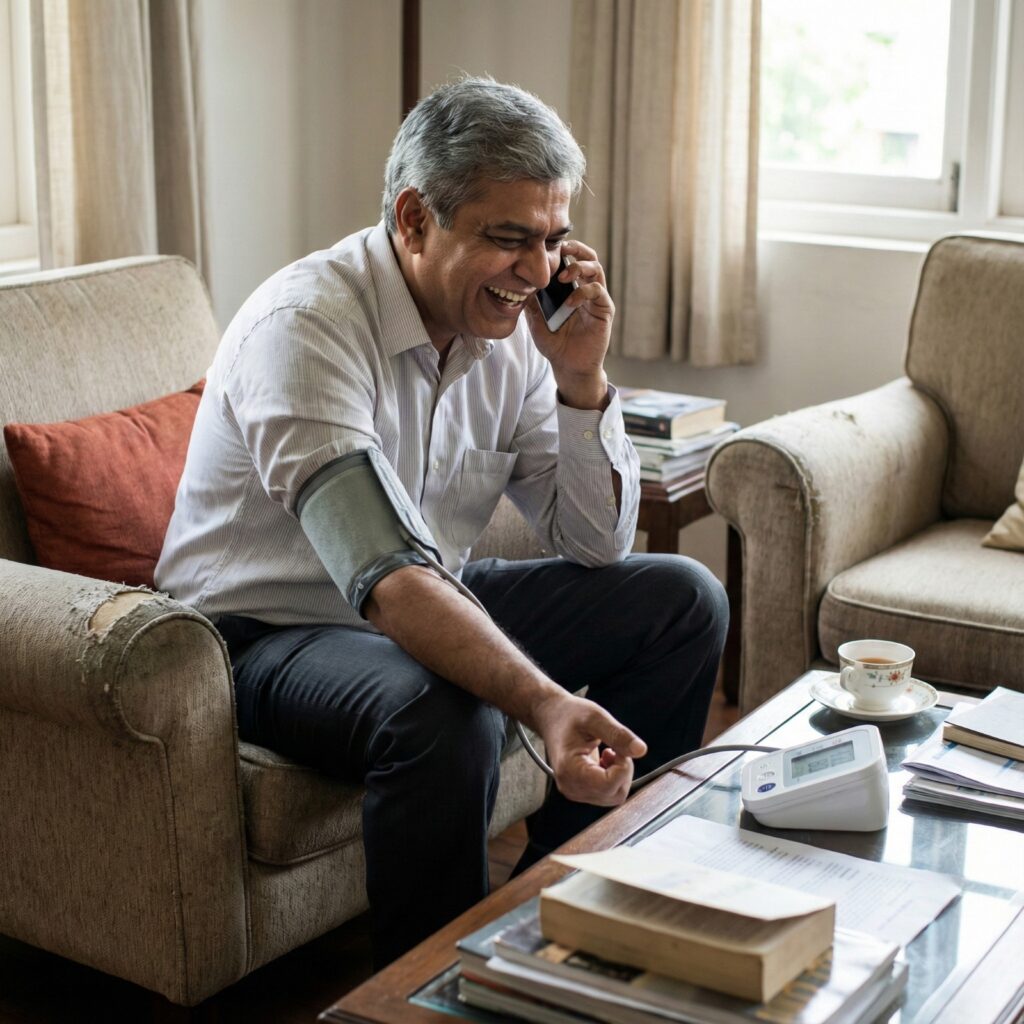
Talking or moving during measurement can increase blood pressure and affect accuracy.
Step 5: Take Two Readings
Measure your blood pressure twice, one minute apart. If the readings differ significantly, take a third reading and record all values.
Step 6: Measure at Consistent Times
Check blood pressure once in the morning before breakfast or medication, and once in the evening before dinner.
Step 7: Monitor Over Several Days
Continue this routine for at least five to seven days. Your doctor will usually rely on the average rather than individual readings when assessing blood pressure control.
Building Better Blood Pressure Habits
Successful blood pressure management is not about chasing perfect numbers—it is about collecting reliable information over time.
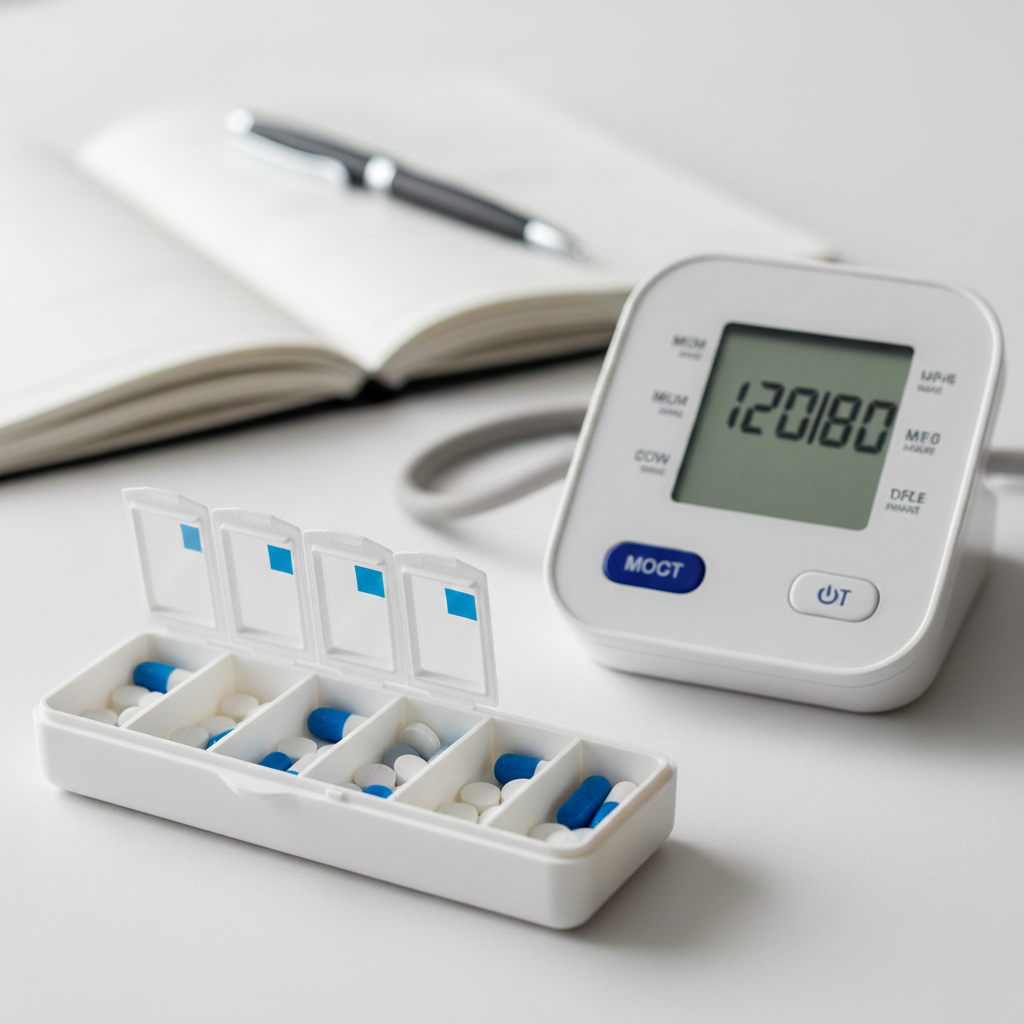
Using the same arm, measuring at consistent times, maintaining a written or digital log, and following the same technique each day creates meaningful trends that help your healthcare provider make informed treatment decisions.
Remember that the goal is not simply to measure blood pressure but to understand it. Reliable home monitoring reduces unnecessary anxiety, prevents inappropriate treatment, and helps identify genuine hypertension early enough to prevent complications affecting the heart, brain, kidneys, and blood vessels.
Frequently Asked Questions
Which blood pressure monitor is most accurate for home use?
A clinically validated upper-arm digital blood pressure monitor is recommended for most adults because it provides the most reliable readings when used correctly.
Are smartwatch blood pressure readings reliable?
Current smartwatch blood pressure measurements are useful for observing trends but are not considered sufficiently accurate for diagnosing or managing hypertension.
Should I buy a wrist blood pressure monitor?
Upper-arm monitors are generally preferred. Wrist monitors are more sensitive to positioning errors and may produce less reliable readings.
How many blood pressure readings should I take?
Take two readings one minute apart. If they differ significantly, take a third reading and record all results.
What is the best time to measure blood pressure?
Measure once in the morning before breakfast and medications, and once in the evening before dinner, unless your doctor advises otherwise.
Do digital blood pressure monitors need calibration?
Most home monitors only require calibration every two to three years or sooner if readings become inconsistent or the device has been damaged.
How long does a home blood pressure monitor last?
With proper care and maintenance, most validated digital monitors remain reliable for approximately three to five years.
Medical Disclaimer
The information provided on this page is intended for educational purposes only and should not replace professional medical advice, diagnosis, or treatment. Blood pressure readings should always be interpreted in the context of your overall health, medical history, and individual cardiovascular risk. Never start, stop, or adjust prescribed medications without consulting your treating physician or qualified healthcare professional. If you experience symptoms such as chest pain, severe headache, sudden weakness, difficulty speaking, vision changes, or breathlessness, seek emergency medical care immediately.