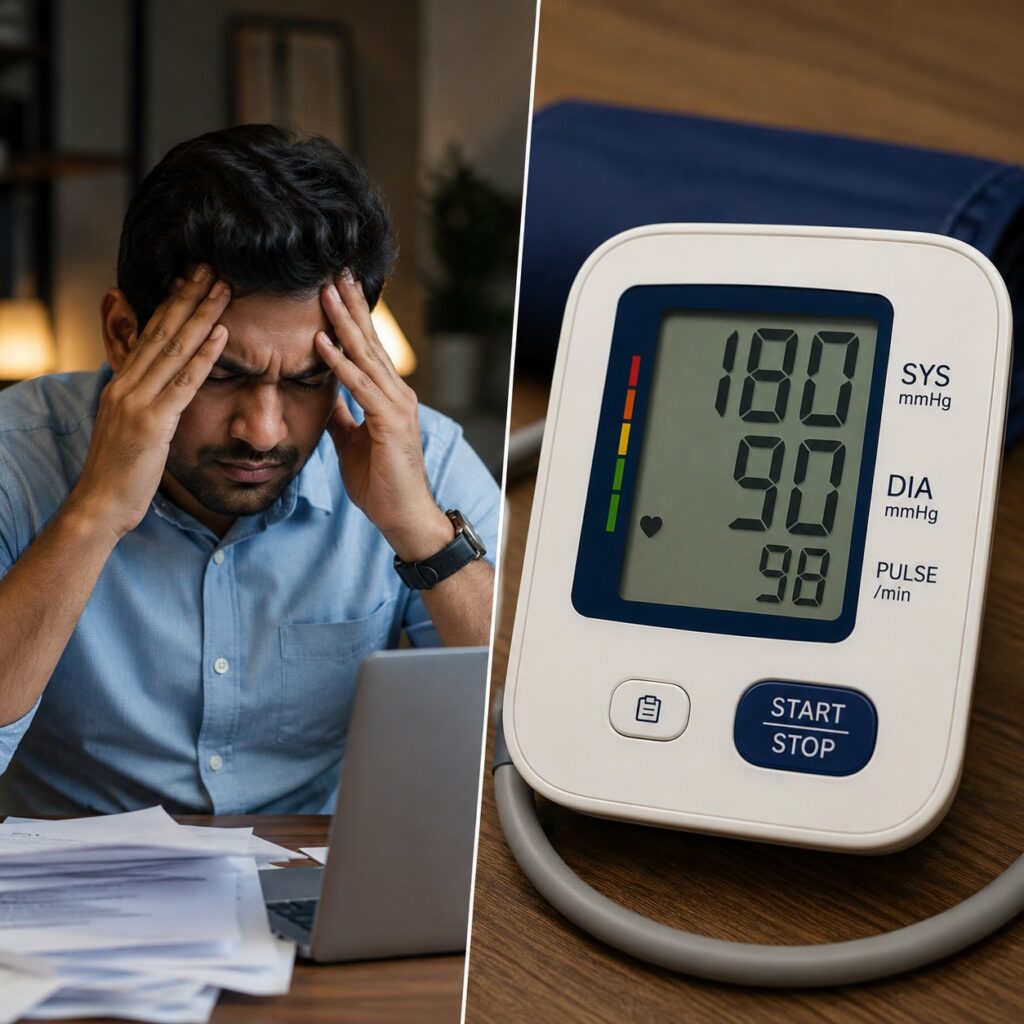
⁠Do You Need BP Medicines Forever? (Hindi)

Dr. Ameya Amonkar
English

Key Takeaways

Blood pressure medicines control hypertension—they do not permanently cure it.
Patients with diabetes, kidney disease, heart disease, or severe hypertension usually require long-term treatment.
Weight loss, reduced salt intake, regular exercise, stress management, and good sleep improve blood pressure control.
Medication tapering should always be gradual and based on regular blood pressure monitoring.

The goal is long-term protection of the heart, brain, kidneys, and blood vessels—not simply stopping tablets.
QUICK SUMMARY
High blood pressure (hypertension) is usually a long-term condition that requires ongoing management rather than a one-time cure. Many people wonder whether they will need blood pressure medicines for life, but the answer depends on the underlying cause, overall health, and commitment to lifestyle changes. Some individuals with mild hypertension may be able to reduce or even stop medications under close medical supervision after achieving sustained weight loss, healthier eating, regular exercise, and good blood pressure control. Others, particularly those with diabetes, kidney disease, heart disease, or long-standing hypertension, often require lifelong medication to reduce the risk of heart attack, stroke, and kidney damage. The safest approach is to view medicines as one part of a comprehensive treatment plan that includes healthy habits, regular monitoring, and partnership with your doctor.

DETAILED LEARNING GUIDE

Understanding Why Blood Pressure Often Returns After Stopping Medicines
Many people assume that once their blood pressure becomes normal, the underlying problem has disappeared. In reality, the improvement usually occurs because the medication is effectively controlling blood pressure. Hypertension is a chronic condition influenced by genetics, ageing, hormones, kidney function, and lifestyle.

Blood pressure medicines help relax blood vessels, reduce excess fluid, and regulate hormones that control blood pressure. When these medicines are stopped suddenly, these biological processes often return to their previous state, causing blood pressure to rise again. This increase may occur without obvious symptoms, making hypertension particularly dangerous because damage to the heart, brain, kidneys, and eyes can continue silently.

Think of medication as an umbrella during heavy rain. The rain has not stopped simply because you remain dry—the umbrella is providing protection.

Not Everyone Needs the Same Long-Term Treatment
Hypertension affects every individual differently, which is why treatment plans must be personalised.

Some people develop mildly elevated blood pressure primarily because of excess weight, high salt intake, physical inactivity, or chronic stress. When these factors are successfully addressed, blood pressure may remain normal with little or no medication.

Others have a combination of lifestyle factors and inherited risk. Even with excellent habits, they may continue to require one or two low-dose medicines to maintain healthy blood pressure.

People with severe hypertension or additional conditions such as diabetes, kidney disease, previous stroke, or heart disease usually benefit from lifelong medication because it substantially reduces the risk of serious complications. For these patients, medicines act as long-term protection rather than temporary treatment.

The goal is always to prescribe the lowest effective dose needed to maintain safe blood pressure.

Lifestyle Changes Can Make a Remarkable Difference
Healthy lifestyle changes remain the foundation of hypertension management, regardless of whether medicines are required.

Losing excess body weight reduces the workload on the heart and often lowers blood pressure. Regular physical activity improves blood vessel flexibility and reduces stress hormones. Reducing daily salt intake helps the body eliminate excess fluid, decreasing pressure within the arteries.

Other equally important habits include:

  • Eating a balanced diet rich in fruits, vegetables, whole grains, and legumes.
  • Limiting processed and packaged foods.
  • Sleeping 7–8 hours every night.
  • Managing stress through meditation, yoga, deep breathing, or mindfulness.
  • Avoiding tobacco and limiting alcohol consumption.

These measures may reduce blood pressure significantly and often enhance the effectiveness of prescribed medicines.

When Can Blood Pressure Medicines Be Reduced?
Medication reduction is possible only for carefully selected individuals and always under medical supervision.

Doctors first confirm that blood pressure has remained consistently controlled for several months using home blood pressure readings and, in some cases, 24-hour ambulatory blood pressure monitoring. They also evaluate kidney function, heart health, and other risk factors.

If everything remains stable, medicines are usually reduced one at a time while blood pressure is monitored closely over several weeks. This gradual approach allows doctors to identify whether blood pressure remains controlled or whether treatment should continue.

Even after successful medication reduction, ongoing lifestyle measures and regular blood pressure monitoring remain essential because hypertension can recur over time.

Why Stopping Medicines Suddenly Can Be Dangerous
One of the most common mistakes is discontinuing blood pressure medicines without medical advice simply because recent readings appear normal.

Sudden withdrawal may cause blood pressure to rise rapidly, increasing the risk of stroke, heart attack, heart failure, and kidney injury. Certain medicines, particularly beta-blockers, require gradual dose reduction because abrupt discontinuation can lead to rebound increases in heart rate and blood pressure.

The safest approach is to work with your healthcare provider whenever treatment adjustments are being considered. Restarting medication if blood pressure rises again should never be viewed as failure—it is simply part of maintaining long-term cardiovascular health.

Remember, the objective is not to become medicine-free at any cost but to remain healthy while minimising future complications.

Long-Term Success Depends on Partnership, Not Perfection
Managing hypertension is a lifelong commitment rather than a short-term project. While medicines play an important role, they work best alongside healthy daily habits and regular follow-up.

Home blood pressure monitoring allows early detection of rising readings before complications develop. Routine follow-up visits help ensure medicines remain appropriate and allow timely adjustments if needed.

Rather than asking, “How soon can I stop my tablets?” a more helpful question is, “What can I do to keep my blood pressure under the best possible control?”

For many people, this balanced approach leads to fewer medicines, better quality of life, and a substantially lower risk of heart disease, stroke, kidney failure, and other serious complications.

FREQUENTLY ASKED QUESTIONS

Can blood pressure medicines ever be stopped?
Some people with mild hypertension may be able to reduce or stop medicines after sustained lifestyle improvement and consistently normal blood pressure under medical supervision.

Why does my blood pressure increase after stopping medication?
The medicine controls the biological processes responsible for high blood pressure. Removing that control often allows blood pressure to rise again.

Is it safe to stop medicines if my blood pressure is normal?
No. Normal readings usually indicate that the treatment is working. Never stop medication without consulting your doctor.

Can losing weight reduce my need for medication?
Yes. Weight loss, regular exercise, and reduced salt intake may lower blood pressure enough for some patients to reduce medication under supervision.

Which patients usually need lifelong blood pressure medicines?
People with severe hypertension, diabetes, chronic kidney disease, previous stroke, heart disease, or significant cardiovascular risk often require long-term treatment.

How long should blood pressure remain controlled before considering medication reduction?
Doctors usually look for several months of consistently normal readings along with sustained lifestyle improvements before discussing medication tapering.

What happens if blood pressure rises again after reducing medication?
Your doctor may recommend restarting or adjusting medication. This is common and helps maintain long-term protection.

MEDICAL DISCLAIMER
The information provided on HG Cardiowise is intended solely for educational purposes and should not replace professional medical advice, diagnosis, or treatment. Every patient is different, and treatment decisions should always be made in consultation with a qualified healthcare professional. Never start, stop, or change any prescribed medication without your doctor’s guidance. If you experience symptoms such as severe chest pain, sudden weakness, difficulty speaking, severe headache, or loss of consciousness, seek emergency medical care immediately.

Downloadable Resource

Blood Pressure Control Guide

8 Pages-PDF
Download our practical guide covering home blood pressure monitoring, healthy lifestyle strategies, medication safety, and questions to discuss with your doctor.

Who Should Watch This Video?

Adults recently diagnosed with high blood pressure

People already taking blood pressure medicines

Individuals hoping to reduce medication safely

Patients with diabetes or kidney disease

Related Videos

New videos every week!

Subscribe to get heart health tips and new videos straight to your inbox.

✉ Subscribe Now

New to Cardiowise?

Start your journey to a healthier heart with trusted videos, expert tips and practical guidance.

▷ Explore Now
Scroll to Top