

Blood pressure may be the most measured number in modern medicine — and also the most misunderstood. It is written on clinic files, flashed on digital monitors, shared anxiously on family WhatsApp groups, and debated endlessly on internet forums. A single reading has the power to reassure, alarm, or completely derail someone’s day. Yet, despite its ubiquity, blood pressure is rarely understood in the way it deserves to be.
Most people are taught to see blood pressure as a verdict. A score. A pass or fail. If the number is “normal,” we relax. If it is “high,” panic follows — often immediately. But blood pressure does not work like an exam result.
A Living Number, Not a Fixed Label
Blood pressure is not a static label. It is a living, breathing physiological response, constantly adjusting to the demands placed on the body. Every heartbeat, every emotion, every movement changes it. Blood pressure rises when you climb stairs, rush for a meeting, argue, feel anxious, experience pain, drink coffee, or even talk while the measurement is being taken. It falls during sleep, relaxation, deep breathing, and quiet moments of rest.
In other words, variation is normal. Fluctuation is expected. A single number, taken out of context, tells us very little about long-term risk. This is where most confusion — and fear — begins.
Patterns Matter More Than Isolated Readings
A person sees a reading of 150/90 once, often during stress or illness, and is convinced they have lifelong hypertension. Another ignores repeated borderline readings because “today it was normal.” Both approaches miss the real point. What matters in blood pressure is pattern, not punctuation.
As a cardiologist, I am far less interested in one isolated reading than I am in how blood pressure behaves over time — across days and weeks, in clinics and at home, during activity and during sleep. Equally important is whether elevated readings are quietly affecting vital organs like the heart, brain, kidneys, or eyes. Two people can have the same blood pressure number and yet carry very different levels of risk. A young individual with no other risk factors and occasional stress-related spikes does not need to be viewed the same way as someone with diabetes, long-standing borderline readings, and early heart changes — even if the numbers on paper look similar
“Blood pressure is not a verdict. It is a pattern — and patterns are understood over time, not in a single moment.”
From Chasing Numbers to Understanding Risk
This is why modern blood pressure care has moved beyond chasing numbers. Today, we focus on:
- Trends rather than single values
- Out-of-office measurements, such as home BP and ambulatory monitoring
- Overall cardiovascular risk, not just one parameter
- Individualised targets, rather than rigid cut offs
When blood pressure management is done properly, it should feel calm and methodical, notreactive or fear-driven. Unfortunately, anxiety itself often becomes the hidden problem. patients begin checking their BP repeatedly — several times a day, under stress — and each high reading fuels more anxiety, which in turn pushes the numbers higher.A vicious cycle is created, where the act of measuring becomes the cause of the elevation. This is not good medicine. And it is not good for the heart.
Understanding blood pressure properly allows us to replace fear with perspective. It allows us to ask better questions:
- Is this elevation consistent or situational?
- Is it sustained or temporary?
- Is it harmful — or simply a normal response?
- Does it need treatment now, or just observation and lifestyle correction?
This article is not about ignoring blood pressure. And it is certainly not about dismissing its importance.High blood pressure remains one of the most powerful and preventable risk factors for heart disease and stroke. But managing it well requires understanding the story behind the number, not reacting to the number alone. Because in cardiology — and in life — context matters far more than a single reading.
Blood Pressure, in Simple Terms:
- A single BP reading does not define your health
- Blood pressure naturally rises and falls through the day
- What matters is trend, context, and overall risk
- Home and ambulatory readings are often more useful than clinic numbers
- Treating BP should be calm, individualised, and evidence-based
QUICK QUIZ
Answer True or False
1️⃣ A single high BP reading confirms hypertension
2️⃣ BP is usually lower during sleep
3️⃣ Home BP readings are often more reliable than clinic readings
4️⃣ Stress and anxiety can temporarily raise BP
5️⃣ Target BP is the same for everyone
👉 Answers at the end of the newsletter
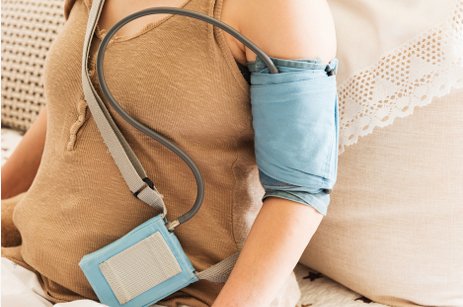
Ambulatory BP Monitoring (ABPM)
Ever noticed that your blood pressure seems fine at home but high in the clinic — or the opposite? Ambulatory Blood Pressure Monitoring, or ABPM, helps solve this confusion by showing how your blood pressure behaves throughout an entire day and night, not just at one moment. Think of it as a day-long BP diary created automatically by your body.
What is ABPM?
ABPM is a simple, non-invasive test where you wear a portable blood pressure monitor for 24 hours.
- A BP cuff is placed on your arm and connected to a small device worn on your belt or shoulder
- The machine measures BP automatically:
Every 20–30 minutes during the day
Every 30–60 minutes at night
- You go about your normal daily routine — work, meals, walking, sleep
The goal is to see how your blood pressure behaves in real life, not just in a clinic setting.
Why is ABPM so important?
Most BP readings are taken at a single point in time — often when you’re anxious, rushed, or uncomfortable. ABPM answers much deeper questions:
- Is your BP consistently high, or only occasionally elevated?
- Does it rise mainly in clinics (white-coat hypertension)?
- Is it normal in the clinic but high at home (masked hypertension)?
- Does your BP fall normally during sleep — or stay high?
This information is often more accurate and more meaningful than clinic readings alone.
A single BP reading is a snapshot. ABPM is the full story.
What Does ABPM Measure?
ABPM provides several crucial insights:
- Average Daytime BP
Reflects BP during activity and stress
- Average Night-time BP
One of the strongest predictors of heart and stroke risk
- Nocturnal Dipping Pattern
Healthy BP should drop by 10–20% during sleep. Lack of dipping signals higher cardiovascular risk
- BP Variability
Large swings may indicate stress, poor control, or autonomic imbalance
Who Should Consider ABPM?
ABPM is especially useful for:
- People with fluctuating or inconsistent BP readings
- Suspected white-coat hypertension
- Suspected masked hypertension
- Patients with diabetes, kidney disease, or heart disease
- Those with BP that remains high despite medication
- Individuals with high morning BP readings
- Anyone where the diagnosis of hypertension is unclear
In many cases, ABPM prevents unnecessary lifelong medication — or confirms when treatment is truly needed.
How Does ABPM Change Treatment Decisions?
ABPM often leads to better, calmer decisions:
✔ Confirms whether treatment is required
✔ Helps choose the right medication timing (morning vs night)
✔ Identifies night-time hypertension that clinic BP misses
✔ Avoids overtreatment in anxiety-driven BP spikes
In short, it helps doctors treat the patient — not just the number.
What Should You Do During the Test?
For best results:
- Follow your usual routine
- Keep your arm still during measurements
- Avoid excessive checking of the device
- Maintain a simple activity and sleep log
Minor discomfort or sleep disturbance can occur, but the information gained is often invaluable.

Question: Doctor, my blood pressure is always higher in the clinic than at home. Should I trust the home readings or the clinic readings?
Answer: This is extremely common, and in most cases, home readings deserve serious attention. Many people experience a temporary rise in blood pressure in medical settings due to anxiety, unfamiliar surroundings, or fear of bad news — what we call white-coat effect. In such situations, clinic readings may overestimate your usual blood pressure.
Home readings, when taken correctly and recorded over several days, often reflect your true day-to-day blood pressure more accurately. That said, home readings are useful only if:
- The BP machine is validated
- The cuff size is appropriate
- Readings are taken at rest
- Multiple readings are averaged, not cherry-picked
In patients where there is still uncertainty, a 24-hour ambulatory BP monitor helps settle the question objectively. The key message is simple: we don’t choose one reading over another blindly — we look at patterns, consistency, and context before making decisions.
| QUIZ ANSWERS |
| 1. False 2. True 3. True 4. True 5. False |
Editor’s Note

Dr. Amya Amonkar
Specialist

Download This Issue
“How to Measure Blood Pressure Correctly at Home” Best time to measure BP Correct posture and cuff placement How many readings to take Common mistakes to avoid