

Most people view sleep as a passive pause between days. But from the perspective of your heart, sleep is an active period of vital cardiovascular repair.
Every night, a remarkable transition occurs: heart rate slows, blood pressure falls, stress hormones decline, and blood vessels relax. The body shifts from performance mode to recovery mode. Sleep is the heart’s maintenance window— and problems begin when that window is shortened, interrupted, or repeatedly skipped.
The Healthy Heart Sleeps Differently
A healthy heart behaves differently at night than it does during the day. Bloood pressure is not meant to remain constant over 24 hours; in healthy individuals, it falls by 10–20% during sleep. This phenomenon is known as nocturnal dipping.
This nightly decline is protective, reducing vascular stress and decreasing the heart's workload. When this dipping pattern disappears, cardiovascular risk rises significantly. Patients whose blood pressure remains elevated throughout the night carry a much higher risk of heart disease, stroke, and long-term vascular damage. The body requires a period of biological quiet. Sleep is that period.
When Sleep Is Cut Short
Imagine running a factory continuously without shutting down for maintenance. Eventually, efficiency falls, wear accumulates, and small problems become structural failures.
When sleep is consistently short or fragmented, the body perpetuates a state of heightened alertness. Stress hormones stay elevated, the nervous system locks into overdrive, and blood pressure refuses to drop. The biological brakes never fully engage. While one poor night rarely causes lasting harm, chronic sleep deprivation shifts your biology in the wrong direction, leading to:
- Higher blood pressure and a greater risk of clinical hypertension
- Insulin resistance and type 2 diabetes
- Metabolic disruption triggering weight gain and increased cravings
- Accelerated lifetime cardiovascular risk
Small Habits That Quietly Protect the Heart
The Metabolic Crosstalk & Blood Pressure Link
Many people struggling with weight focus entirely on food and exercise, but sleep quietly dictates the success of both. Restricted sleep disrupts the hormones regulating hunger and satiety, causing appetite to spike and food choices to worsen. Simultaneously, cells become less efficient at handling glucose, linking poor sleep directly to worsening metabolic health. These consequences follow us directly into the clinic. When a patient's blood pressure remains elevated despite optimal medication, we routinely review salt, exercise, and weight. Yet sleep is frequently overlooked.
For many, the missing diagnosis is obstructive sleep apnea. Loud snoring, morning headaches, daytime fatigue, and resistant hypertension are clear clues that the airway is collapsing at night. When breathing repeatedly stops, the heart is violently jerked out of recovery mode—forced to work the exact high-stress night shift it was never meant to endure.
Rhythm Over Chaos
Sleep quality and regularity matter just as much as total hours. Sleeping seven hours at wildly unpredictable times throws the internal circadian clock into chaos—a phenomenon known as social jetlag. The heart prefers rhythm. Not chaos.
The Real Takeaway
We often think of cardiovascular health as something built exclusively in the gym, the kitchen, or the clinic. In reality, some of the most critical cardiovascular work happens entirely in the dark.
While you sleep, your blood vessels recover, your nervous system recalibrates, and your heart slows down to prepare for another day. The question is not whether sleep matters, but whether we give it the clinical importance it deserves. Every night, your heart counts on those hours to do its vital maintenance work. And unlike advanced medical therapies, it is entirely free of charge. Every single night.
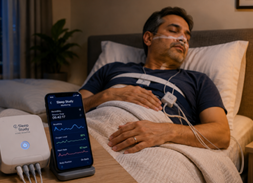
Home Sleep Study
Many people with sleep apnea do not realize they have it. A home sleep study is a simple test performed in your own bedroom that records breathing, oxygen levels, heart rate, and sleep-related events overnight. It helps answer important questions:
✔ Am I snoring harmlessly—or do I have sleep apnea?
✔ Is my poor sleep affecting my BP?
✔ Could sleep apnea be increasing my cardiovascular risk?
For many patients with resistant hypertension, a sleep study provides the missing answer.
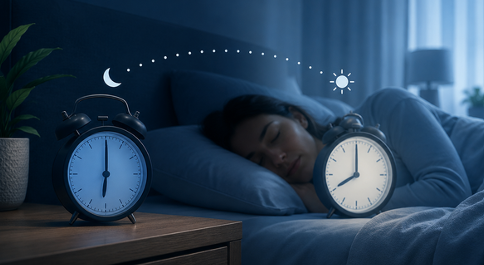
Sleep Debt Trap
Many people sleep too little during the week and try to “catch up” on weekends. The good news? Newer research suggests that additional weekend sleep may be better than remaining chronically sleep deprived all week. In other words, some recovery sleep appears better than none.
However, weekend sleep is not a perfect reset button. Your body still experiences several days of elevated stress hormones, impaired glucose handling, and reduced cardiovascular recovery before the weekend arrives. Think of it like missing exercise all week and doing one long workout on Sunday. It helps—but it doesn’t completely replace consistent healthy habits.
The Goal
✔ Adequate sleep most nights
✔ A reasonably consistent sleep schedule
✔ Weekend recovery when needed—not as a long-term strategy
“Weekend catch-up sleep can help—but consistency is the heart’s preferred strategy.”
What About Night Shift Workers?
Not everyone can sleep according to the natural day–night cycle. Healthcare workers, pilots, emergency responders, factory workers, and security personnel often work through the night and sleep during the day. This creates a challenge because the body is naturally programmed to be awake during daylight and asleep at night. Long-term shift work has been associated with:
✔ Higher blood pressure
✔ Weight gain and metabolic dysfunction
✔ Increased risk of diabetes
✔ Poor sleep quality
✔ Higher cardiovascular risk
The good news? Night workers are not doomed— they simply need to protect sleep more deliberately.
Practical Tips
✔ Keep a consistent sleep schedule whenever possible
✔ Wear sunglasses during the commute home after a night shift to reduce light exposure
✔ Use blackout curtains and a cool, quiet bedroom
✔ Limit caffeine during the final hours of the shift
✔ Avoid heavy meals immediately before sleep
✔ Prioritize a protected sleep block over multiple fragmented naps

Question: Doctor, I sleep six hours and feel completely fine. Does that mean my sleep is adequate?
Answer: Not necessarily. The body can adapt surprisingly well to chronic sleep deprivation, which means people often stop noticing how tired they truly are. Feeling “used to it” is not always the same as being well rested. While sleep needs vary between individuals, most adults function best with around 7–9 hours of good-quality sleep. What matters is not only how you feel during the day, but also how your body responds over time. Persistent short sleep has been associated with higher blood pressure, metabolic dysfunction, weight gain, and increased cardiovascular risk— even in people who believe they are functioning normally.
So how do you know if your body is merely coping rather than thriving? Some clues include:
✔ Needing an alarm every morning and still feeling unrefreshed
✔ Excessive sleepiness on weekends or holidays
✔ Afternoon energy crashes
✔ Increasing dependence on caffeine to stay alert
✔ Difficulty controlling blood pressure, weight, or blood sugar despite other healthy habits
✔ Falling asleep quickly whenever given the opportunity
None of these proves inadequate sleep on its own, but together they may suggest that your body needs more recovery than it is receiving. The question is not simply: "Can I get by on this amount of sleep?" The better question is: "Am I functioning at my best on it?"
Editor’s Note

Dr. Amya Amonkar
Specialist

Download This Issue
Better Sleep for Better Blood Pressure Includes: ✔ Sleep hygiene checklist ✔ Bedroom optimization guide ✔ Evening routine planner ✔ Sleep apnea warning signs