The Symptoms That Whisper Before They Scream
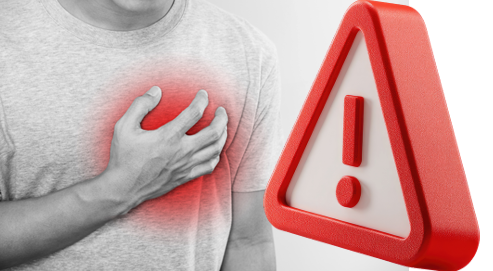
When people imagine a heart attack, they picture drama. A man clutching his chest. Sudden collapse. An ambulance siren. Reality is often quieter. Most heart attacks do not begin like cinema. They begin like confusion. A mild pressure. A burning sensation. A heaviness mistaken for acidity. Fatigue that feels “unusual.”Discomfort that lingers — but doesn’t seem urgent. And that is where danger begins.
The Problem With Subtle Symptoms
The heart muscle does not have pain fibers like skin does. It sends distress signals indirectly — through pressure, tightness, heaviness, or radiation. Many patients describe:
- Gas-like” discomfort
- Indigestion that doesn’t improve
- Upper back heaviness
- Jaw pain
- Left arm discomfort
- Unexplained sweating
- Sudden fatigue
- Breathlessness without chest pain
The most dangerous heart attacks are often the ones people try to rationalize.“It’s just acidity.”“I ate late.”“It’s stress.”“Let me sleep — it will pass." Sometimes, it does pass. Sometimes, heart muscle dies silently while waiting.
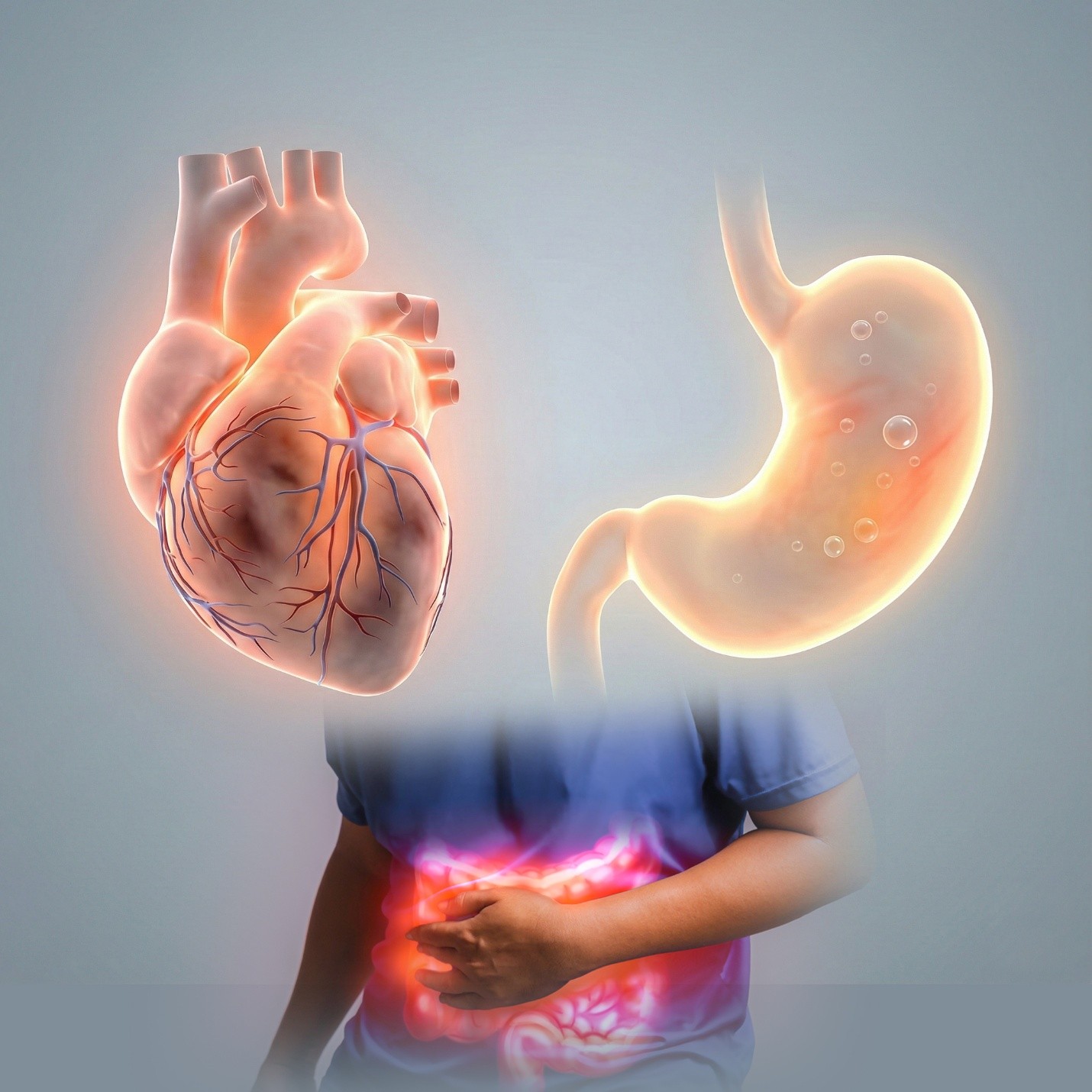
Why Heart Attack Feels Like Acidity
The heart and stomach share nerve pathways. Pain from the lower part of the heart (inferior wall) often radiates to Upper abdomen, Epigastric region and Back. Especially in Indian patients, the most common phrase I hear is: “Doctor, I thought it was gas.” In fact, many patients first take antacids. The difference?
| Acidity | Heart Attack |
| Often burning | Often pressure/heaviness |
| Changes with posture | Persistent |
| Improves with antacid | Persistent |
| No sweating | Often sweating |
| No breathlessness | May have breathlessness |
But here is the uncomfortable truth: You cannot reliably distinguish the two at home. When in doubt — treat it as cardiac.
“Heart attacks are often subtle before they are catastrophic. Delay does not make them smaller — it makes them deadlier.”
The Window That Saves Muscle
A heart attack is in essence, a plumbing emergency. A clot blocks a coronary artery. The muscle downstream starts dying. Every minute counts.
- Within 20–30 minutes → irreversible damage begins
- Within 6 hours → significant muscle loss
- Earlier opening = smaller scar
This is why we repeat: “Time is muscle.” Waiting to see “if it settles” can convert a small attack into heart failure later. When symptoms are recognised early and treatment is given quickly, modern therapies — including emergency angioplasty — can often restore blood flow and save a remarkable amount of heart muscle.
In many cases, the difference between a patient who returns to normal life and one who develops long-term heart weakness is measured not in years, but in hours of delay. And that is why recognising early warning signs is so important. Because in heart attacks, the body rarely shouts first. It usually whispers. The question is whether we recognise the whisper in time.
Don’t Ignore: Act Fast
- Early heart attack signs are often subtle
- Gas-like discomfort can be cardiac
- Sweating + breathlessness + pressure = red flag
- Symptoms lasting >15–20 minutes need evaluation
- Never drive yourself to hospital
- Call for help immediately

Question: Doctor, if I rush to the hospital and it turns out not to be a heart attack, won’t I look foolish?
Answer: Not at all. In cardiology, we would always prefer to evaluate ten patients whose symptoms turn out to be harmless rather than miss the one person who is actually having a heart attack. Emergency departments exist precisely for this reason — to quickly identify serious problems and safely rule them out when they are not present. No doctor considers it a waste of time when someone seeks help for concerning chest discomfort.
The real risk is the opposite: waiting too long. Many patients delay because they think it is acidity, stress, or something minor. They take antacids, rest, or decide to see if it improves.Unfortunately, if the cause is a blocked coronary artery, those lost hours can mean permanent heart muscle damage.
When someone comes to the hospital with suspicious symptoms, we evaluate them systematically — with a clinical history, an ECG, and blood tests such as troponin. In most cases, we can clarify the situation fairly quickly. If the tests turn out normal, that is good news — not an embarrassment.
My advice is simple: if chest discomfort, pressure, sweating, or breathlessness lasts more than 15 20 minutes, seek medical attention. It is far better to be told that everything is fine than to arrive late after heart muscle has already been lost.
 DIAGNOTICS SPOTLIGHT
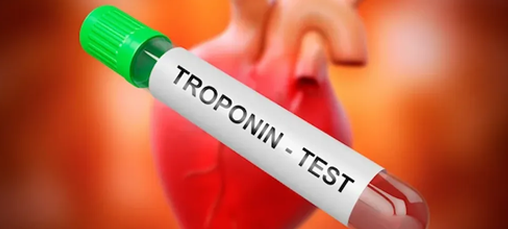
The Troponin Test
The Blood Marker That Detects Heart Muscle Injury
When someone comes to the emergency room with chest discomfort, doctors ask three critical questions:
1.What are the symptoms?
2.What does the ECG show?
3.What does the Troponin test reveal?
Together, these three pieces form the foundation of heart attack diagnosis. Let’s understand the most important of them — Troponin.
What Is Troponin?
Troponin is a protein found inside heart muscle cells. It helps the heart contract. Under normal circumstances, troponin stays locked inside the heart muscle. But when heart cells are injured — due to blocked blood flow — they leak troponin into the bloodstream.
The blood test measures that leak. If troponin rises, it signals heart muscle injury.
What Happens During a Heart Attack?
- A cholesterol plaque ruptures
- A clot forms
- Blood flow stops
- Heart muscle is deprived of oxygen
- Cells begin to die
- Troponin leaks into the bloodstream.
The larger the area affected, the higher the troponin. But early treatment can limit how much muscle dies. That is why timing matters.
Troponin Timeline
A normal troponin immediately after symptom onset does NOT always rule out a heart attack. Doctors often repeat the test after 2–3 hours to check for a rising pattern. In cardiology, change matters more than a single value.
What Is High-Sensitivity Troponin?
Modern hospitals use high-sensitivity troponin (hs-Troponin). It can detect:
- Very small injuries
- Earlier changes
- Lower-risk patients safely
But greater sensitivity means careful interpretation is required. Not every elevation equals a classic artery-block heart attack.
Troponin + ECG: Why Both Matter
The ECG shows electrical changes in the heart. Troponin shows chemical evidence of muscle injury. Both together give clarity. Neither should be interpreted alone.
| ECG | Troponin | Meaning |
| ST Elevation | High | Classic STEMI (complete blockage) |
| Normal ECG | Rising Troponin | NSTEMI (partial blockage or evolving event) |
| Normal ECG | Normal Troponin | Likely not heart attack (if timing appropriate) |
Can Troponin Be Elevated Without a Heart Attack?
Yes. Troponin indicates heart muscle injury — not necessarily blocked arteries.
DECODING DIAGNOSTICS: Troponin
This is why doctors interpret troponin along with: Symptoms, ECG, Clinical history and Imaging. Troponin is powerful — but never standalone.
Common Myths About Troponin
- “If troponin is normal once, I’m safe.” → Not always. Timing matters.
- “If troponin is high, it must be a massive heart attack.”→ Not necessarily. Magnitude varies.
- “If ECG is normal, troponin cannot be high.”→ Incorrect. NSTEMI exists.
- “Troponin rising means surgery is needed.”→ Treatment depends on the cause and stability.
Troponin is..
- A blood test that detects heart muscle injury
- Essential in diagnosing heart attack
- Time-sensitive
- Interpreted with ECG and symptoms
- One of the most important emergency cardiac tests
Editor’s Note

Dr. Amya Amonkar
Specialist
Download This Issue
Early Warning Signs of Heart Attack You Should Never Ignore A cardiologist explains what truly matters.