




Does Walking Lower BP?

Dr. Ameya Amonkar
Lifestyle

Key Takeaways

Regular brisk walking can lower systolic blood pressure by approximately 5–8 mmHg.
Purposeful exercise walking is more effective than casual daily movement.
You do not need exactly 10,000 steps a day to improve heart health.
Walking improves artery flexibility, lowers stress hormones, and helps control blood sugar.
Japanese interval walking may provide additional cardiovascular benefits.

QUICK SUMMARY
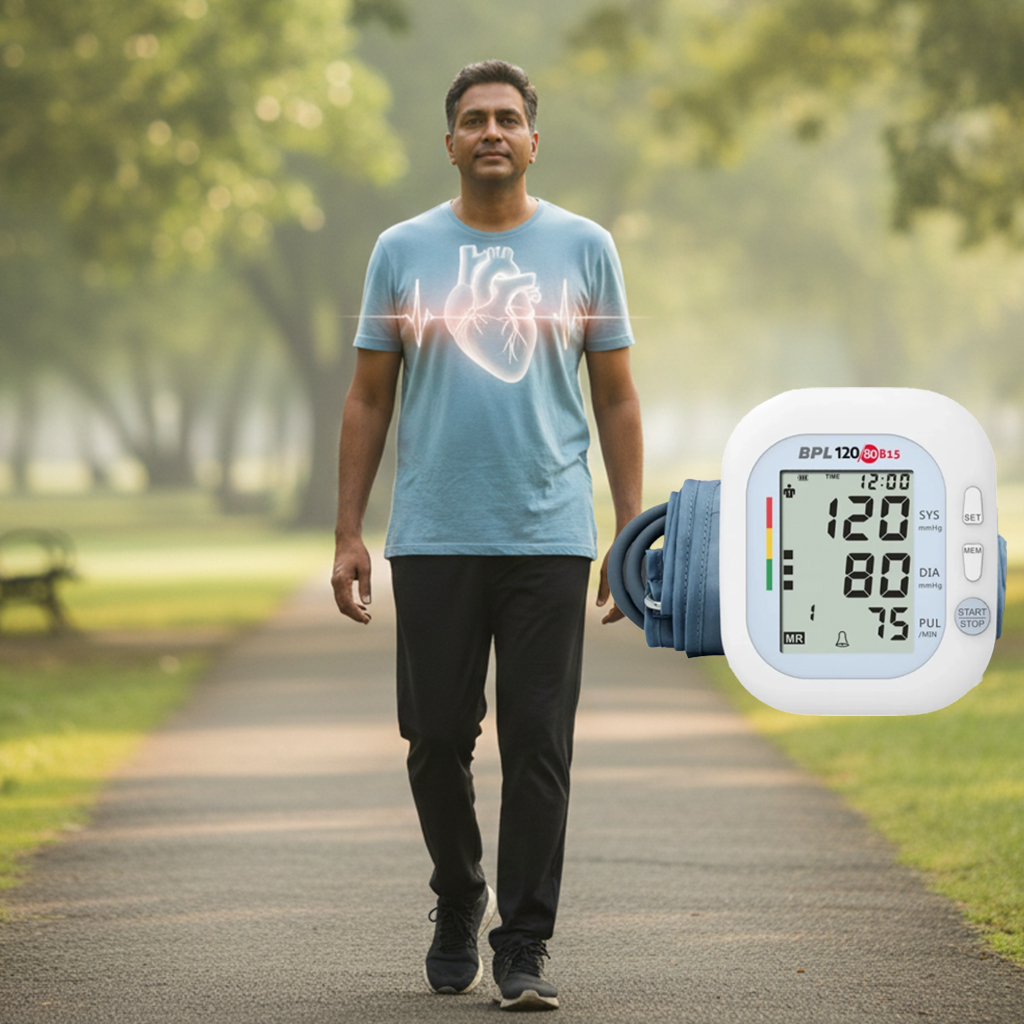
Walking is one of the simplest, safest, and most effective ways to lower blood pressure naturally. Research shows that regular brisk walking can reduce systolic blood pressure by 5–8 mmHg, an effect comparable to some blood pressure medications. However, not all walking is equally beneficial. Casual movement throughout the day is healthy, but structured brisk walking provides the cardiovascular training needed to improve blood vessel function, reduce stress hormones, and enhance overall heart health.

Contrary to popular belief, you do not need to achieve 10,000 steps daily to gain meaningful benefits. Most adults can improve blood pressure by aiming for 150 minutes of brisk walking each week. Whether you choose brisk walking, interval walking, power walking, or incline walking, consistency matters far more than perfection. The key is making purposeful movement a regular part of your lifestyle.

DETAILED LEARNING GUIDE

Why Walking Is One of the Best Exercises for Blood Pressure
Walking is often underestimated because it feels simple. Yet it remains one of the most powerful lifestyle interventions for high blood pressure. When you walk at a brisk pace, your muscles require more oxygen, prompting your heart to pump more efficiently and your blood vessels to widen. Over time, this improves circulation and reduces resistance within the arteries.

Research consistently demonstrates that regular brisk walking can lower systolic blood pressure by approximately 5–8 mmHg. This reduction is clinically meaningful and can contribute to a lower risk of heart attack, stroke, and kidney disease. Walking also helps reduce stress hormones such as adrenaline and cortisol, both of which can contribute to elevated blood pressure.

In addition, walking improves insulin sensitivity and blood sugar control, particularly important in India where diabetes and hypertension frequently occur together. A daily walk is not merely movement—it is an investment in healthier blood vessels and a stronger cardiovascular system.

Why Casual Walking Is Not Always Enough
Many people assume that all walking provides the same benefits. While everyday movement is certainly better than being sedentary, casual strolling around the house, office, or shopping mall may not be enough to significantly lower blood pressure.

For walking to function as structured exercise, it must challenge the cardiovascular system. A useful rule is the “talk test.” During effective brisk walking, you should be able to carry on a conversation but find it difficult to sing. Your breathing should be faster, your heart rate should rise, and you may feel mildly warm or sweaty.

For most adults, this level of effort corresponds to approximately 60–80% of their age-predicted maximum heart rate. This moderate intensity stimulates beneficial adaptations within the heart and blood vessels that casual movement typically does not achieve. Daily movement is valuable, but purposeful walking is what delivers measurable blood pressure benefits.

The Truth About the 10,000 Steps Myth
Few fitness goals are as popular as the famous 10,000-step target. Many people are surprised to learn that this number did not originate from medical research. Instead, it emerged from a Japanese pedometer marketing campaign in the 1960s and later became widely adopted around the world.

Modern research tells a more nuanced story. Significant health benefits begin at much lower activity levels. Studies suggest that cardiovascular and mortality benefits often start around 4,000 to 5,000 steps per day, with substantial gains occurring up to approximately 7,000 to 8,000 steps daily.

For many urban Indians, reaching 6,000 to 8,000 purposeful steps per day is both realistic and highly beneficial. Rather than becoming obsessed with hitting a specific number, focus on making your steps meaningful. Quality, consistency, and intensity matter far more than chasing an arbitrary target.

Brisk Walking: The Foundation of a Heart-Healthy Routine
Brisk walking remains the most practical and evidence-based walking strategy for most people. Typically performed at a speed of 5–6 km per hour, brisk walking raises the heart rate enough to improve cardiovascular fitness while remaining accessible to beginners and older adults.

Aim for 20–30 minutes per session, five days per week. This approach aligns with international and Indian exercise recommendations for blood pressure management. The benefits accumulate gradually, improving vascular function, lowering stress levels, supporting weight management, and enhancing endurance.

Because brisk walking is low-impact and requires no special equipment beyond comfortable shoes, it is often easier to maintain long term than more intense exercise programs. Consistency is ultimately what produces lasting improvements in blood pressure control.

Exploring Advanced Walking Techniques
Once brisk walking becomes a habit, some individuals may wish to increase intensity or variety. Several evidence-based walking techniques can provide additional cardiovascular benefits.

Japanese interval walking alternates periods of brisk walking with slower recovery walking. A common format involves three minutes of faster walking followed by three minutes at an easier pace, repeated for 30 minutes. This style may improve fitness, blood pressure, and blood sugar control more effectively than continuous moderate walking.

Power walking incorporates purposeful arm movement, improved posture, and a faster pace. This increases calorie expenditure and cardiovascular demand without requiring running. Incline walking, whether on hills or treadmill inclines, further increases intensity while strengthening the lower body. However, individuals with arthritis or joint problems should approach incline walking cautiously.

How to Start a Walking Program Safely
If you have been inactive for some time, begin gradually. Starting with 10–15 minutes daily is often sufficient. Two shorter walks after meals can also help improve blood sugar control and support blood pressure management.

Increase your walking duration by approximately five minutes each week until you reach at least 150 minutes of moderate-intensity walking per week. Remember to include a brief warm-up and cool-down period to allow your heart and muscles to adjust safely.

Choose comfortable walking shoes, stay hydrated, and avoid exercising during extreme heat. Early morning or evening walks are often ideal in many parts of India. Most importantly, pay attention to warning signs such as chest pain, severe breathlessness, dizziness, or unusual fatigue. If these symptoms occur, stop exercising and seek medical advice.

Making Walking a Sustainable Lifestyle Habit
The best exercise is not necessarily the most intense—it is the one you continue doing consistently. Walking offers a unique advantage because it can be integrated into daily life without special equipment, gym memberships, or complex training plans.

Many people find it easier to stay motivated when walking with friends, family members, or community groups. Others enjoy listening to music, podcasts, or practicing mindful walking by focusing on breathing and surroundings. These approaches not only improve adherence but may also reduce stress, which itself contributes to better blood pressure control.

Think of walking as a daily appointment with your cardiovascular system. Small efforts performed regularly often deliver greater long-term benefits than occasional bursts of intense activity.

FREQUENTLY ASKED QUESTIONS

How much walking is needed to lower blood pressure?
Most adults benefit from at least 150 minutes of brisk walking per week, typically divided into 30 minutes on five days.

Can walking really reduce blood pressure without medication?
Walking can significantly lower blood pressure and may complement medical treatment, but it should not replace prescribed medications without a doctor’s guidance.

Do I need to walk 10,000 steps every day?
No. Research suggests substantial benefits begin at lower step counts, particularly between 6,000 and 8,000 steps daily.

Is brisk walking better than casual walking?
Yes. Brisk walking raises the heart rate sufficiently to improve cardiovascular fitness and lower blood pressure.

What is Japanese interval walking?
It alternates periods of brisk walking with slower walking and may provide additional cardiovascular and metabolic benefits.

Can older adults walk safely for blood pressure control?
Yes. Walking is generally safe for older adults when performed at an appropriate pace and on safe surfaces.

Can I split my walk into shorter sessions?
Absolutely. Three 10-minute walks can provide similar benefits to one continuous 30-minute walk.

What should I do if I feel dizzy or develop chest pain while walking?
Stop immediately and seek medical evaluation, especially if symptoms are severe or persistent.

MEDICAL DISCLAIMER
The information provided by HG Cardiowise is intended for educational purposes only and should not be considered medical advice, diagnosis, or treatment. Always consult your doctor or qualified healthcare professional before beginning any exercise program, especially if you have heart disease, hypertension, diabetes, or other medical conditions. Individual needs and health circumstances vary, and recommendations may not apply to every person. Never ignore professional medical advice or delay seeking treatment because of information you have read on this website.

Downloadable Resource

Walking for Better Blood Pressure Guide

8 Pages-PDF
Download our free guide covering brisk walking plans, step goals, heart-rate targets, interval walking techniques, and practical tips to help lower blood pressure naturally.

Who Should Watch This Video?

People diagnosed with high blood pressure
Adults looking for natural ways to improve heart health
Individuals with a sedentary lifestyle
People with prediabetes or type 2 diabetes

Related Videos

New videos every week!

Subscribe to get heart health tips and new videos straight to your inbox.

✉ Subscribe Now

New to Cardiowise?

Start your journey to a healthier heart with trusted videos, expert tips and practical guidance.

▷ Explore Now
Scroll to Top