
QUICK SUMMARY
Exercise is one of the most effective ways to lower blood pressure naturally, but choosing the right type of exercise is essential. While some activities can temporarily raise blood pressure excessively, many forms of physical activity are proven to improve heart health and reduce hypertension safely.
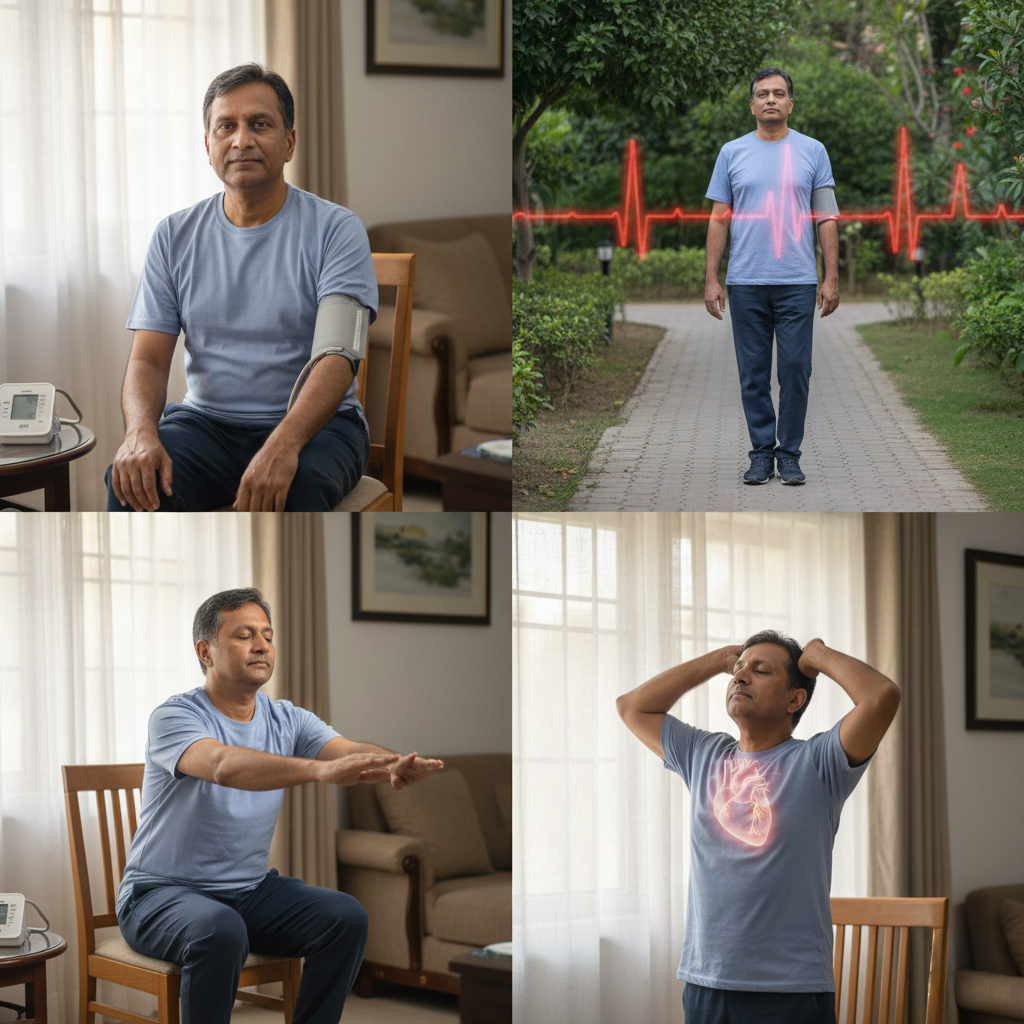
This guide explains how people with high blood pressure can exercise confidently using a practical, science-based approach. Learn the warning signs that should make you stop exercising, discover the safest aerobic and strength-training options, explore the benefits of yoga and breathing exercises, and understand the growing evidence behind isometric handgrip training. Whether you’re a beginner, a senior citizen, or someone returning to exercise after years of inactivity, these strategies can help you build a sustainable routine that protects your heart while lowering your blood pressure.
DETAILED LEARNING GUIDE
Why Exercise Is a Powerful Treatment for High Blood Pressure
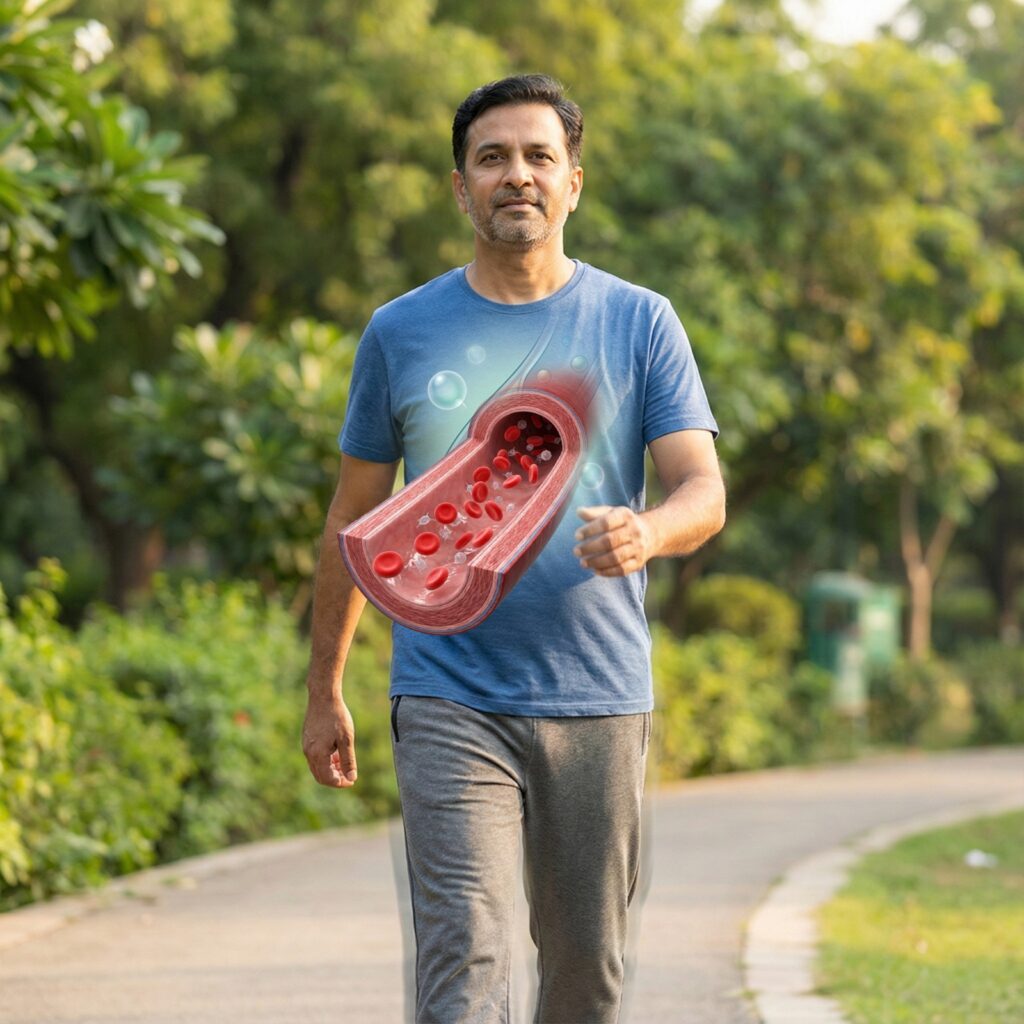
Exercise is often called a natural blood pressure medicine—and for good reason. Regular physical activity improves blood vessel flexibility, strengthens the heart muscle, enhances circulation, and reduces stress hormones that contribute to hypertension.
Research consistently shows that individuals who exercise regularly experience meaningful reductions in blood pressure. The benefits extend beyond numbers on a monitor. Exercise also lowers the risk of heart attacks, strokes, diabetes, obesity, and kidney disease, all of which commonly occur alongside hypertension.
The key is choosing the right type of exercise. While moderate and consistent activity can improve cardiovascular health, excessive strain or inappropriate workouts may temporarily increase blood pressure and place unnecessary stress on the heart. Understanding this balance is the foundation of safe exercise with hypertension.
Recognizing Warning Signs During Exercise
One of the most important aspects of exercising with high blood pressure is knowing when to stop. Your body often provides early warning signs that something is wrong. Ignoring these signals can lead to serious complications.
Symptoms such as dizziness, blurred vision, chest discomfort, unusual shortness of breath, severe headaches, or palpitations should never be dismissed as normal exercise fatigue. These may indicate excessive cardiovascular stress or an underlying heart problem requiring medical attention.
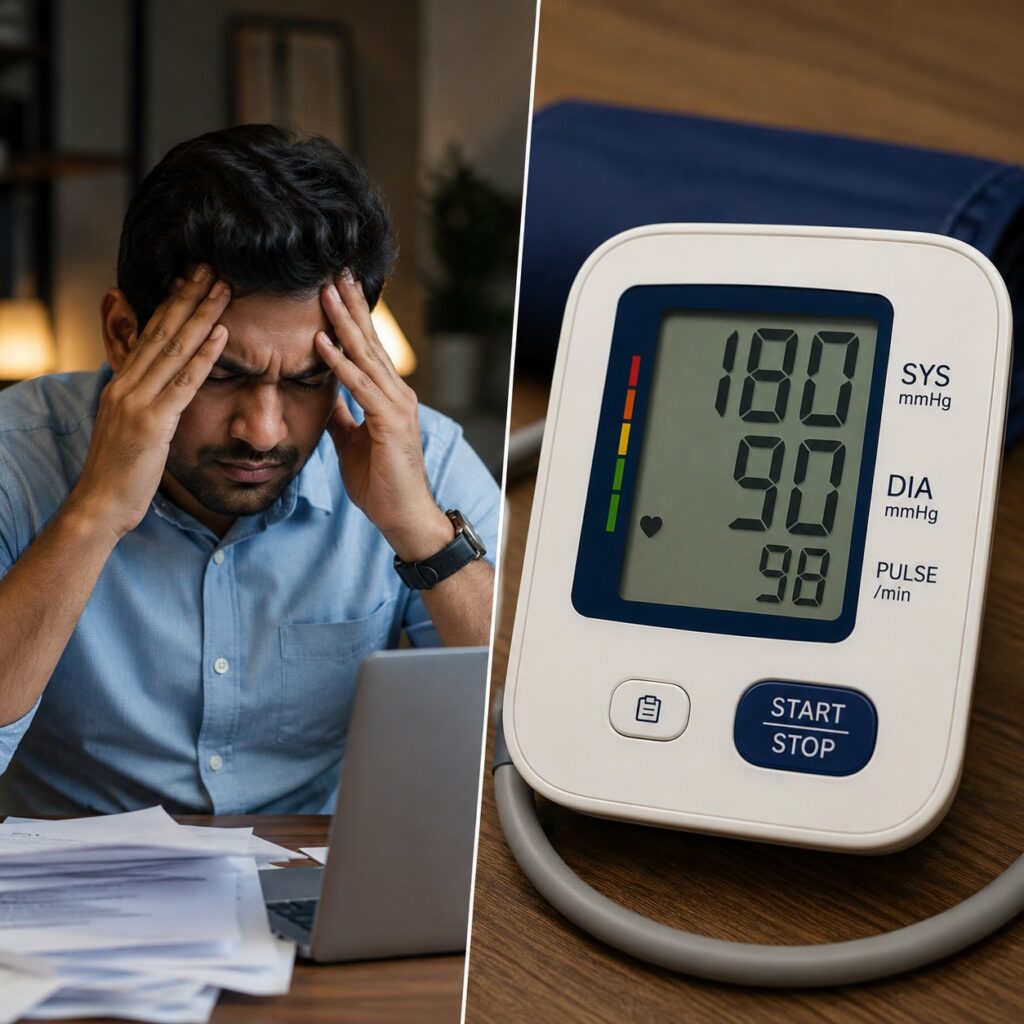
Patients should also avoid exercising if their resting blood pressure is above 180/100 mmHg unless specifically advised otherwise by their physician. Before exercising, pay attention to how you feel. During activity, monitor symptoms carefully. After exercise, allow time for proper cooling down and hydration. Safe exercise is not about pushing through warning signs—it is about respecting them.
Walking: The Foundation of a Blood Pressure Exercise Plan
Walking remains one of the safest, simplest, and most effective exercises for people with hypertension. A brisk walk performed most days of the week can lower systolic blood pressure by approximately 5–8 mmHg while improving overall cardiovascular fitness.
Unlike complex exercise programs, walking requires minimal equipment and can be adapted to almost any fitness level. Most adults should aim for about 30 minutes of brisk walking on five or more days each week. A useful guide is the “talk test”—you should be able to hold a conversation but not comfortably sing.
For beginners, even shorter sessions provide benefits. Starting with 10–15 minutes daily and gradually increasing duration can build confidence and fitness safely. Consistency matters far more than speed or distance.
Cycling and Swimming: Excellent Low-Impact Alternatives
For individuals seeking variety or dealing with joint discomfort, cycling and swimming are excellent options. Both activities provide cardiovascular benefits while placing less stress on the knees, hips, and ankles than high-impact exercises.
Cycling improves heart health and endurance while remaining accessible for many age groups. The focus should be on maintaining a steady pace rather than performing intense sprints or steep hill climbs. Hydration is particularly important when cycling outdoors in India’s warm climate.
Swimming offers unique advantages because the water supports body weight while providing full-body conditioning. Regular swimming sessions can strengthen the heart, improve lung function, and help lower blood pressure. Individuals should avoid sudden exposure to very cold water, which may temporarily increase blood pressure due to blood vessel constriction.
Strength Training: Safe When Done Correctly
Many people mistakenly believe that all weight training is dangerous for high blood pressure. In reality, properly performed strength training can be an important component of a healthy exercise program.
The safest approach involves using lighter weights, performing higher repetitions, and maintaining controlled breathing throughout each movement. Exhaling during effort and inhaling during relaxation prevents excessive blood pressure spikes associated with breath-holding, also known as the Valsalva maneuver.
Strength training improves muscle mass, enhances metabolism, supports weight management, and helps maintain independence as people age. When combined with aerobic exercise, it creates a well-rounded fitness program that benefits both cardiovascular and overall health.
Yoga and Breathing Exercises: Calming the Mind and Arteries
Stress plays a major role in blood pressure control. Yoga and breathing exercises offer a unique opportunity to address both physical and psychological contributors to hypertension.
Gentle yoga postures improve flexibility, balance, posture, and muscular relaxation. Breathing practices such as Anulom Vilom and Bhramari pranayama may help activate the body’s relaxation response, lowering stress hormone levels and promoting healthier blood pressure patterns.
The goal is not extreme flexibility or advanced postures. Instead, focus on gentle movements, mindful breathing, and relaxation. Individuals with hypertension should avoid intense inversions and advanced poses unless specifically guided by qualified instructors familiar with their medical condition.
The Emerging Role of Isometric Handgrip Training
One of the lesser-known but increasingly studied exercise techniques for blood pressure control is isometric handgrip training. This involves squeezing a specialized handgrip device at a moderate intensity for short periods.
Research suggests that performing four sets of two-minute squeezes several times per week may reduce systolic blood pressure by approximately 5–6 mmHg over several weeks. While it should not replace traditional exercise, it can be a useful addition to a broader lifestyle program.
Because handgrip training requires minimal time and equipment, it may be particularly appealing for busy professionals, older adults, or individuals with mobility limitations. As always, discuss any new exercise program with your healthcare provider before beginning.
Building a Sustainable Exercise Routine
The most effective exercise plan is one that you can maintain long term. Avoid viewing exercise as punishment or a short-term project. Instead, think of it as an essential part of daily health maintenance.
Focus on gradual progress rather than perfection. Begin where you are, increase activity levels slowly, and choose exercises you genuinely enjoy. Walking with friends, cycling in the park, joining a yoga class, or swimming regularly can all become sustainable habits.
Remember three principles for hypertension-friendly exercise: avoid excessive strain, avoid sudden bursts of intense activity without preparation, and avoid holding your breath during exertion. Safe, steady, and consistent movement remains one of the most powerful tools available for protecting your heart and lowering blood pressure.
FREQUENTLY ASKED QUESTIONS
What is the safest exercise for high blood pressure?
Brisk walking is generally considered the safest and most effective exercise for most people with hypertension.
Can exercise lower blood pressure without medication?
Exercise can significantly reduce blood pressure, but medication decisions should always be made with your doctor.
Should I stop exercising if I feel dizzy?
Yes. Dizziness, chest pain, severe breathlessness, or palpitations should prompt immediate cessation of exercise and medical evaluation.
Is strength training safe for people with hypertension?
Yes, when performed with lighter weights, higher repetitions, and proper breathing techniques.
Can yoga help lower blood pressure?
Gentle yoga and breathing exercises can help reduce stress and contribute to better blood pressure control.
What is isometric handgrip training?
It is a simple exercise involving sustained squeezing of a handgrip device and has shown promising blood pressure-lowering effects.
Is swimming good for hypertension?
Yes. Swimming provides excellent cardiovascular benefits while being gentle on the joints.
Can I exercise if my BP is above 180/100?
Most individuals should postpone exercise and consult a healthcare professional if blood pressure is that high.
MEDICAL DISCLAIMER
The information provided by HG Cardiowise is intended for educational purposes only and should not be considered medical advice, diagnosis, or treatment. Always consult your doctor or qualified healthcare professional before starting or modifying an exercise program, especially if you have hypertension, heart disease, diabetes, kidney disease, or other medical conditions. Individual health needs vary, and recommendations may not apply to every person. Never ignore professional medical advice or delay seeking treatment because of information you have read on this website.