QUICK SUMMARY
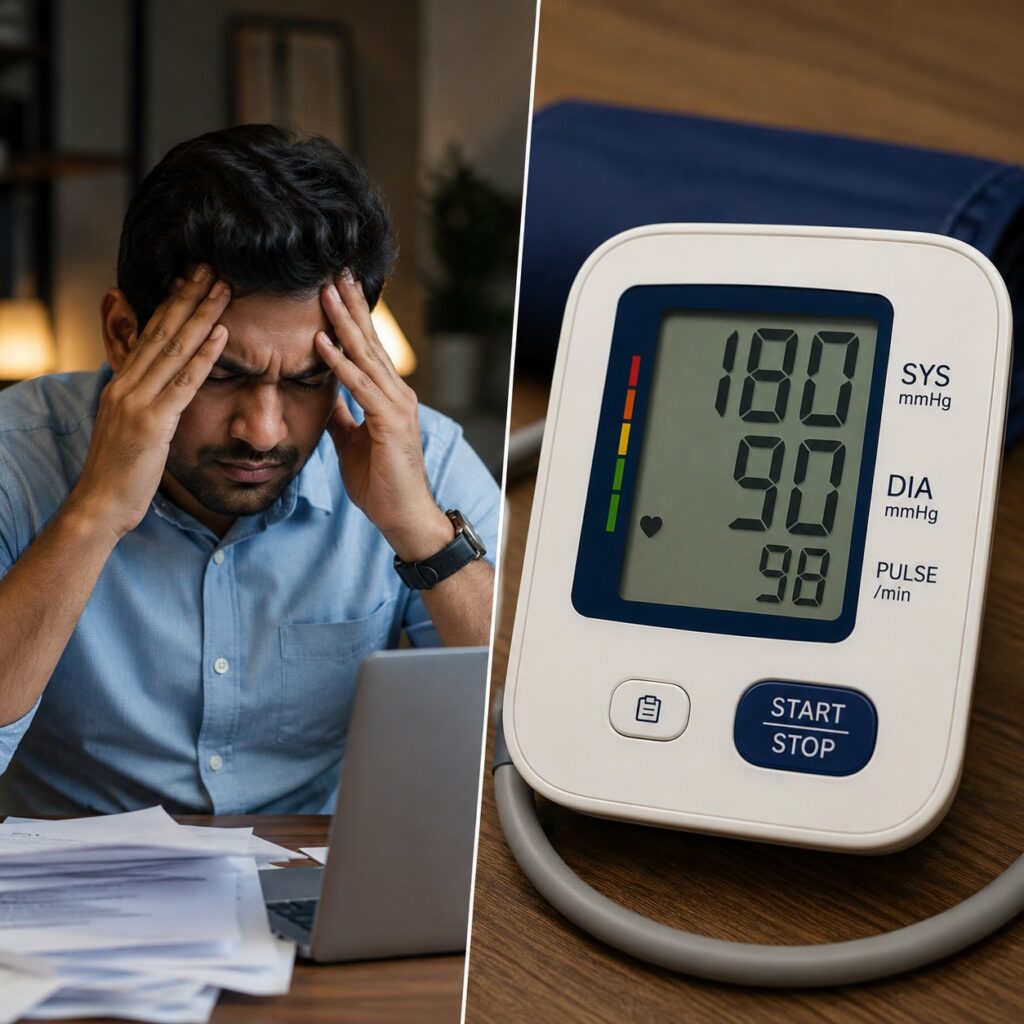
High blood pressure is one of the leading causes of chronic kidney disease, yet many patients worry that the medicines used to treat hypertension may damage their kidneys. In reality, most blood pressure medicines—especially ACE inhibitors and ARBs—help protect kidney function by reducing pressure within the kidney’s delicate filtering system. While a small rise in creatinine may occur after starting certain medications, this is often a normal physiological response rather than kidney injury. The real risks usually come from uncontrolled blood pressure, dehydration, excessive use of painkillers, diabetes, and delayed monitoring. Understanding how blood pressure medicines work, when caution is necessary, and how to monitor kidney health can help patients protect both their heart and kidneys for the long term.
DETAILED LEARNING GUIDE
Understanding the Relationship Between Blood Pressure and Kidney Health
Your kidneys are among the hardest-working organs in the body. Every day, they filter approximately 180 litres of blood, removing waste products, excess fluid, and toxins. To perform this task efficiently, they rely on a network of tiny blood vessels and filtering units called glomeruli.
When blood pressure remains elevated for months or years, excessive force is transmitted to these delicate structures. Over time, the filtering units become damaged and scarred, reducing the kidneys’ ability to perform their job effectively. This damage often develops silently, without symptoms in the early stages.
The relationship works both ways. As kidney function declines, the kidneys activate hormonal systems that can further increase blood pressure. This creates a vicious cycle where hypertension damages the kidneys, and kidney disease worsens hypertension. Breaking this cycle early is one of the most important goals of treatment.
The Common Myth: Do BP Medicines Cause Kidney Damage?
One of the most common concerns among patients is that long-term use of blood pressure medicines may lead to kidney failure. This misconception often arises when patients notice changes in blood test results after starting treatment.
Certain medications, particularly ACE inhibitors and ARBs, can cause a mild increase in creatinine levels shortly after initiation. This often alarms patients and family members, leading them to believe the medicine is harming the kidneys.
In most cases, however, this small rise reflects a beneficial adjustment in kidney blood flow rather than injury. These medications reduce excessive pressure inside the kidney’s filtering units, helping preserve kidney function over many years.
Large clinical studies have consistently shown that these medications reduce kidney damage in patients with hypertension, diabetes, and chronic kidney disease. Rather than causing kidney failure, they are frequently prescribed specifically to prevent it.
Which Blood Pressure Medicines Help Protect the Kidneys?
Not all blood pressure medications work in the same way, but several classes offer significant kidney protection.
ACE inhibitors and ARBs are considered cornerstone therapies for many patients with hypertension, diabetes, and protein leakage in the urine. By reducing pressure within the kidney filters, they slow long-term kidney damage and reduce protein loss.
Calcium channel blockers such as amlodipine and cilnidipine help relax blood vessels and improve blood flow. They are often combined with ARBs or ACE inhibitors to provide more effective blood pressure control.
Diuretics help remove excess salt and fluid from the body, reducing blood pressure and easing the workload on the kidneys. Beta blockers and alpha blockers may also play important roles in selected patients, particularly those with heart disease or resistant hypertension.
The best medication plan depends on an individual’s overall health, kidney function, age, and associated medical conditions.
Why a Small Increase in Creatinine May Be Normal
Many patients become anxious when they see a slightly higher creatinine value after starting a new blood pressure medicine. Understanding the reason behind this change can prevent unnecessary worry.
ACE inhibitors and ARBs alter blood flow within the kidneys. By reducing pressure inside the glomeruli, they temporarily decrease filtration pressure. This can lead to a small rise in creatinine levels, usually within the first few weeks of treatment.
For most patients, an increase of up to approximately 30% may be acceptable and expected, provided kidney function stabilizes afterward. Doctors carefully monitor laboratory values to ensure the kidneys are adapting appropriately.
What matters most is the long-term outcome. Lower filtration pressure protects the kidney filters from ongoing damage, helping preserve kidney function for years to come.
Situations Where Extra Caution Is Needed
Although blood pressure medicines are generally safe, certain situations require closer monitoring.
Patients with advanced chronic kidney disease may need dose adjustments and more frequent laboratory testing. A sudden and significant rise in creatinine, worsening swelling, reduced urine output, or elevated potassium levels should always be evaluated promptly.
One particularly important risk involves the combination of blood pressure medicines, dehydration, and frequent use of painkillers such as ibuprofen, diclofenac, or naproxen. These medications can reduce blood flow to the kidneys and increase the likelihood of acute kidney injury, especially during hot weather or illness.
Rather than stopping medicines independently, patients should seek medical advice whenever concerns arise. Careful adjustments are usually more effective than abrupt discontinuation.
How to Protect Your Kidneys While Taking BP Medicines
Protecting your kidneys involves more than simply taking prescribed medicines. Healthy daily habits play an equally important role.
Adequate hydration helps maintain stable blood flow to the kidneys and supports normal kidney function. Most adults benefit from regular fluid intake unless specific medical conditions require fluid restriction.
Managing diabetes and cholesterol is equally important because both conditions can damage kidney blood vessels. Regular exercise, a balanced diet, and maintaining a healthy weight further reduce kidney and cardiovascular risk.
Patients taking long-term blood pressure treatment should undergo periodic monitoring, including creatinine, eGFR, potassium, and urine protein testing. These simple tests can identify problems early, allowing timely intervention before serious complications develop.
Most importantly, medications should never be stopped or adjusted without professional guidance.
The Bottom Line
The fear that blood pressure medicines damage the kidneys is one of the most persistent myths in healthcare. In reality, uncontrolled hypertension is far more dangerous to kidney health than the medicines used to treat it.
Many commonly prescribed blood pressure medications actively protect the kidneys by reducing stress on the filtering system and slowing disease progression. While some medications require monitoring and occasional dose adjustments, their long-term benefits are well established.
The best strategy is simple: control blood pressure, stay hydrated, avoid unnecessary painkillers, monitor kidney function regularly, and follow your doctor’s advice. These steps can help preserve both heart and kidney health for years to come.
FREQUENTLY ASKED QUESTIONS
Can BP medicines cause kidney failure?
No. Most blood pressure medicines do not cause kidney failure. In fact, many help protect the kidneys from long-term damage caused by hypertension.
Why did my creatinine increase after starting a BP tablet?
A small increase in creatinine can occur with ACE inhibitors and ARBs. This is often a normal adjustment in kidney blood flow and does not necessarily indicate damage.
Which BP medicines are best for kidney protection?
ACE inhibitors and ARBs are among the most effective kidney-protective medications, especially for people with diabetes, protein in the urine, or chronic kidney disease.
Should I stop my medicine if my kidney test changes?
No. Never stop medications without consulting your doctor. Your physician can determine whether the change is expected or requires adjustment.
Can dehydration affect kidney function while on BP medicines?
Yes. Dehydration can reduce kidney blood flow and increase the risk of kidney injury, particularly when combined with certain medications.
Are painkillers harmful to the kidneys?
Frequent use of NSAID painkillers such as ibuprofen and diclofenac can increase the risk of kidney damage, especially in people with hypertension or kidney disease.
How often should kidney tests be checked?
Most patients on long-term blood pressure treatment should have kidney function and electrolyte tests checked at least every 6–12 months, or more frequently if advised by their doctor.
MEDICAL DISCLAIMER
The information provided by HG Cardiowise is intended for educational purposes only and should not be considered medical advice, diagnosis, or treatment. Individual health conditions vary, and treatment decisions should always be made in consultation with a qualified healthcare professional. Never start, stop, or modify any medication without discussing it with your doctor. If you experience concerning symptoms or a medical emergency, seek immediate medical attention.