What Is Normal Blood Pressure?

10 Min
Dr. Ameya Amonkar
Cholesterol

Key Takeaways

Blood pressure guidelines provide ranges, but ideal targets vary between individuals.
Cardiovascular risk begins to increase even before blood pressure reaches 140/90 mmHg.
The same blood pressure reading can have very different implications for different people.
Diabetes, kidney disease, heart disease, age, and family history influence BP goals.
Low blood pressure is not dangerous if it does not cause symptoms.

QUICK SUMMARY
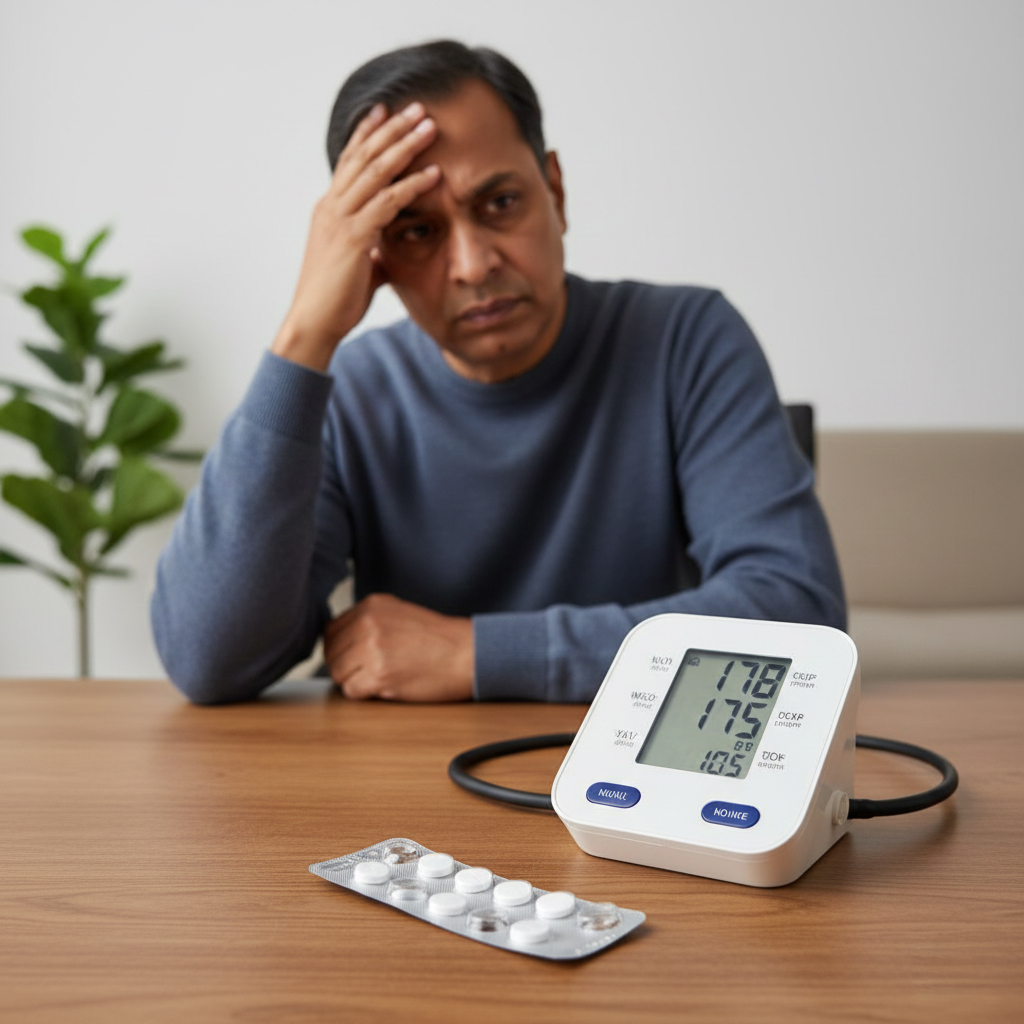
Blood pressure is often reduced to a simple number, but the reality is much more complex. While medical guidelines provide useful ranges for normal and high blood pressure, your ideal blood pressure depends on factors such as age, diabetes, kidney health, heart disease, family history, and overall cardiovascular risk.

Research shows that cardiovascular risk begins to increase even before blood pressure reaches traditional hypertension thresholds. At the same time, lower blood pressure is not always better, especially if it causes symptoms such as dizziness or fatigue.

Rather than focusing solely on a single reading, healthcare professionals increasingly use a risk-based approach that considers the whole person, not just the number on the monitor. Understanding your individual blood pressure target can help you take the right steps to protect your heart, brain, kidneys, and long-term health.
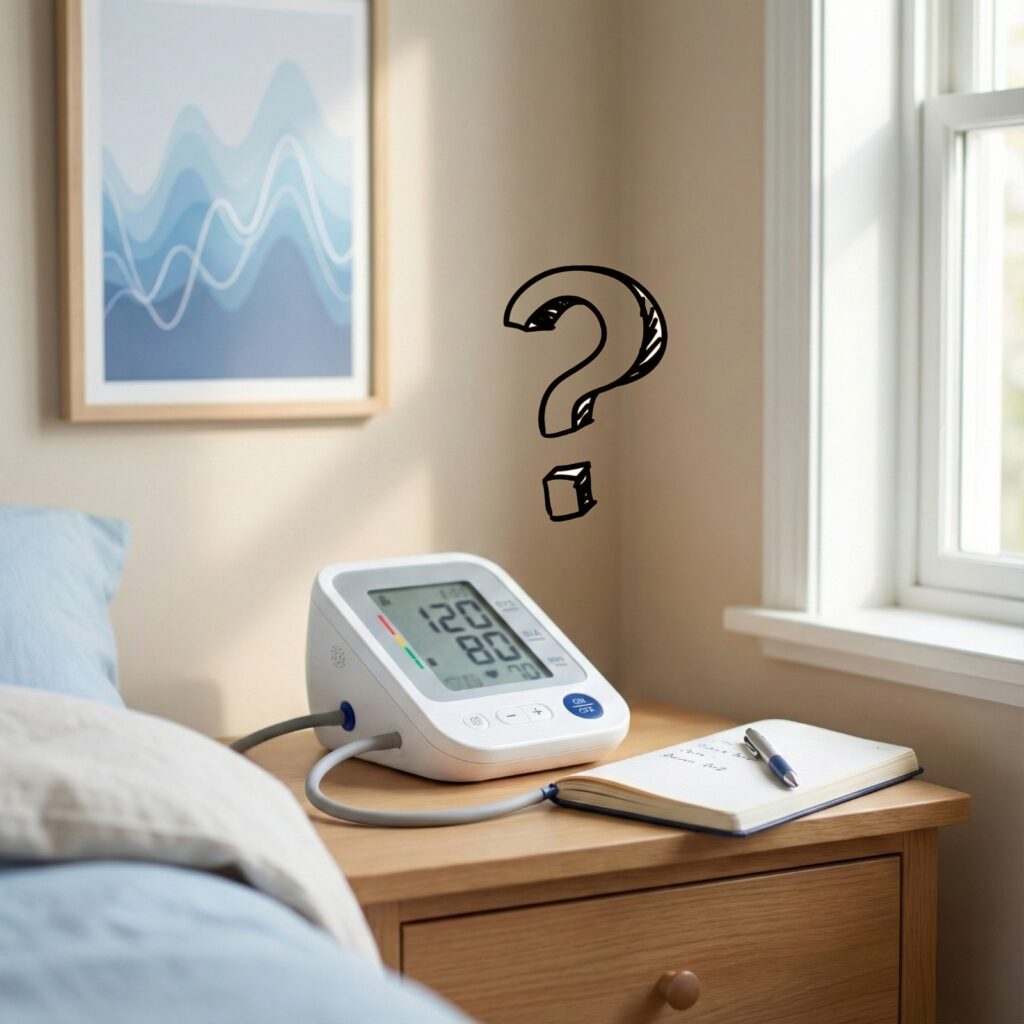

DETAILED LEARNING GUIDE

Understanding Blood Pressure: What Do the Numbers Mean?
Blood pressure measures the force exerted by blood against the walls of your arteries. It is recorded as two numbers: systolic pressure (the top number) and diastolic pressure (the bottom number).

According to current Indian hypertension guidelines:

  • Optimal BP: Less than 120/80 mmHg
  • Normal BP: 120–129 systolic and 80–84 diastolic
  • High Normal (Prehypertension): 130–139 systolic and 85–89 diastolic
  • Stage 1 Hypertension: 140–159 systolic and 90–99 diastolic
  • Stage 2 Hypertension: Above 160 systolic and 100 diastolic

These categories help doctors assess risk and guide treatment. However, they should not be viewed as rigid labels. A blood pressure reading represents only one part of a person’s cardiovascular health profile.

Understanding these ranges is important, but understanding what they mean for you is even more important.

Why Different Guidelines Sometimes Disagree
Many people become confused when they compare Indian, European, and American blood pressure guidelines.

For example, some international guidelines classify blood pressure above 130/80 mmHg as Stage 1 hypertension, while Indian guidelines often use 140/90 mmHg as the threshold for diagnosing hypertension.

This does not mean one guideline is right and another is wrong. Guidelines are developed using population-level research and are designed to help healthcare systems make decisions for large groups of people.

However, medical guidelines cannot account for every individual’s health status, risk profile, lifestyle, and medical history. This is why doctors often personalize recommendations rather than relying solely on guideline numbers.

The most important question is not, “Which guideline should I follow?” but rather, “What blood pressure target is best for my health risks?”

Why Your “Normal” Blood Pressure May Be Different From Someone Else’s
There is no single blood pressure value that is perfect for everyone.

A 65-year-old man with diabetes, smoking history, and heart disease carries a very different cardiovascular risk compared to a healthy 35-year-old with no medical conditions—even if both have a blood pressure reading of 134/84 mmHg.

The same number can represent very different levels of risk.

Several factors influence your ideal blood pressure target:

  • Age
  • Diabetes
  • Kidney disease
  • Previous heart attack or stroke
  • Obesity
  • Sleep apnea
  • Smoking history
  • Family history of cardiovascular disease

Modern hypertension management focuses on treating the person rather than treating the number. This personalized approach helps doctors identify patients who would benefit from earlier intervention while avoiding unnecessary medication in lower-risk individuals.

Cardiovascular Risk Starts Earlier Than Most People Think
A common misconception is that blood pressure becomes dangerous only after it crosses 140/90 mmHg.

Large cardiovascular studies have shown that risk begins to increase much earlier.

Research from long-term population studies demonstrates that cardiovascular risk starts rising from approximately 115/75 mmHg. The increase is gradual rather than sudden. Every increase in blood pressure adds stress to the arteries, heart, brain, and kidneys over time.

For many individuals, especially those with diabetes, high cholesterol, or multiple risk factors, even mildly elevated blood pressure may contribute to early blood vessel damage.

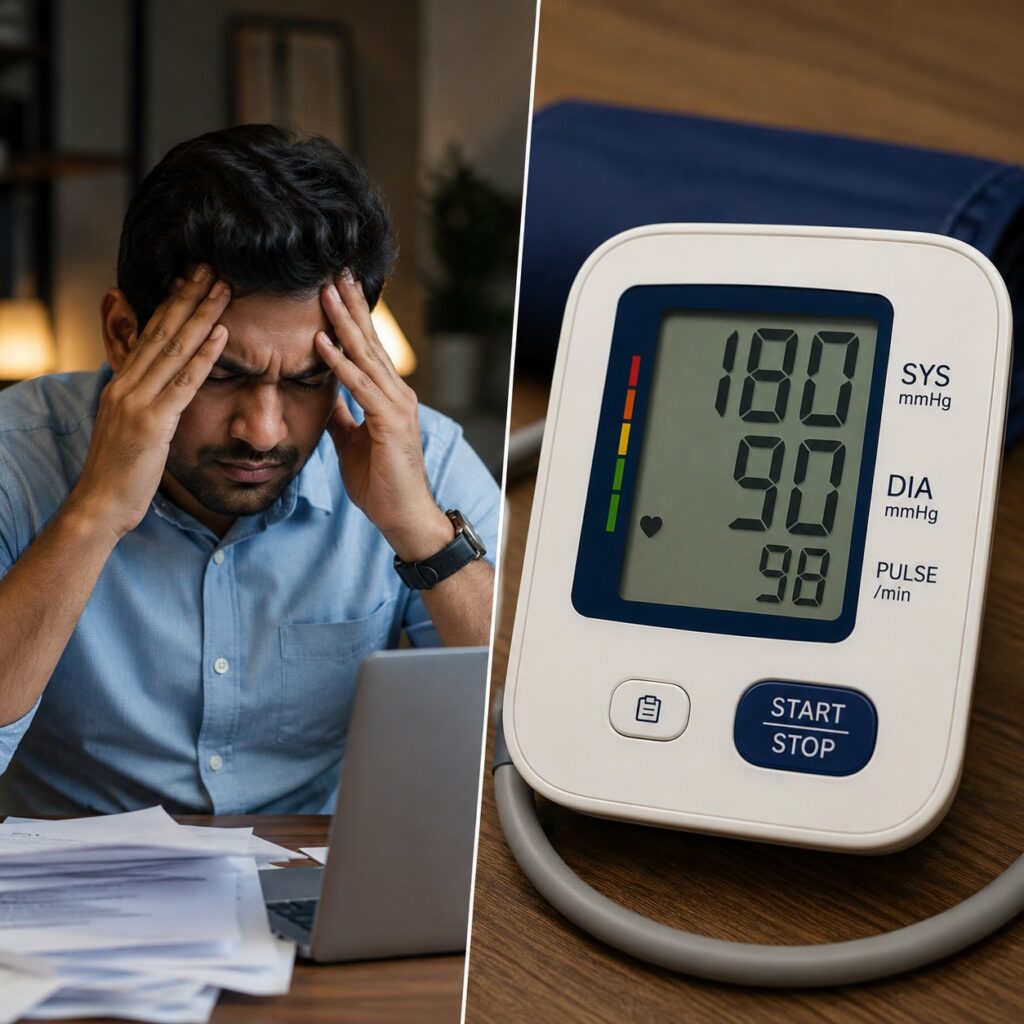
High blood pressure rarely causes symptoms in its early stages. This is why it is often called the “silent killer.” The absence of symptoms should never be mistaken for the absence of risk.

Is Lower Blood Pressure Always Better?
Many people worry when they see readings such as 95/60 mmHg or 100/65 mmHg.

In reality, low blood pressure is not automatically dangerous.

If a person feels energetic, alert, and symptom-free, a naturally lower blood pressure may simply be normal for them. Athletes and physically active individuals often have lower blood pressure without any health concerns.

The situation changes when low blood pressure causes symptoms such as:

  • Dizziness
  • Fainting
  • Fatigue
  • Blurred vision
  • Brain fog
  • Frequent blackouts

When symptoms occur, healthcare providers investigate possible causes such as dehydration, medication side effects, heart rhythm abnormalities, or nervous system disorders.

The goal is not to achieve the lowest possible blood pressure. The goal is to maintain adequate blood flow to vital organs while minimizing long-term cardiovascular risk.

How Doctors Determine Your Ideal Blood Pressure Goal
Personalized blood pressure targets are becoming increasingly important in modern cardiology.

People who have the following risk factors often benefit from stricter blood pressure control:

  • Age above 60 years
  • Diabetes
  • Chronic kidney disease
  • Previous heart attack
  • Coronary stents or bypass surgery
  • Strong family history of heart disease
  • Obesity or excess abdominal fat
  • Sedentary lifestyle

For these individuals, a blood pressure reading that appears only mildly elevated may still increase the risk of heart attack, stroke, kidney disease, or heart failure.

On the other hand, younger and healthier individuals with no major risk factors may initially focus on lifestyle improvements rather than medication.

The best blood pressure target is one that reflects your personal risk profile, not someone else’s reading.

The Importance of Looking Beyond a Single Reading
Blood pressure changes throughout the day. Stress, physical activity, sleep, caffeine, emotions, posture, and even the environment can influence readings.

This means a single blood pressure measurement rarely tells the complete story.

Doctors often recommend:

  • Regular home BP monitoring
  • Multiple readings over time
  • Proper measurement technique
  • Risk assessment based on overall cardiovascular health

Instead of asking, “Is this reading normal?” consider asking, “Is this reading appropriate for my health risks?”

That shift in perspective can make a significant difference in long-term heart health and disease prevention.

FREQUENTLY ASKED QUESTIONS

Is 130/80 mmHg considered high blood pressure?
It depends on the guideline being used and your individual risk factors. For some people, especially those with diabetes or cardiovascular disease, 130/80 may warrant closer monitoring and lifestyle intervention.

Can I have high blood pressure without symptoms?
Yes. Most people with hypertension feel completely normal, which is why regular blood pressure checks are essential.

Is 140/90 mmHg always dangerous?
Not necessarily. However, repeated readings at or above this level usually require medical evaluation and often treatment.

Should everyone aim for 120/80 mmHg?
No. Blood pressure targets should be individualized based on age, medical conditions, and overall cardiovascular risk.

Is low blood pressure harmful?
Low blood pressure is usually harmless if it does not cause symptoms such as dizziness, fainting, or fatigue.

Can lifestyle changes lower blood pressure?
Yes. Weight loss, regular exercise, reduced salt intake, stress management, better sleep, and avoiding tobacco can significantly improve blood pressure.

How often should I check my blood pressure?
People with hypertension or risk factors should follow their doctor’s recommendations. Home monitoring is often useful for tracking trends over time.

Why does my blood pressure vary between home and clinic?
Stress, anxiety, activity levels, measurement technique, and timing can all influence readings. Multiple measurements provide a more accurate picture than a single reading.

MEDICAL DISCLAIMER
The information provided by HG Cardiowise is intended for educational purposes only and should not be considered medical advice, diagnosis, or treatment. Blood pressure targets and treatment decisions should always be individualized based on your health status, medical history, and risk factors. Please consult a qualified healthcare professional before making any changes to your medications, lifestyle, or treatment plan. If you experience symptoms such as chest pain, severe headache, fainting, or difficulty breathing, seek immediate medical attention.

Downloadable Resource

Blood Pressure Quick Guide

8 Pages-PDF
A quick reference guide covering key information from this video and more.

Who Should Watch This Video?

Adults with recently elevated blood pressure readings
Individuals diagnosed with hypertension
People with diabetes
Patients with kidney disease

Related Videos

New videos every week!

Subscribe to get heart health tips and new videos straight to your inbox.

✉ Subscribe Now

New to Cardiowise?

Start your journey to a healthier heart with trusted videos, expert tips and practical guidance.

▷ Explore Now
Scroll to Top