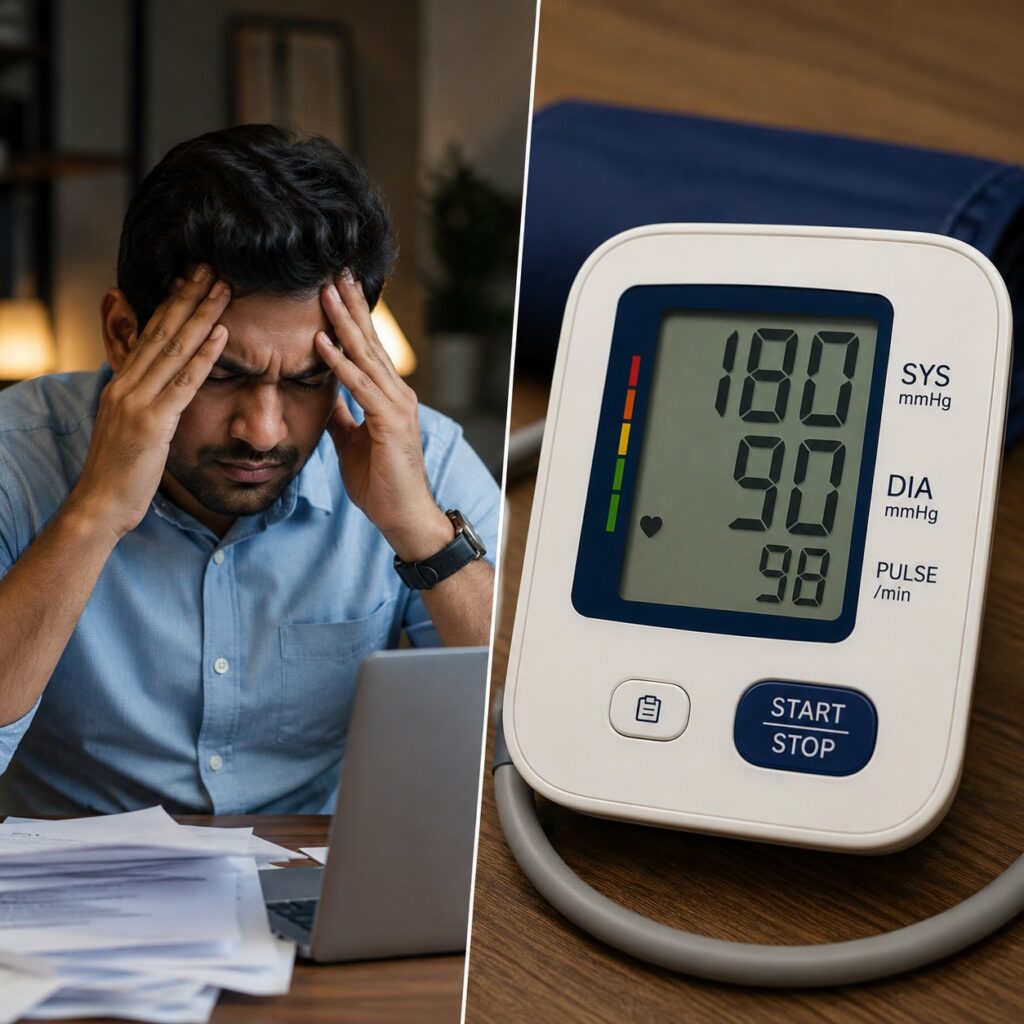
Can Exercise Lower Cholesterol?

Dr. Ameya Amonkar
Hypertension

Key Takeaways

Regular exercise raises HDL ("good") cholesterol and significantly lowers triglycerides.

Walking, cycling, swimming, dancing, and resistance training are all excellent choices for improving heart health.
Consistency matters far more than intensity. Small daily efforts produce long-term cardiovascular benefits.

Even people with knee arthritis or limited mobility can improve cholesterol through low-impact exercise.
Exercise works best when combined with a heart-healthy diet, weight management, and good sleep.
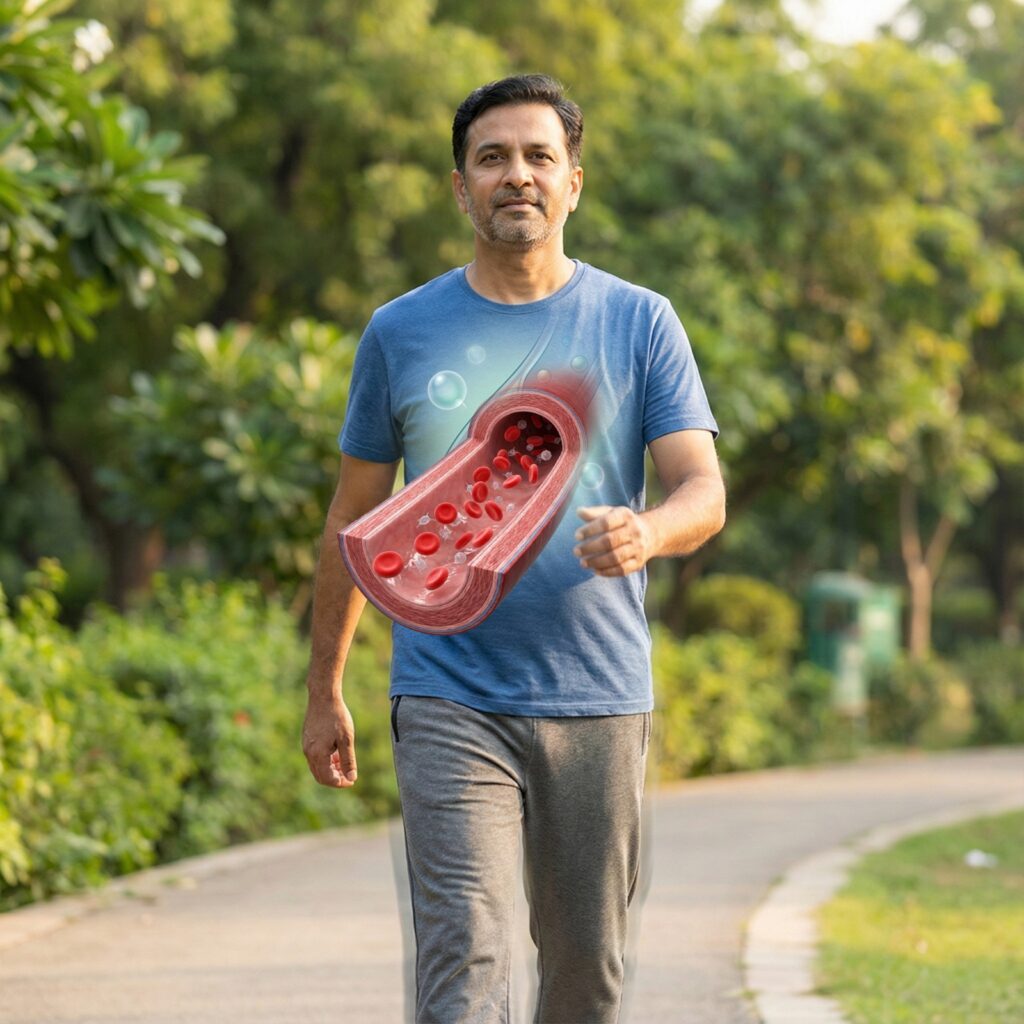
QUICK SUMMARY
Exercise is one of the most effective lifestyle tools for improving cholesterol and protecting your heart. While it may not dramatically lower LDL (“bad”) cholesterol in everyone, regular physical activity raises HDL (“good”) cholesterol, significantly reduces triglycerides, improves the quality of LDL particles, and lowers overall cardiovascular risk. The greatest benefits come from combining aerobic exercise, strength training, and staying active throughout the day. You do not need expensive gym memberships or intense workouts—even brisk walking, cycling, swimming, dancing, gardening, and household activities can make a meaningful difference. This guide explains how exercise affects cholesterol, the ideal amount of weekly physical activity, age-specific recommendations, beginner-friendly exercise plans, and practical strategies to help you build an exercise routine that lasts for life.

DETAILED LEARNING GUIDE

How Does Exercise Improve Cholesterol?
Many people assume exercise simply “burns fat,” but its effects on cholesterol are much more sophisticated. Regular physical activity increases HDL cholesterol, often called the “good” cholesterol because it helps transport excess cholesterol away from artery walls back to the liver for disposal. Although HDL typically rises by only 5–10%, this improvement has important protective effects.

Exercise also has a powerful impact on triglycerides, reducing them by approximately 15–30% when performed consistently. Elevated triglycerides are closely linked to obesity, diabetes, and metabolic syndrome, making exercise especially valuable for these conditions.

Interestingly, LDL cholesterol may not decrease dramatically with exercise alone. However, exercise changes LDL particles from small, dense particles—which are more likely to penetrate artery walls—to larger, less harmful particles. Combined with improvements in blood pressure, inflammation, insulin sensitivity, and body weight, these changes substantially reduce the risk of heart attack and stroke.

Which Types of Exercise Are Best for Lowering Cholesterol?
The most effective exercise program includes a combination of aerobic activity, resistance training, and flexibility exercises.

Aerobic exercise remains the cornerstone of cholesterol management. Brisk walking, jogging, cycling, swimming, dancing, and recreational sports improve heart and lung fitness while helping reduce triglycerides and raise HDL cholesterol. Walking is particularly practical because it requires no special equipment and is suitable for most age groups.

Strength training is equally important. Resistance exercises using free weights, resistance bands, machines, or body weight help build muscle, preserve bone strength, increase metabolism, and may contribute to modest reductions in LDL cholesterol. Two sessions per week targeting all major muscle groups are recommended.

Yoga and stretching may not directly lower cholesterol, but they reduce stress, improve flexibility, encourage regular physical activity, and support long-term adherence to exercise routines. For many individuals, combining all three forms of exercise provides the greatest cardiovascular benefit.

How Much Exercise Do You Really Need?
International and Indian physical activity recommendations advise adults to accumulate at least 150 minutes of moderate-intensity aerobic activity each week or 75 minutes of vigorous-intensity exercise.

Moderate-intensity exercise includes brisk walking, recreational cycling, swimming, dancing, or similar activities where breathing becomes faster, sweating begins, but conversation remains possible. Vigorous exercise includes running, high-intensity interval training (HIIT), competitive sports, and faster cycling.

These weekly targets do not have to be completed in long sessions. Even 10- to 15-minute bouts spread throughout the day contribute toward the total.

Alongside structured exercise, increasing everyday movement—known as Non-Exercise Activity Thermogenesis (NEAT)—also supports heart health. Walking during phone calls, taking the stairs, gardening, household chores, and standing more frequently throughout the day all increase daily energy expenditure and complement formal workouts.

Choosing the Right Exercise for Your Age and Fitness Level
Exercise should be personalised rather than following a one-size-fits-all approach.

Adults in their 20s and 30s often tolerate higher-intensity workouts such as running, gym-based strength training, HIIT, or sports. During the 40s and 50s, many people benefit from combining brisk walking, cycling, swimming, moderate resistance training, and yoga to balance cardiovascular fitness with joint health.

Older adults should focus on maintaining mobility, strength, balance, and endurance. Walking, chair exercises, resistance-band workouts, gentle yoga, tai chi, and water-based exercise are excellent options. Individuals with arthritis or chronic knee pain often find pool exercises and stationary cycling particularly comfortable because they minimise stress on joints while still providing meaningful cardiovascular benefits.

The best exercise is always one that is enjoyable, sustainable, and suited to your current health status.

A Practical Exercise Plan for Beginners
Starting an exercise routine can feel overwhelming, especially after years of inactivity. Fortunately, meaningful improvements do not require dramatic changes.

Begin by walking for 10–15 minutes after meals several days each week. Add five minutes every week until you comfortably achieve 30 minutes of brisk walking on most days. Incorporating light stretching or yoga helps improve flexibility and reduces stiffness.

Once walking becomes a habit, introduce simple strength exercises twice weekly using resistance bands, body-weight squats, wall push-ups, or light dumbbells. As confidence grows, cycling, swimming, dancing, or recreational sports can make exercise more enjoyable while increasing cardiovascular fitness.

Habit formation is more important than perfection. Choosing activities you genuinely enjoy greatly increases the likelihood that exercise becomes a lifelong routine rather than a short-term effort.

Tracking Progress and Staying Motivated
Unlike medications, exercise produces gradual improvements that accumulate over weeks and months. Most people begin to see measurable improvements in triglycerides, HDL cholesterol, weight, and fitness after approximately 6–12 weeks of consistent physical activity.

Repeating a lipid profile after two to three months allows you and your healthcare provider to assess progress. Monitoring heart rate during exercise, using a fitness tracker, or simply recording daily activity can also provide motivation.

Remember that exercise is only one component of cholesterol management. Combining regular physical activity with a heart-healthy diet, adequate sleep, weight control, and smoking cessation produces the greatest reduction in cardiovascular risk.

The goal is not simply burning calories—it is building a healthier heart that will serve you for decades to come.

FREQUENTLY ASKED QUESTIONS

Can exercise lower cholesterol without medication?
For many people with mildly elevated cholesterol, regular exercise combined with healthy eating and weight management can significantly improve cholesterol levels. However, some individuals still require cholesterol-lowering medication because of genetics or existing cardiovascular disease.

Which exercise lowers cholesterol the fastest?
Aerobic exercises such as brisk walking, cycling, jogging, swimming, and dancing have the strongest evidence for improving HDL cholesterol and lowering triglycerides. Combining these with strength training provides additional benefits.

How long does it take to see improvement?
Most people begin to see measurable improvements in cholesterol after 6–12 weeks of regular exercise, provided they remain consistent.

Is walking enough to improve cholesterol?
Yes. Brisk walking for at least 30 minutes on most days of the week is one of the simplest and most effective ways to improve cholesterol and overall heart health.

Can people with knee arthritis still exercise?
Absolutely. Low-impact activities such as swimming, water aerobics, stationary cycling, chair exercises, and resistance-band training are excellent options for protecting joints while improving cardiovascular health.

Does strength training help cholesterol?
Yes. Resistance training supports modest reductions in LDL cholesterol, improves metabolism, preserves muscle mass, and complements aerobic exercise.

Can I divide exercise into shorter sessions?
Yes. Three 10-minute sessions provide similar health benefits to one continuous 30-minute workout if the overall weekly exercise target is achieved.

Is exercise alone enough for heart protection?
Exercise is a powerful tool, but it works best alongside a healthy diet, good sleep, maintaining a healthy weight, avoiding tobacco, and managing blood pressure and diabetes.

MEDICAL DISCLAIMER
This educational content is intended for informational purposes only and should not replace professional medical advice, diagnosis, or treatment. Exercise recommendations should be individualised based on your age, fitness level, medical conditions, and medications. If you have known heart disease, uncontrolled blood pressure, diabetes, chest pain, dizziness, or other significant health concerns, consult your physician before beginning a new exercise programme. Never ignore professional medical advice because of information you have read on this website.

Downloadable Resource

Your Heart-Healthy Exercise Starter Guide

8 Pages-PDF
Download our practical guide covering weekly exercise targets, heart rate zones, beginner-friendly workout plans, and simple ways to stay active for lifelong heart health.

Who Should Watch This Video?

Individuals recently diagnosed with high triglycerides

Anyone looking to reduce heart disease risk naturally

Beginners starting an exercise programme

Families interested in preventing future cardiovascular disease
Related Videos

New videos every week!

Subscribe to get heart health tips and new videos straight to your inbox.

✉ Subscribe Now

New to Cardiowise?

Start your journey to a healthier heart with trusted videos, expert tips and practical guidance.

▷ Explore Now
Scroll to Top